Debt Snowball vs Debt Avalanche
Compare snowball and avalanche payoff methods, including interest cost, behavior, motivation, and cash-flow pressure.
Read guideTest whether you understand payoff priority, APR pressure, debt-to-income ratio, consolidation risk, and why behavior matters as much as math.
This page is not just a keyword page. The question mix is organized around measurable subtopics so learners can identify which area needs review.
Answer 25 questions. Your score shows whether you understand payoff ordering, refinancing tradeoffs, DTI, and default warning signs.
One quiz gives a score. A cluster gives a learning map. Move from personal-finance basics into bachelor-level finance and calculation-heavy scenarios, then use the explanations to spot weak areas.
82 applied calculation questions on NPV, WACC, CAPM, bonds, ratios, options, FX, margin, and valuation.
Corporate finance, investments, capital budgeting, portfolio risk, derivatives, and financial statement interpretation.
Payment history, utilization, inquiries, credit reports, disputes, and practical borrowing habits.
Cash reserve sizing, access, job-risk, deductibles, debt pressure, and refill discipline.
These finance pages are written as learning and practice material. They avoid personal recommendations, show explanations after answers, and separate general education from financial, tax, legal, or investment advice.
AlgoSpecial educational content team, maintained for site accuracy, formatting, and quiz logic.
Formula meaning, answer-key consistency, plain-language explanations, mobile usability, and no collection of sensitive financial data.
September 4, 2026. Finance rules can change, so official sources should be checked before real decisions.
These supporting guides give this quiz a stronger content cluster and help you review the exact ideas behind the questions.
Compare snowball and avalanche payoff methods, including interest cost, behavior, motivation, and cash-flow pressure.
Read guideA practical guide to the budgeting mistakes that quietly break monthly cash flow, savings goals, and debt payoff plans.
Read guideUnderstand why revolving balances, limits, statement timing, and reported utilization can change credit-score outcomes.
Read guideDebt payoff is not only about making extra payments. The right plan depends on APR, balance size, minimum payments, cash flow, and behavior.
Highest-rate debt usually costs the most mathematically, so it often deserves priority.
Small-balance wins can help some people stay consistent.
Lower payment is not enough if total cost rises or spending habits continue.
Avalanche can reduce interest cost, while snowball can improve motivation. The better method is the one you can execute consistently.
No. It replaces or combines debts. It only helps if total cost and behavior improve.
Debt-to-income ratio helps lenders judge whether monthly obligations are manageable.
Most visitors arrive with one question: build, test, price, or trust. These shortcuts keep the path practical.
Hand-picked engineering articles, indicator breakdowns and trading-system tools so visitors keep exploring instead of leaving after one page.
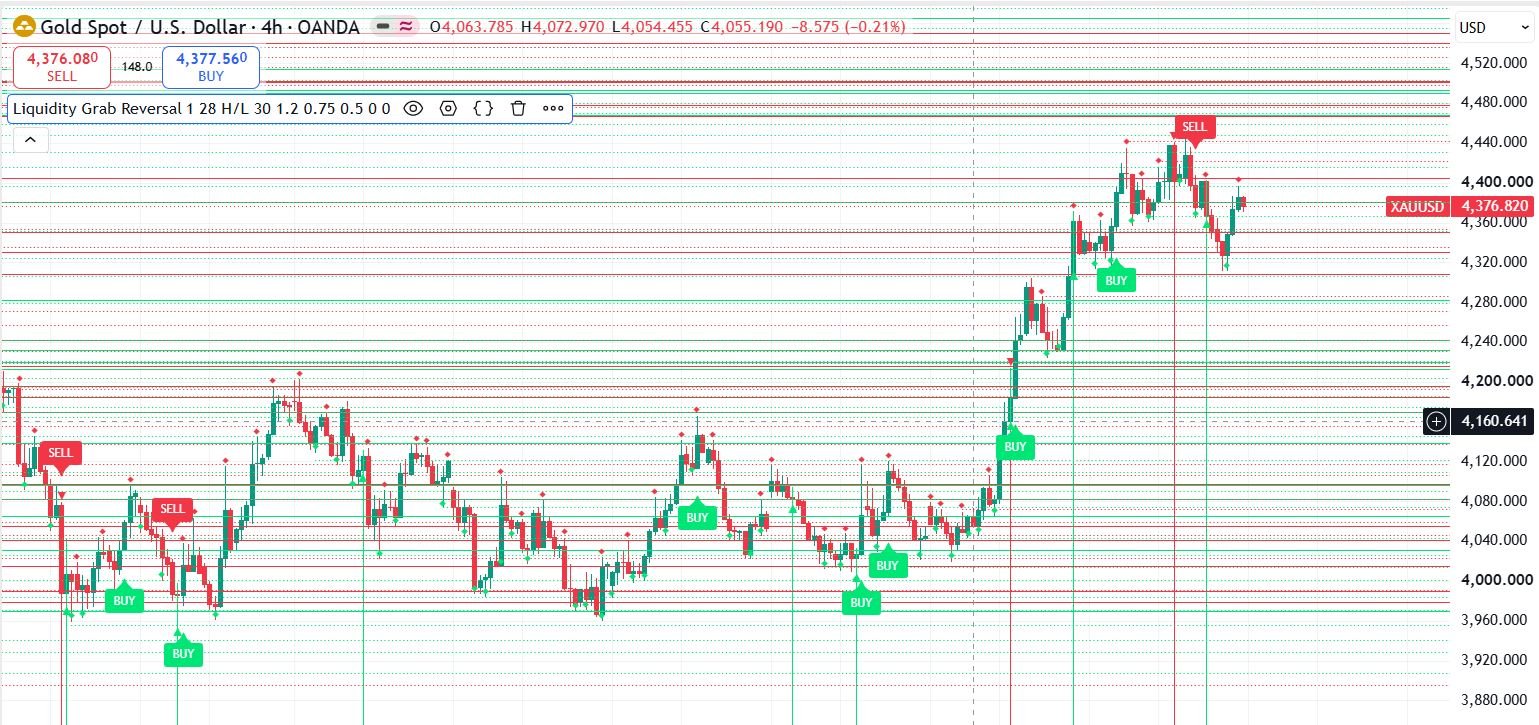
Analyze Pine strategies, repainting risk, TradingView alert bridges, MTF synchronization and the correct MQL4/MQL5 build path before paying for conversion.
Open planner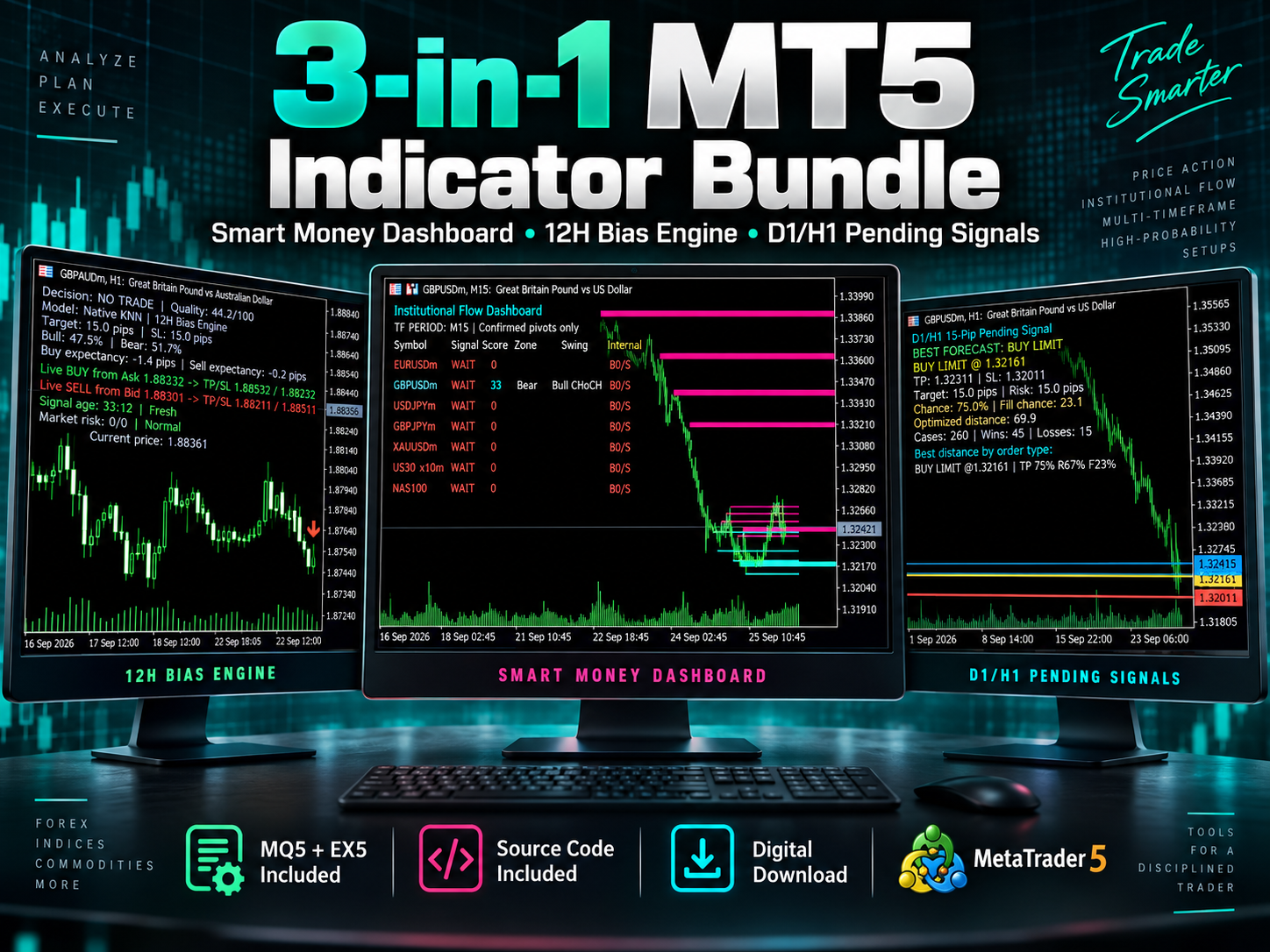
12H Bias Engine, Smart Money Institutional Flow Dashboard and D1/H1 pending-signal logic with MQ5 + EX5 source included via Etsy.
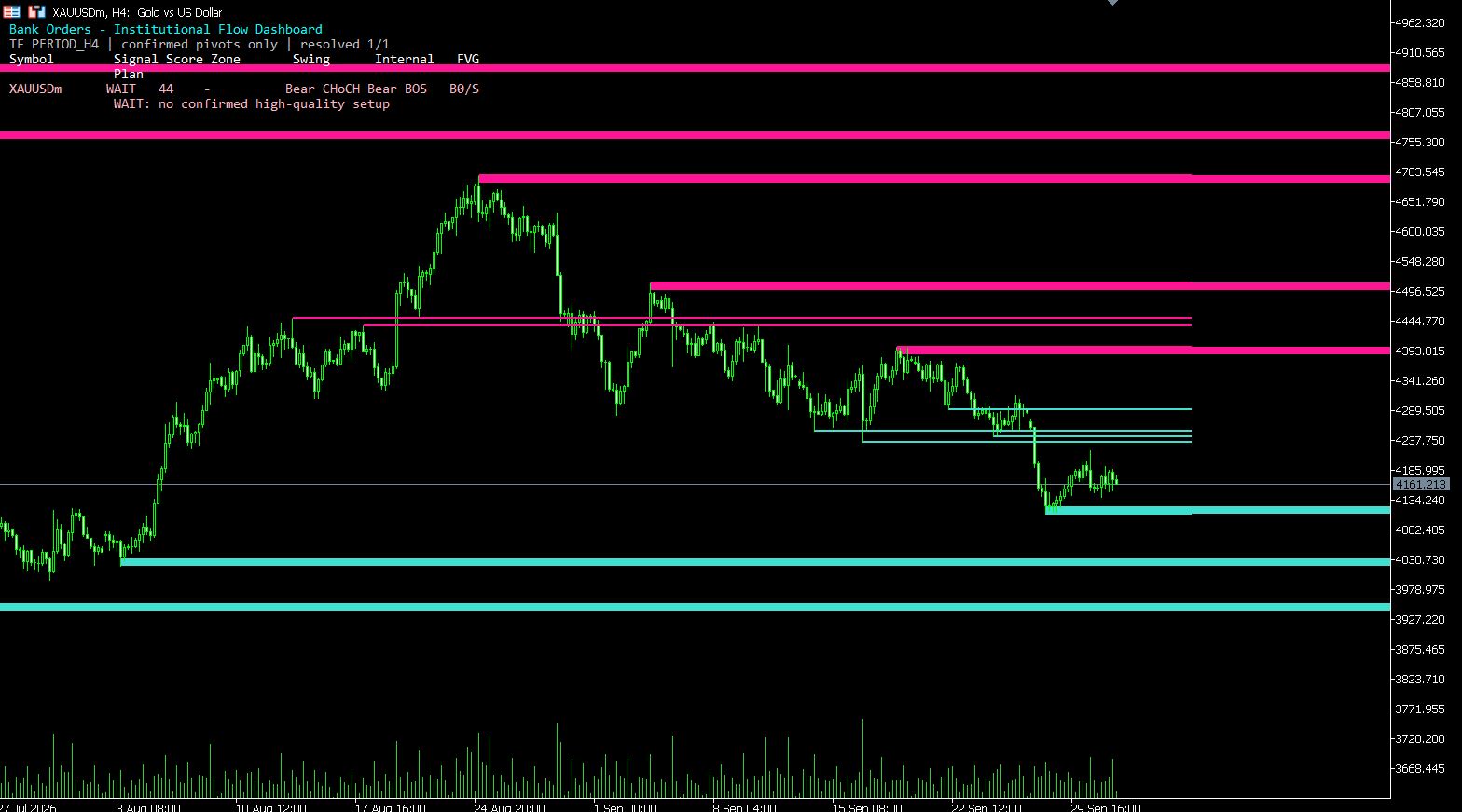
Supply/demand zones, BOS/CHoCH, liquidity levels, FVG, equal highs/lows and confirmed trade-plan logic explained with EX5 download.
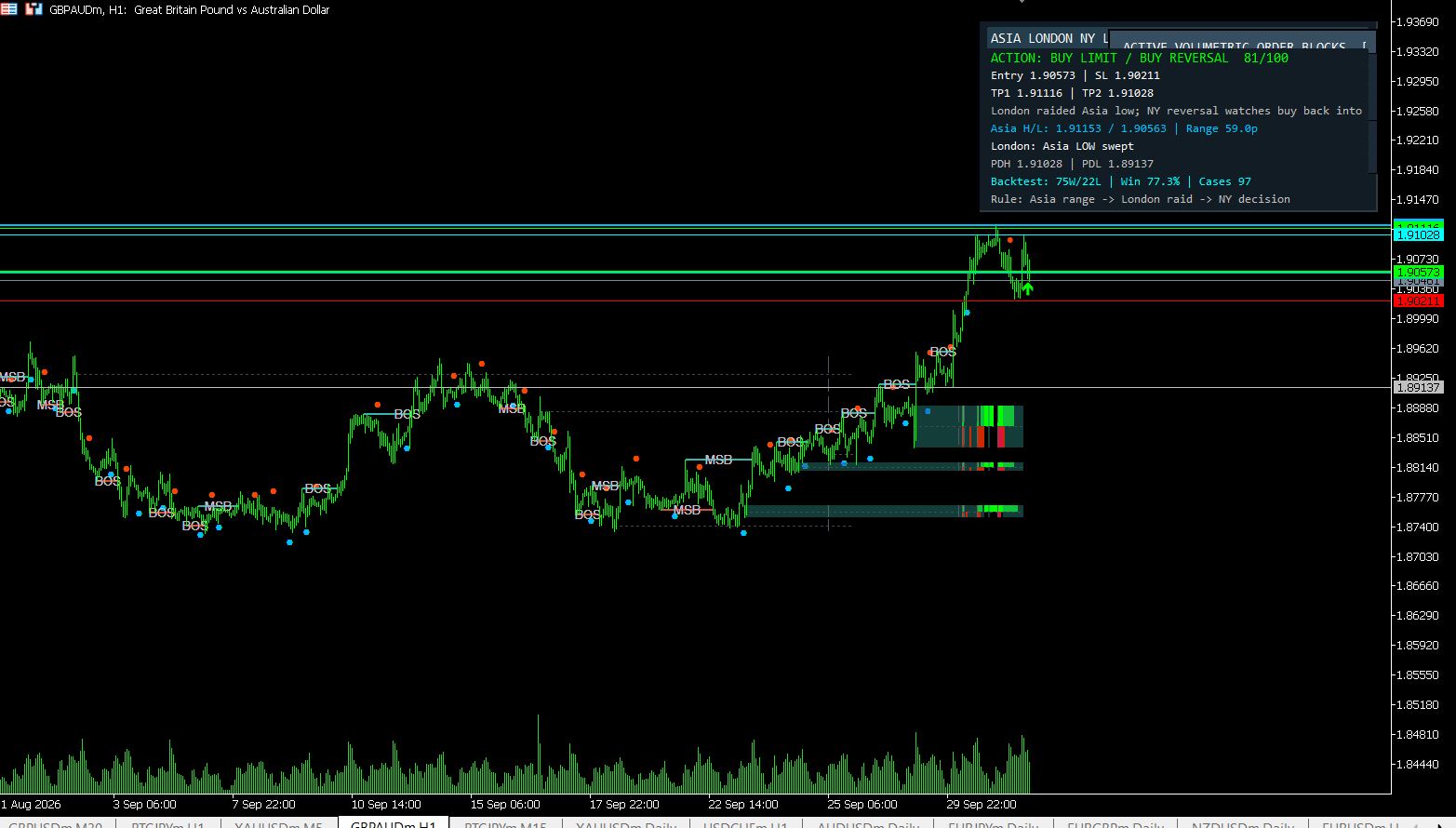
Asia range, London raid and New York continuation/reversal planning with internal session backtest stats and entry/SL/TP dashboard.
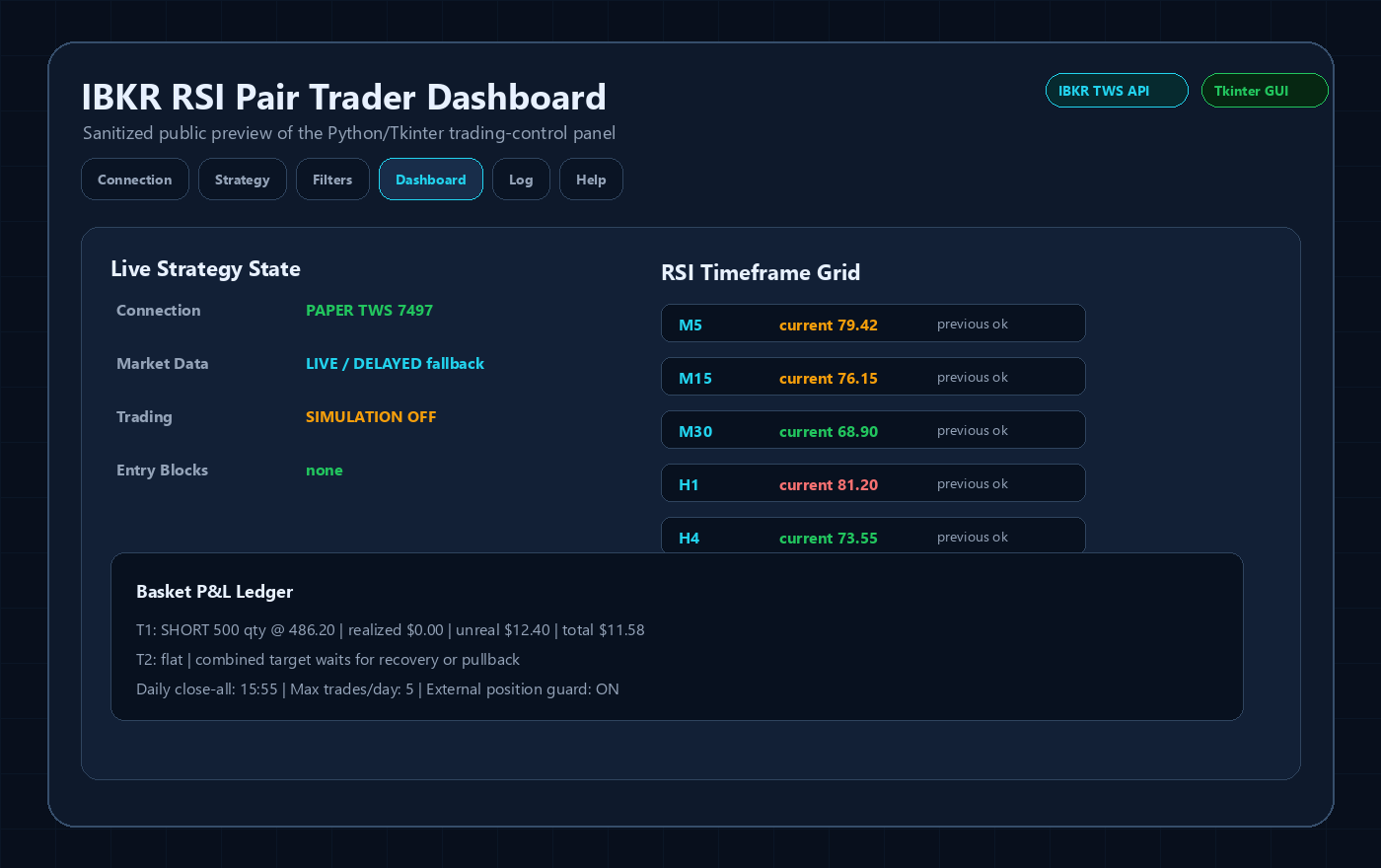
Tkinter desktop trading workflow, TWS API connection handling, RSI pair logic, risk controls and custom IBKR development positioning.
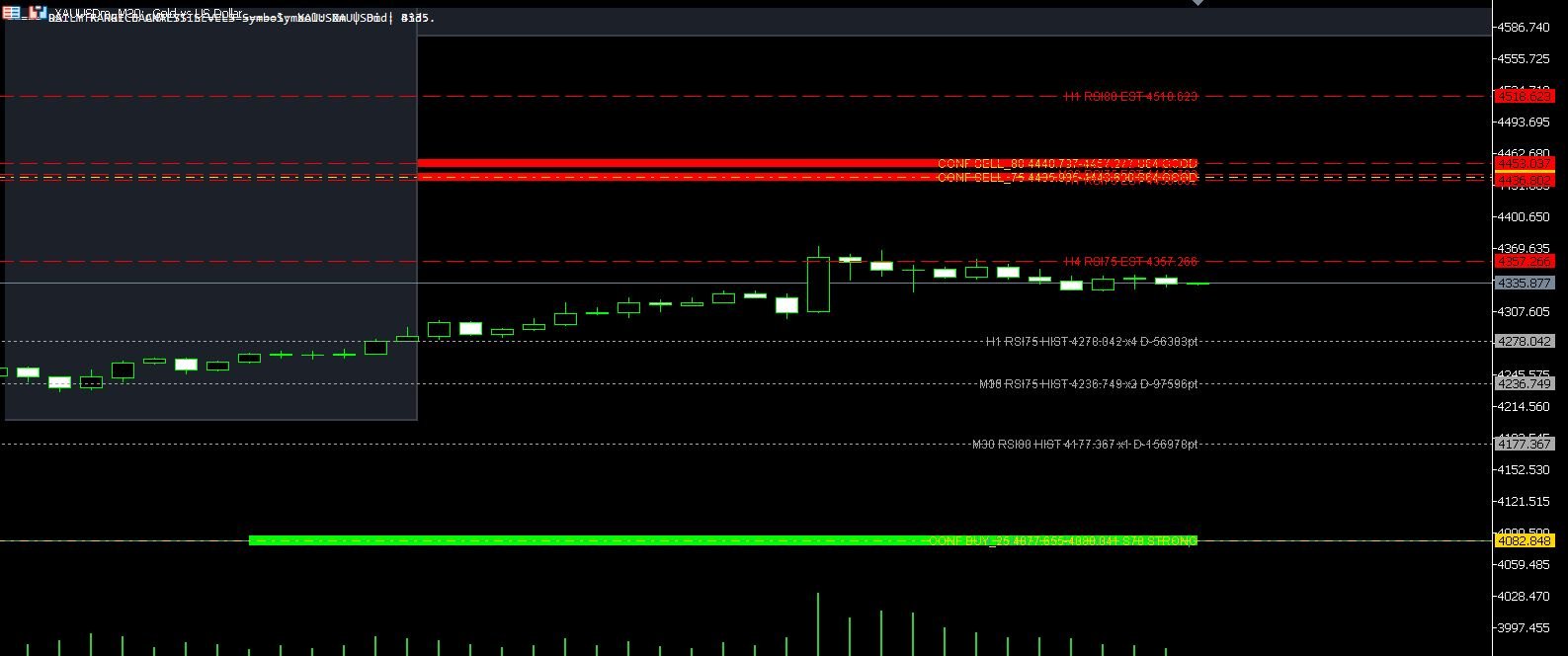
Use clean MT5 historical data for Python backtests, strategy validation, spread checks and realistic gold EA research workflows.
Free compiled files are for testing. Serious traders and developers can buy editable source packages from $65 to $650, including setup notes, compiled files, bundle discounts and optional white-label licensing.
No profit guarantee. Source code is for educational, development and trading-system customization use. Redistribution, marketplace upload or public sharing requires a separate written resale or white-label license.
The free compiled file is ready to install and test. If you want to modify the logic, recompile your own version, white-label it, or build a private custom version, source-code packages are available from $65 to $650.
Free download will continue normally. Source code is optional.
No profit guarantee. Resale or marketplace upload requires a separate written license.
Current AI D1 forecasts for 28 pairs and gold — buy/sell probability, predicted close and band, with live timestamps.
Get the paid bundle with MQ5 + EX5 source included: 12H Bias Engine, Smart Money Institutional Flow Dashboard and D1/H1 15-Pip Pending Signal engine. Built for disciplined traders who want logic, logs, dashboards and editable code.
7 global indices — US500, US30, USTEC, UK100, JP225, AUS200, STOXX50 — 9 timeframes (M1 to Monthly), 3M+ candles, 2019–2026. CSV files ready for MT5 backtesting, Python and machine learning.
No registration · no email · direct ZIP download