Forex Trading Guidelines › Guideline 6
What Is the 90% Rule in Forex?
Where the Number Comes From
The statistic is not a myth — it is disclosed by the regulators themselves:
- ESMA (EU): "Between 74% and 89% of retail investor accounts lose money" when trading CFDs — this warning appears on every regulated broker's site in Europe.
- CFTC (US): most retail forex customers lose money in forex futures and off-exchange forex trading, per NFA statistics.
- Broker disclosures: the same warning is required in the UK, Australia (ASIC) and other regulated markets.
Because 70–90% is the stated figure, "the 90% rule" is shorthand: assume, until proven otherwise, that you are the 90%. It is not a prediction about you — it is the correct prior for sizing decisions.
Why So Many Traders Lose
The losing majority is not unlucky — it is statistically predictable. The same behaviours repeat in account after account:
| Behaviour | What it does to the account | Guideline that prevents it |
|---|---|---|
| No stop loss | One position can lose the whole account | Guideline 2 |
| Oversized trades / high leverage | Small adverse moves wipe out margin | Guidelines 1, 8 |
| Revenge trading after losses | The one-day blow-up | Guideline 3 (daily cap) |
| No written strategy | Random decisions, no edge to measure | Guideline 11 (9 parts) |
| No journal / no review | Same mistake repeated for years | Guideline 12 |
| Martingale / averaging down | Exponential loss on losing streaks | Guideline 14 |
The 90% Rule Playbook: 5 Steps to Leave the Majority
- Trade demo-sized risk on a real account. Use micro lots (0.01) and 0.5–1% risk so a losing month costs less than a Netflix subscription. You cannot skip this step — 90% of the majority died exactly here.
- Write a 9-part strategy (Guideline 11) so "trading" becomes a repeatable decision process, not a mood.
- Journal 100+ trades (Guideline 12) with results in R and rule-breaks logged.
- Compute your own numbers: win rate, average win R, average loss R, expectancy per trade. Positive expectancy over 100 trades = you have left the majority. Negative = the strategy, not the market, is the problem.
- Scale only on proof. After 100 trades at a +0.3R or better average, move risk from 0.5% to 1%. Never scale because you "feel ready" — the majority always feels ready.
Enforce It Automatically
FAQ
Is it true that 90% of forex traders lose money?
Regulated disclosures (ESMA, CFTC/NFA, ASIC) state that 70-90% of retail traders lose money. That is the official statistic used on every compliant broker's risk warning — not a social-media estimate.
Why do 90% of forex traders fail?
The standard failure pattern: no stop loss, oversized positions with high leverage, revenge trading after losses, trading without a written strategy, no journaling, and martingale-style recovery. All six are preventable rules, which is why the failure rate is behaviour, not bad luck.
How do I know if I have a profitable forex strategy?
Compute expectancy over at least 100 journaled trades: (win rate x average win in R) - (loss rate x average loss in R). If the result is positive and stable over different market months, you have evidence of an edge. Until then, size like a statistic.
Does the 90% rule apply to algorithmic trading too?
Yes — most retail EAs fail for the same reasons: no risk limits, martingale logic, no drawdown shutdown. Guideline 18 requires every EA to encode the same risk rules a disciplined human follows. Backtest first, forward-test on demo, then fund small.
Choose the next useful step
Most visitors arrive with one question: build, test, price, or trust. These shortcuts keep the path practical.
Go deeper before you build, download or automate
Hand-picked engineering articles, indicator breakdowns and trading-system tools so visitors keep exploring instead of leaving after one page.
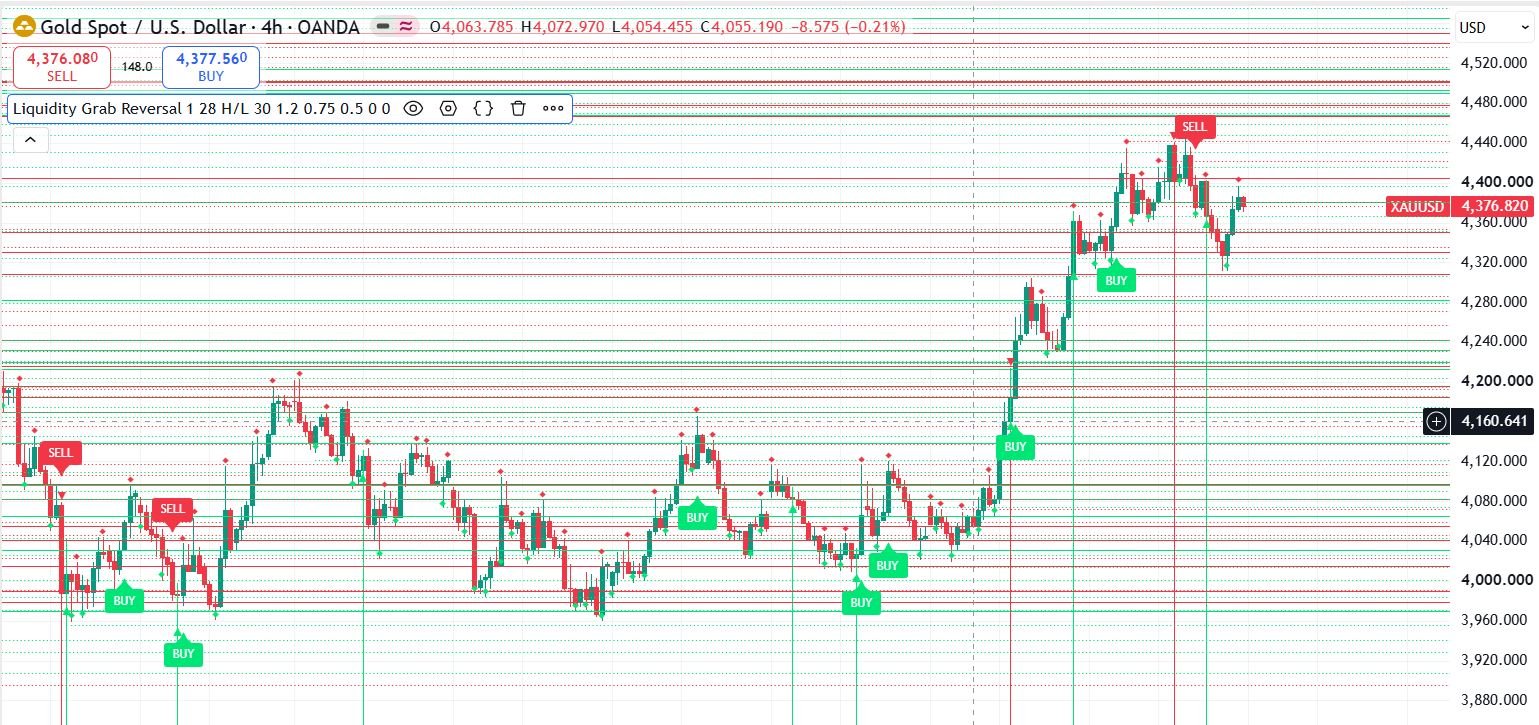
Pine Script to MT4/MT5 Conversion Planner
Analyze Pine strategies, repainting risk, TradingView alert bridges, MTF synchronization and the correct MQL4/MQL5 build path before paying for conversion.
Open planner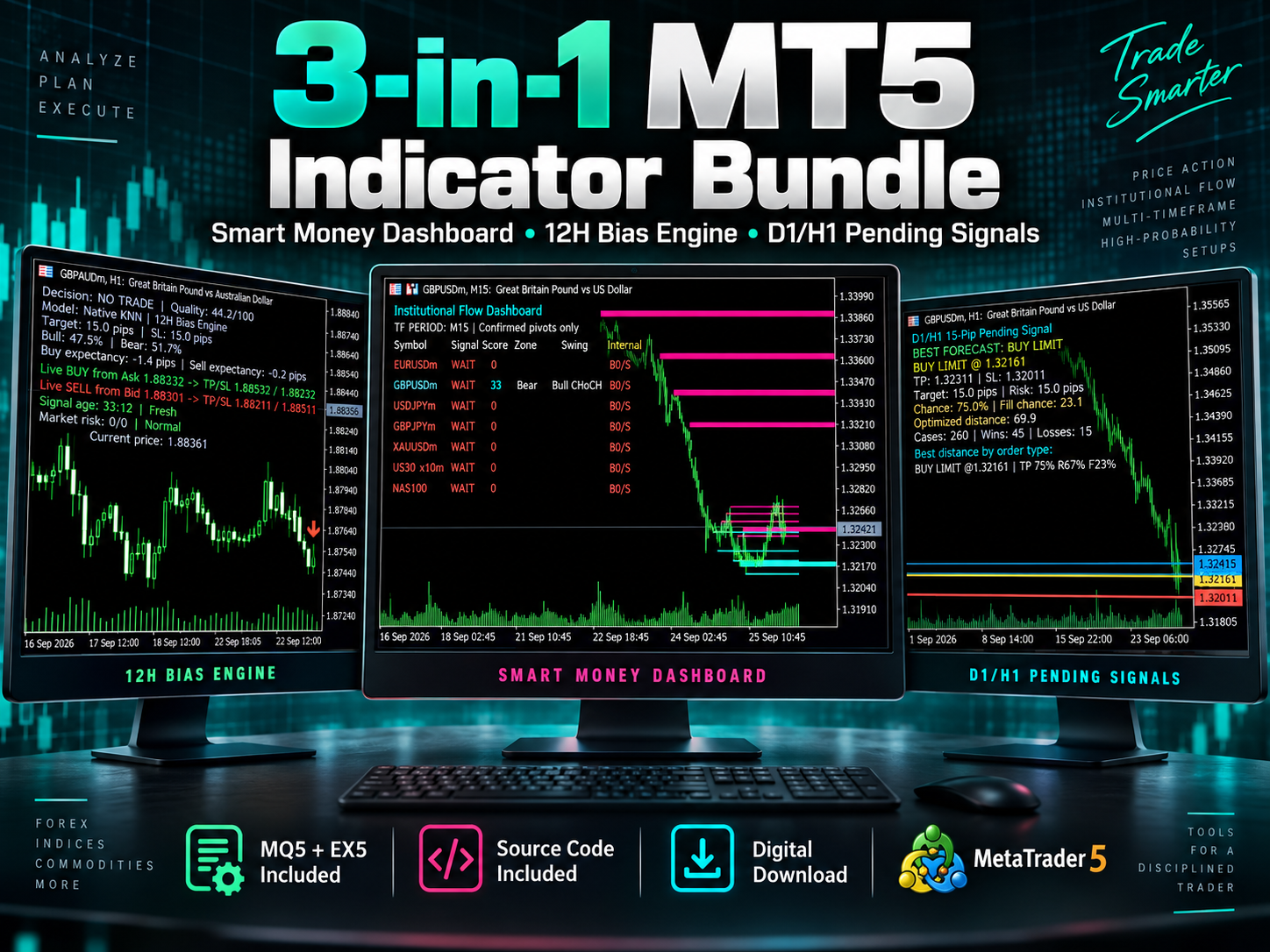
3-in-1 MT5 Indicator Bundle
12H Bias Engine, Smart Money Institutional Flow Dashboard and D1/H1 pending-signal logic with MQ5 + EX5 source included via Etsy.
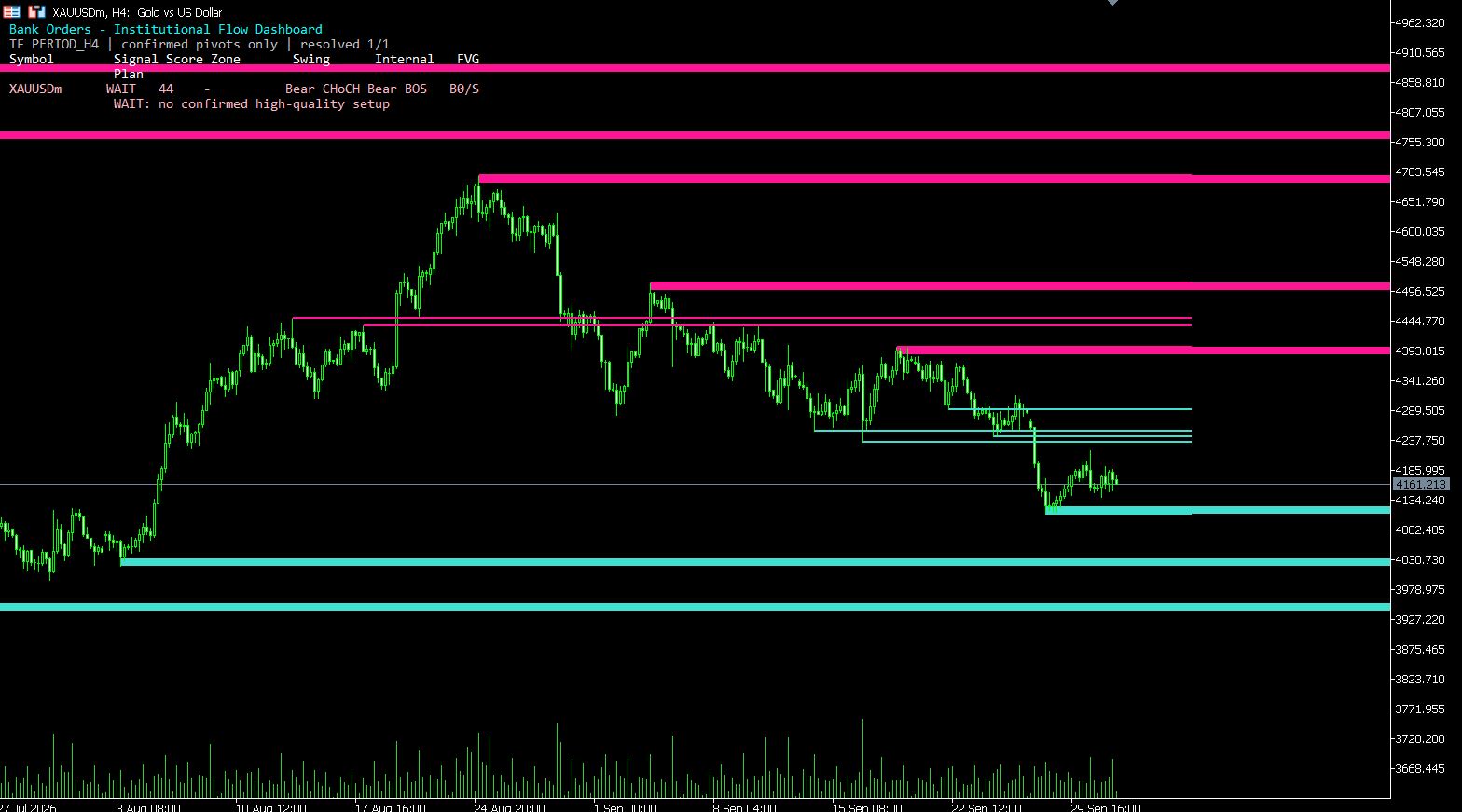
MT5 Bank Orders Institutional Flow Dashboard
Supply/demand zones, BOS/CHoCH, liquidity levels, FVG, equal highs/lows and confirmed trade-plan logic explained with EX5 download.
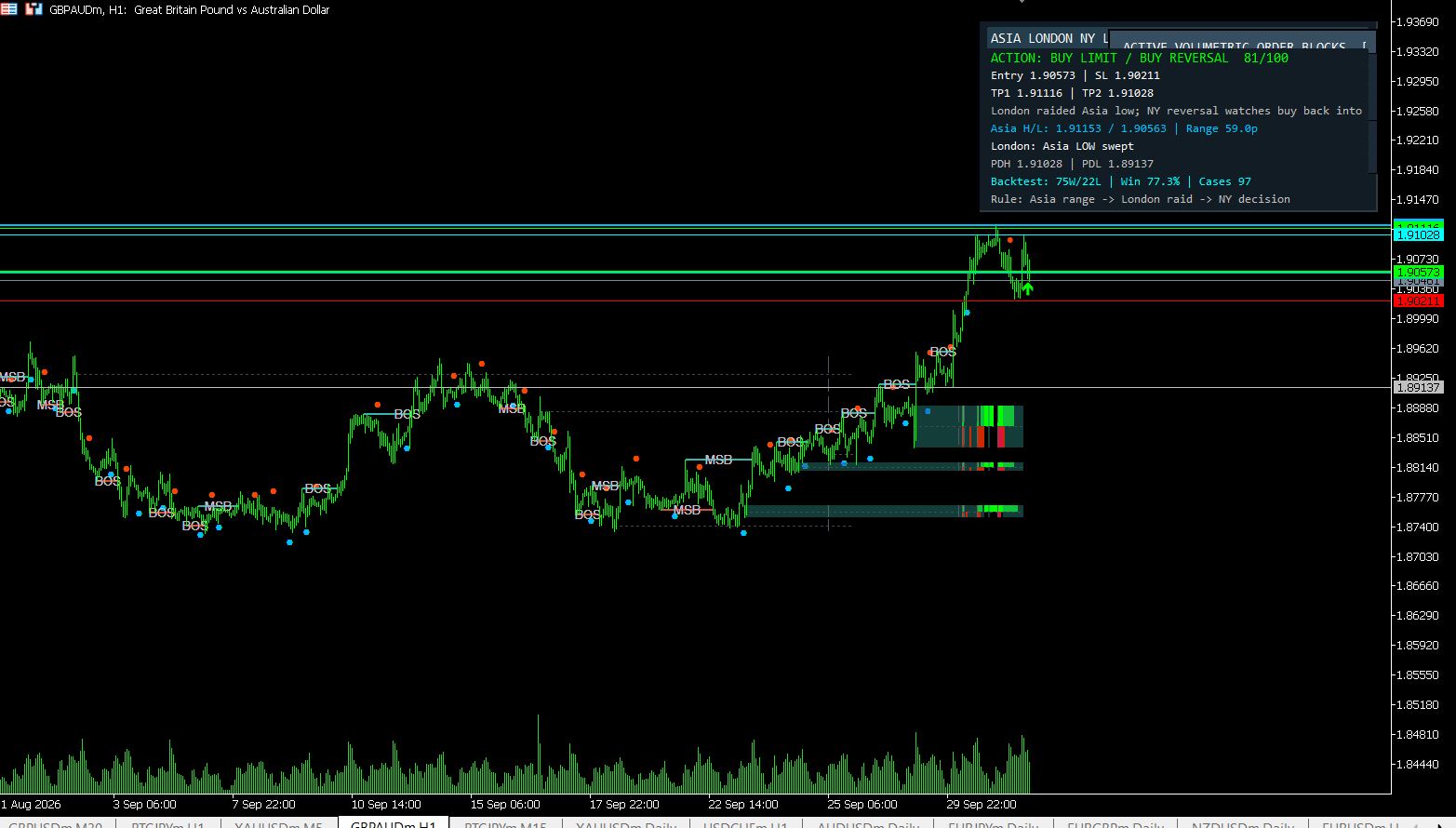
MT5 Asia London NY Liquidity Engine
Asia range, London raid and New York continuation/reversal planning with internal session backtest stats and entry/SL/TP dashboard.
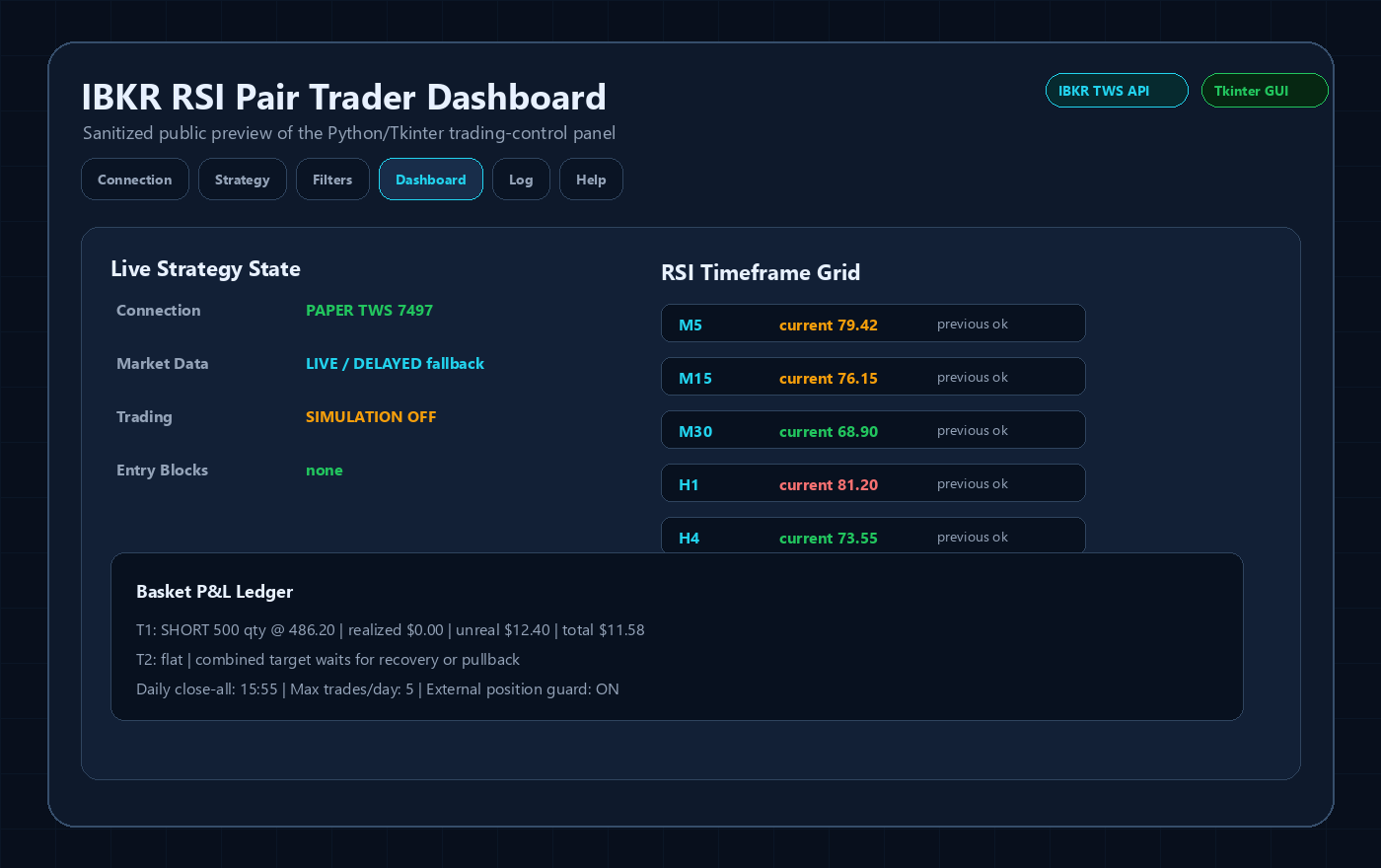
Interactive Brokers RSI Pair Trader
Tkinter desktop trading workflow, TWS API connection handling, RSI pair logic, risk controls and custom IBKR development positioning.
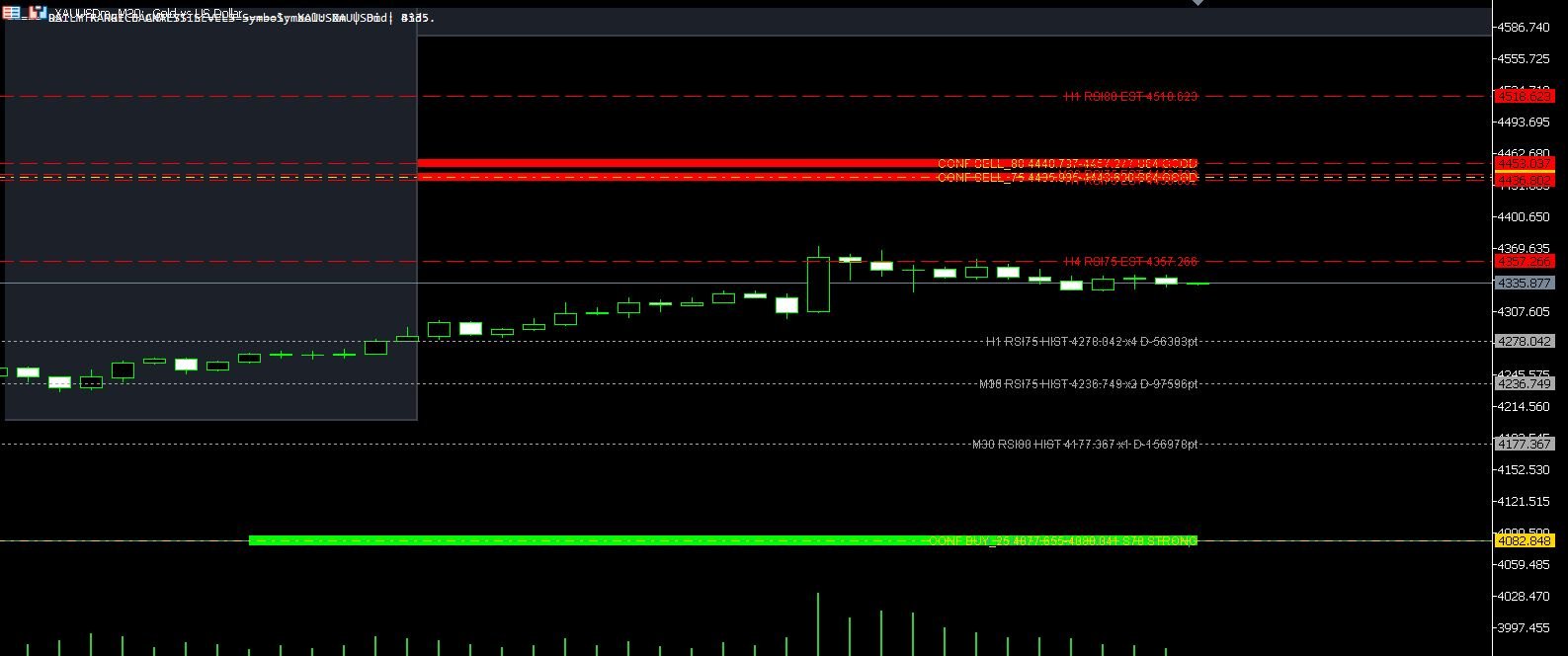
XAUUSD M30 CSV Data For Backtesting
Use clean MT5 historical data for Python backtests, strategy validation, spread checks and realistic gold EA research workflows.