Forex Trading Guidelines › Guideline 11
The 9-Part Forex Strategy Framework
The 9 Parts, Defined
| # | Part | The question it answers |
|---|---|---|
| 1 | Market | Which instrument(s) exactly — EURUSD only, or all majors? Gold? Indices? |
| 2 | Timeframe | Entry timeframe and higher timeframe for context (e.g. enter M15, context H1). |
| 3 | Market context | Trend, range or breakout regime — and which session hours qualify. |
| 4 | Setup | The exact pattern/condition that must exist (pullback to level, breakout of range...). |
| 5 | Entry trigger | What precisely fires the order — a candle close above X, a touch of Y? |
| 6 | Stop-loss rule | Where the setup is invalidated — a fixed distance, or a structure point? |
| 7 | Exit / target rule | Target, trailing method, time exit, or signal-based exit. |
| 8 | Risk per trade | Fixed % (0.5-2%) and the resulting lot size rule (Guidelines 1, 16). |
| 9 | No-trade conditions | News blackout, daily cap hit, no signal, wrong session — the "when NOT to trade" list. |
Worked Example: A Complete 9-Part Strategy
Here is a finished example you can copy and adapt:
Now test it: two traders following this document should enter at the same price, or not at all. That testability is the entire point of the framework — it is what separates a strategy from a feeling.
Why 9 Parts, Not "Just a Setup"
- Measuring requires rules: you cannot journal a result in R (Guideline 12) without parts 6 and 7 defined.
- Backtesting requires rules: a 9-part strategy can be coded and tested on historical data; a "setup + gut feel" cannot.
- Discipline requires rules: the pre-trade checklist (Guideline / Checklist) checks parts 2-6 and 9 before every entry — it needs your strategy written to work.
- Automation requires rules: an EA (Guideline 18) is literally your 9 parts in code. If you cannot write the 9 parts, you cannot write the EA.
Build Around the Framework
FAQ
What makes a good forex trading strategy?
A good strategy is fully defined (all 9 parts), objective (two traders reach the same decision), survivable (risk 0.5-2%, stops mandatory), and measurable (journaled in R so expectancy can be computed).
How do I write my first trading plan?
Answer the 9 framework questions in writing: market, timeframe, context, setup, trigger, stop, target, risk, no-trade conditions. Then journal 100 demo trades against it before risking real money.
What is the difference between a setup and a strategy?
A setup is one part (the pattern). A strategy is the full decision system: context, trigger, stop, target, risk and no-trade rules around that pattern. Most beginners trade setups and call it a strategy — that is the 90% failure pattern.
Can I automate a 9-part strategy?
Yes — that is exactly what an Expert Advisor is: your 9 parts expressed as code, with extra safeguards for spreads, slippage and connectivity. See the EA guidelines page for the automation rules.
Choose the next useful step
Most visitors arrive with one question: build, test, price, or trust. These shortcuts keep the path practical.
Go deeper before you build, download or automate
Hand-picked engineering articles, indicator breakdowns and trading-system tools so visitors keep exploring instead of leaving after one page.
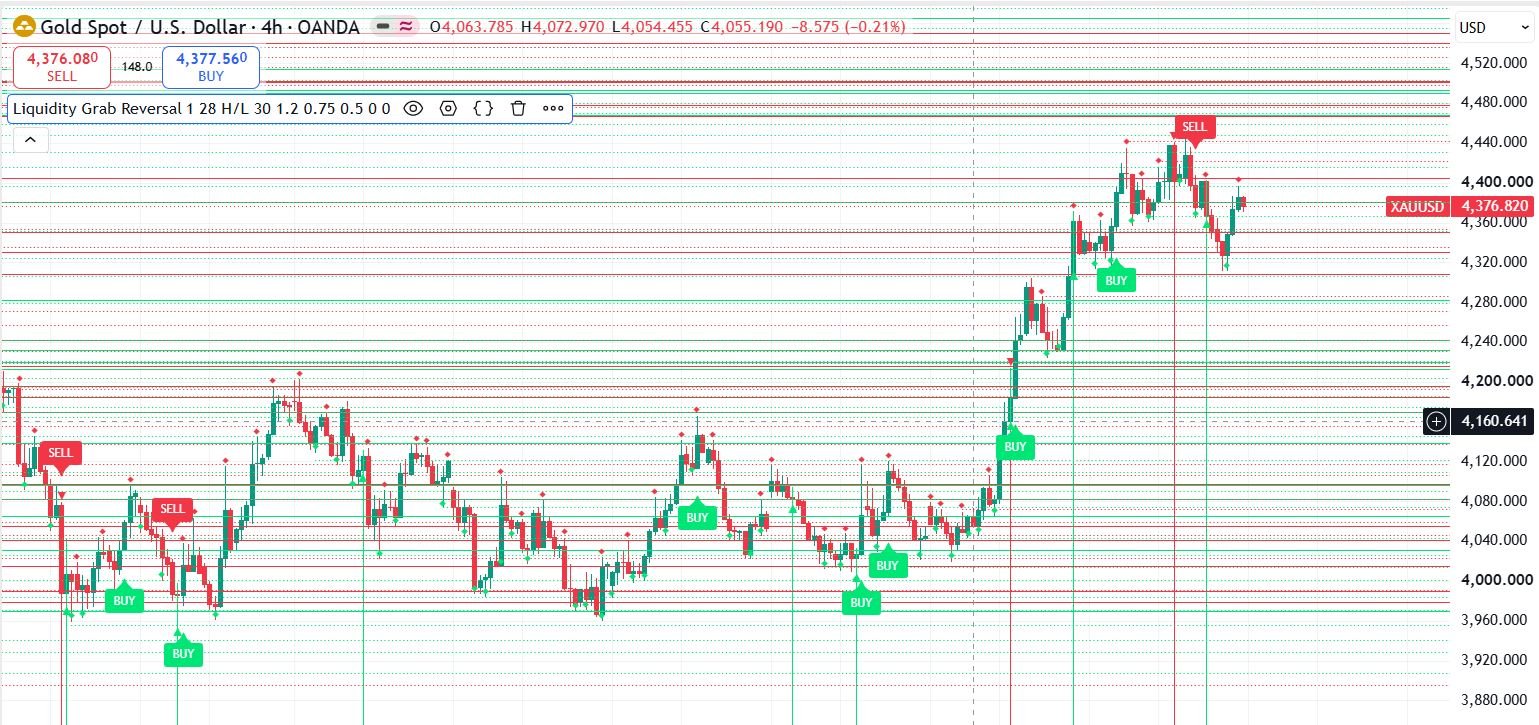
Pine Script to MT4/MT5 Conversion Planner
Analyze Pine strategies, repainting risk, TradingView alert bridges, MTF synchronization and the correct MQL4/MQL5 build path before paying for conversion.
Open planner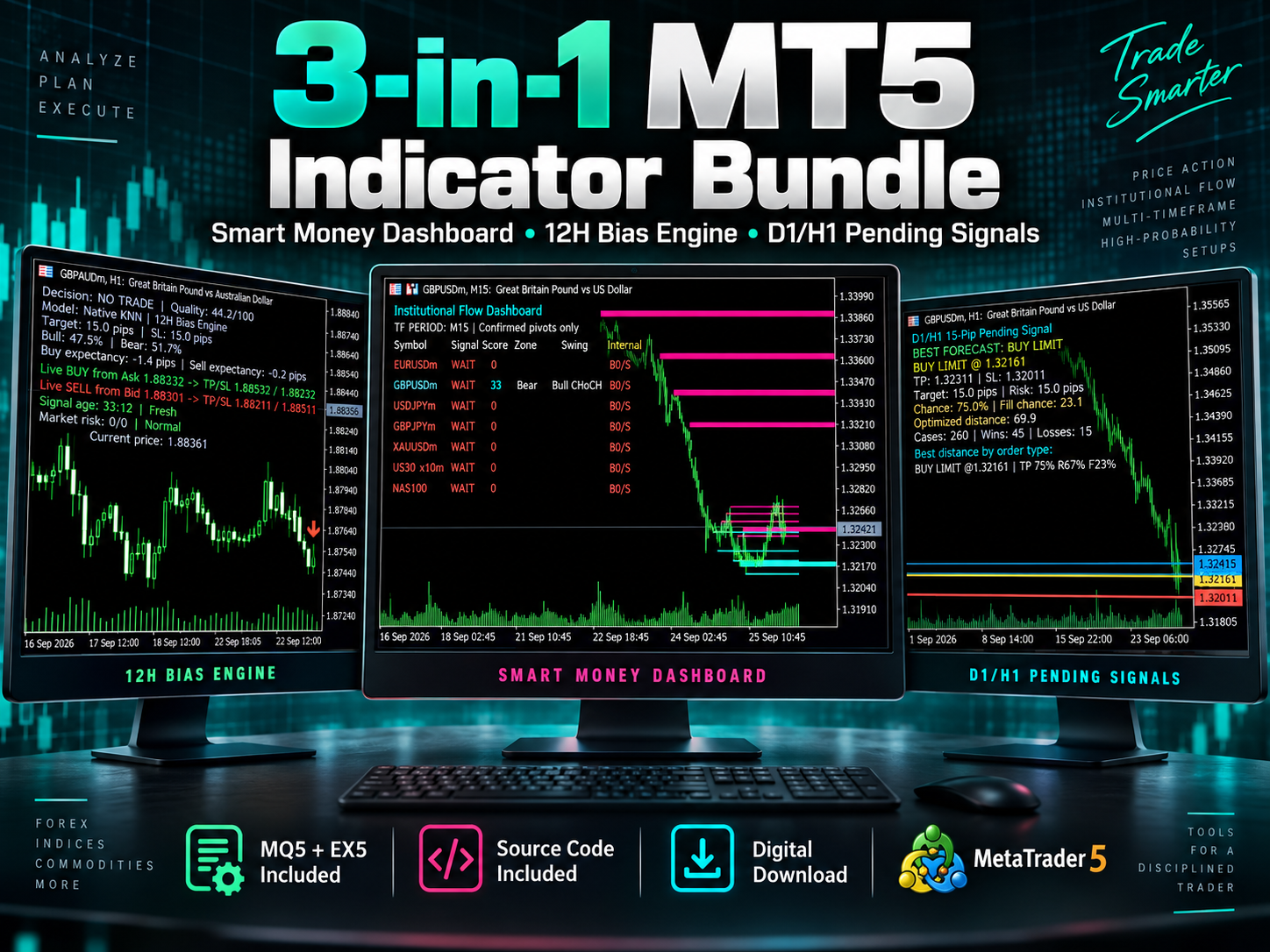
3-in-1 MT5 Indicator Bundle
12H Bias Engine, Smart Money Institutional Flow Dashboard and D1/H1 pending-signal logic with MQ5 + EX5 source included via Etsy.
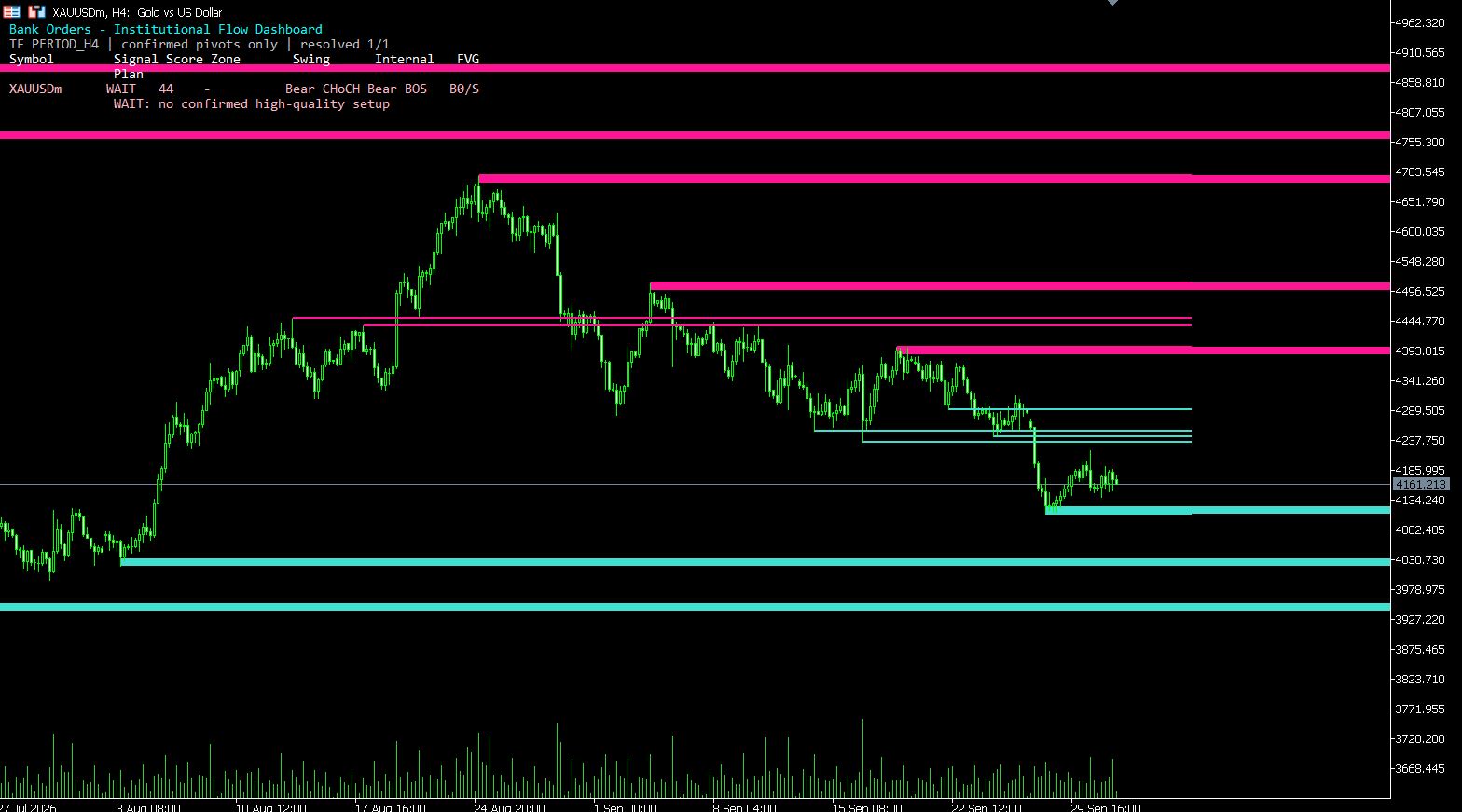
MT5 Bank Orders Institutional Flow Dashboard
Supply/demand zones, BOS/CHoCH, liquidity levels, FVG, equal highs/lows and confirmed trade-plan logic explained with EX5 download.
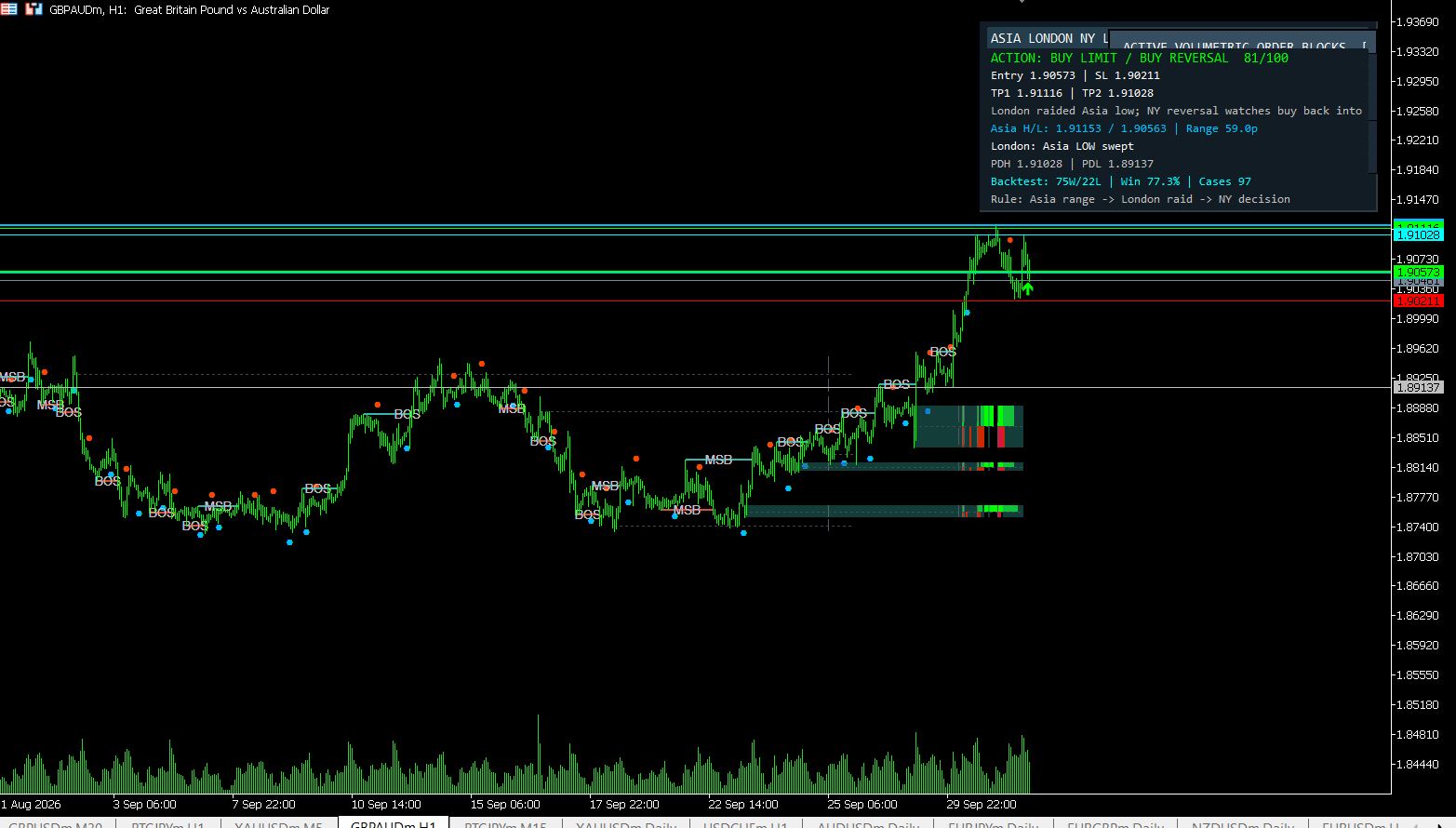
MT5 Asia London NY Liquidity Engine
Asia range, London raid and New York continuation/reversal planning with internal session backtest stats and entry/SL/TP dashboard.
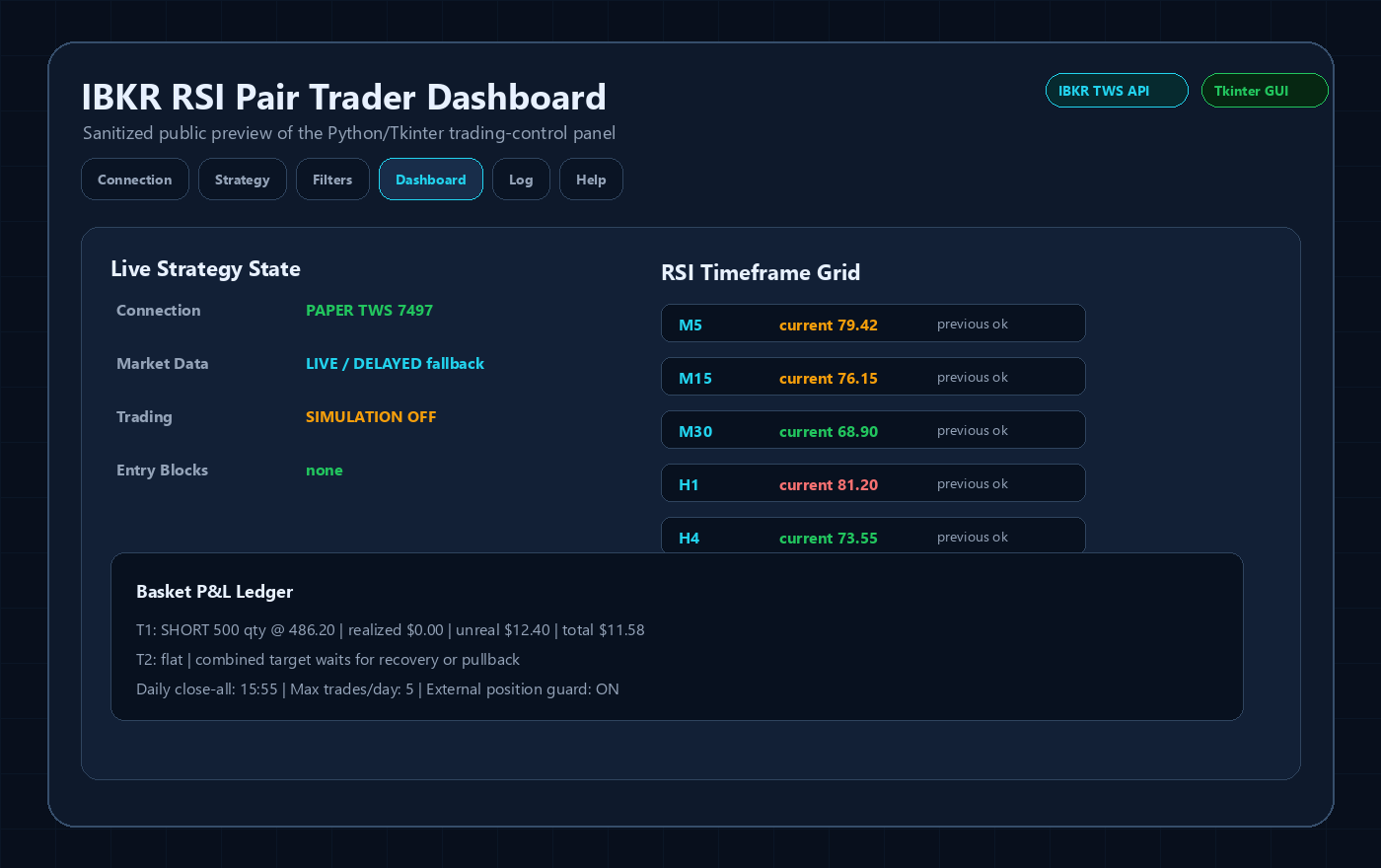
Interactive Brokers RSI Pair Trader
Tkinter desktop trading workflow, TWS API connection handling, RSI pair logic, risk controls and custom IBKR development positioning.
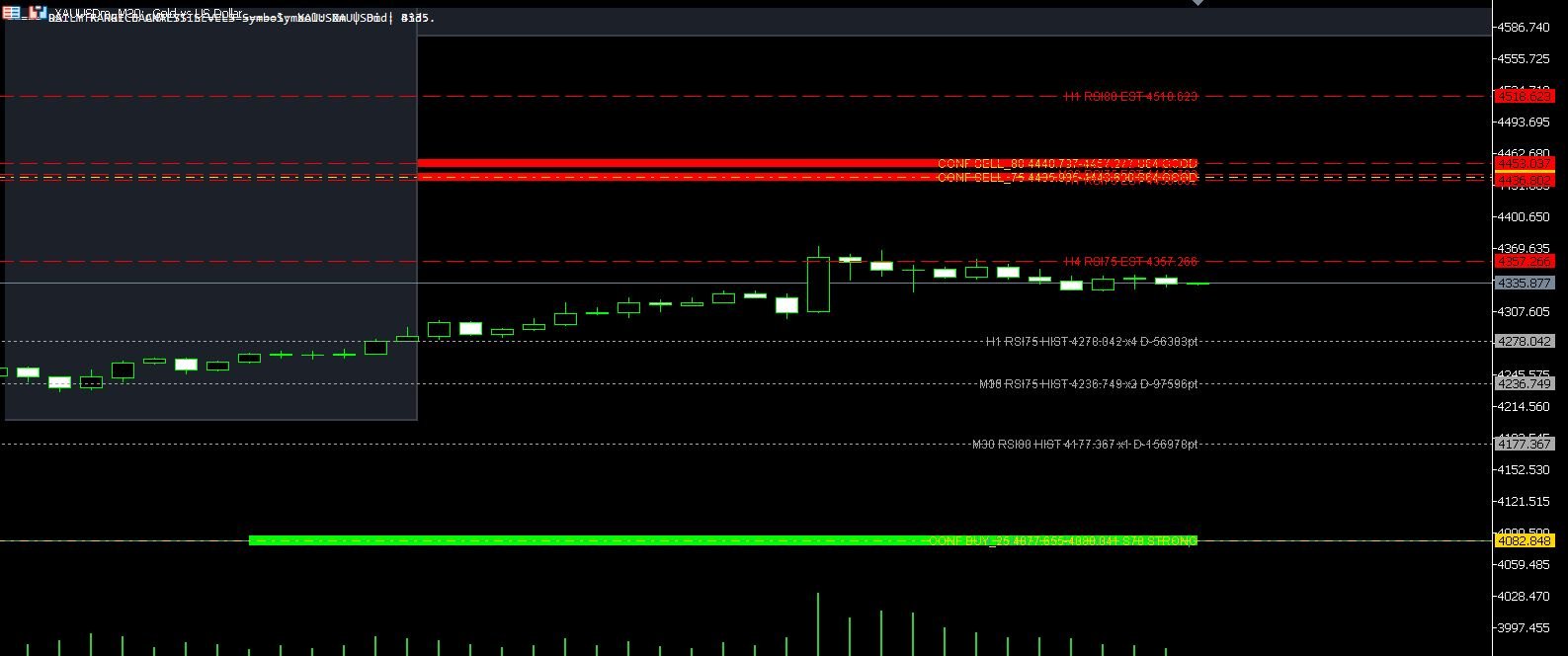
XAUUSD M30 CSV Data For Backtesting
Use clean MT5 historical data for Python backtests, strategy validation, spread checks and realistic gold EA research workflows.