Forex Trading Guidelines › Guideline 2
Stop Loss Placement Rules: Where to Put Stops in Forex
Stop Placement by Setup Type
| Setup | Invalidation level (put the stop here) |
|---|---|
| Pullback in a trend (long) | 1-2 pips below the pullback low / the structure swing low |
| Pullback in a trend (short) | 1-2 pips above the pullback high / the swing high |
| Breakout long | Below the breakout level / the range low, at the re-test zone |
| Range trade (buy low) | Below the range low, not below your entry |
| Support/resistance bounce | Beyond the level, sized to absorb a false-break sweep |
The universal test: if price reaches your stop, the original trade thesis must be objectively false. If price reaching the stop would not change your mind about the setup, the stop is in the wrong place.
The Three Stop Errors That Lose Accounts
- No stop at all ("it will come back"). This is not a strategy; it is a margin-call generator. Guideline 2 is absolute: stop on every trade, set before entry. One position without a stop can erase months of discipline.
- Stops moved closer ("give it room"). Widening a stop to avoid a loss is the definition of averaging down on your own risk — it turns a planned 1% loss into an unplanned 5-10% loss. A stop is a plan; moving it breaks the plan.
- Stops at round numbers. Everyone else's stop is at 1.10000 and at the recent swing low — sweeps take them all out first. Place stops a few pips beyond obvious levels.
Stop Distance vs. Risk Budget: The Conflict Rule
The correct stop is often farther than your risk budget wants. When that happens, the rule is simple: the trade is off-limits — do not shrink the stop to fit, and do not increase risk % to fit. Instead reduce size so the wider stop still costs 1% of the account, or skip the trade entirely (Guideline 16 handles the lot math automatically).
Swing stop needs 100 pips. EURUSD pip value $10/lot.
Correct: lots = $50 / (100 x $10) = 0.05 lots.
Wrong: trade 0.10 lots with a 50-pip "comfortable" stop.
Place It Right
FAQ
Where should I put my stop loss?
One to two pips beyond the level that invalidates your setup: below the swing low for longs, above the swing high for shorts, beyond the breakout or range level. If price reaches it, your trade idea is objectively wrong.
How many pips should my stop loss be?
Stop distance is set by structure, not by a pip count. A good rule of thumb for day-trading the majors is 20-60 pips; swing trading can need 100-300 pips. The number that matters is the resulting risk % (0.5-2%), not the pip count.
Should I move my stop loss to breakeven?
Yes, but only after the trade has moved at least 1R in your favour and structure supports it. Moving to breakeven too early turns winners into scratch trades and raises your required win rate. If it reduces below the 1:2 minimum risk-reward, it is wrong.
Why do stops get hit before price reverses?
Liquidity sweeps: stops cluster at obvious levels (round numbers, recent swing highs/lows), and market makers run them before reversing. Place stops beyond structure, size for the wider stop, and let the sweep happen.
Choose the next useful step
Most visitors arrive with one question: build, test, price, or trust. These shortcuts keep the path practical.
Go deeper before you build, download or automate
Hand-picked engineering articles, indicator breakdowns and trading-system tools so visitors keep exploring instead of leaving after one page.
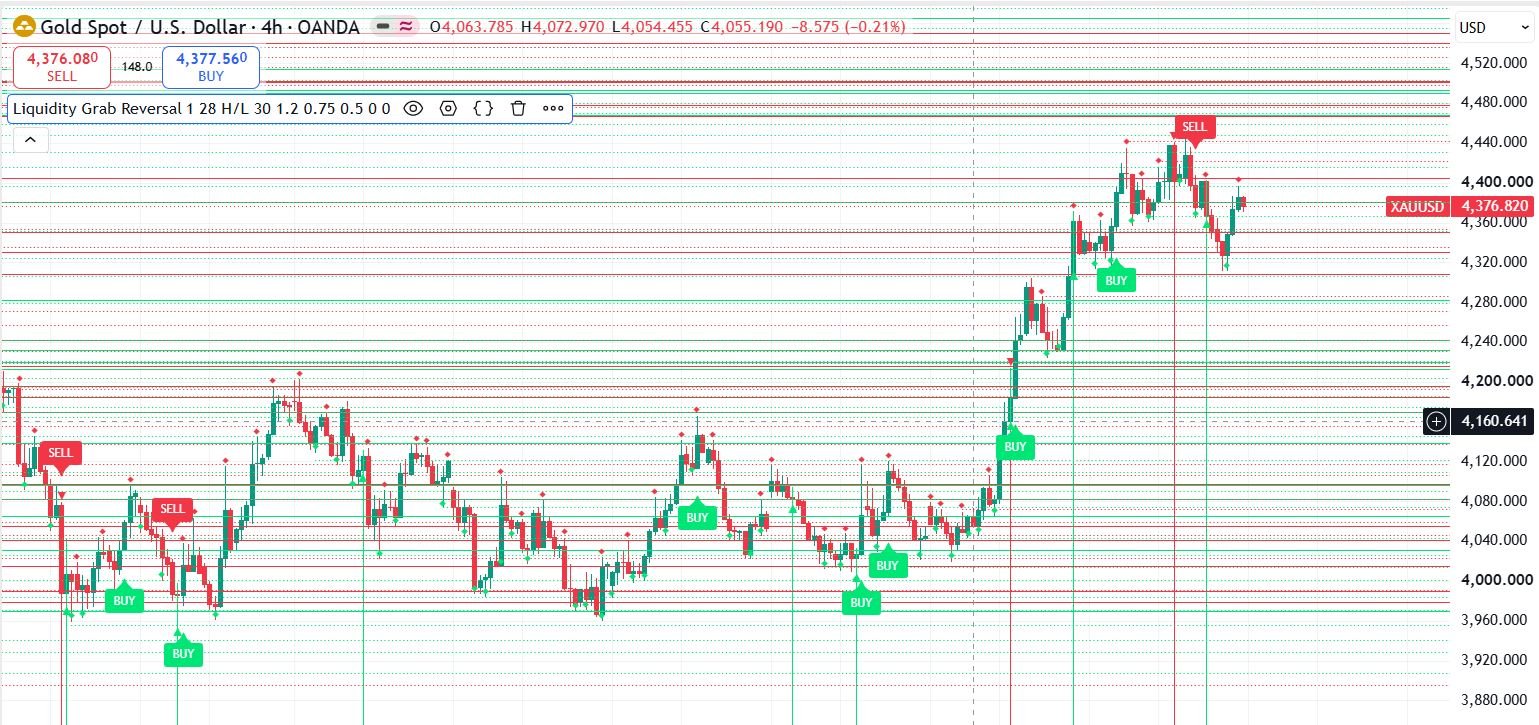
Pine Script to MT4/MT5 Conversion Planner
Analyze Pine strategies, repainting risk, TradingView alert bridges, MTF synchronization and the correct MQL4/MQL5 build path before paying for conversion.
Open planner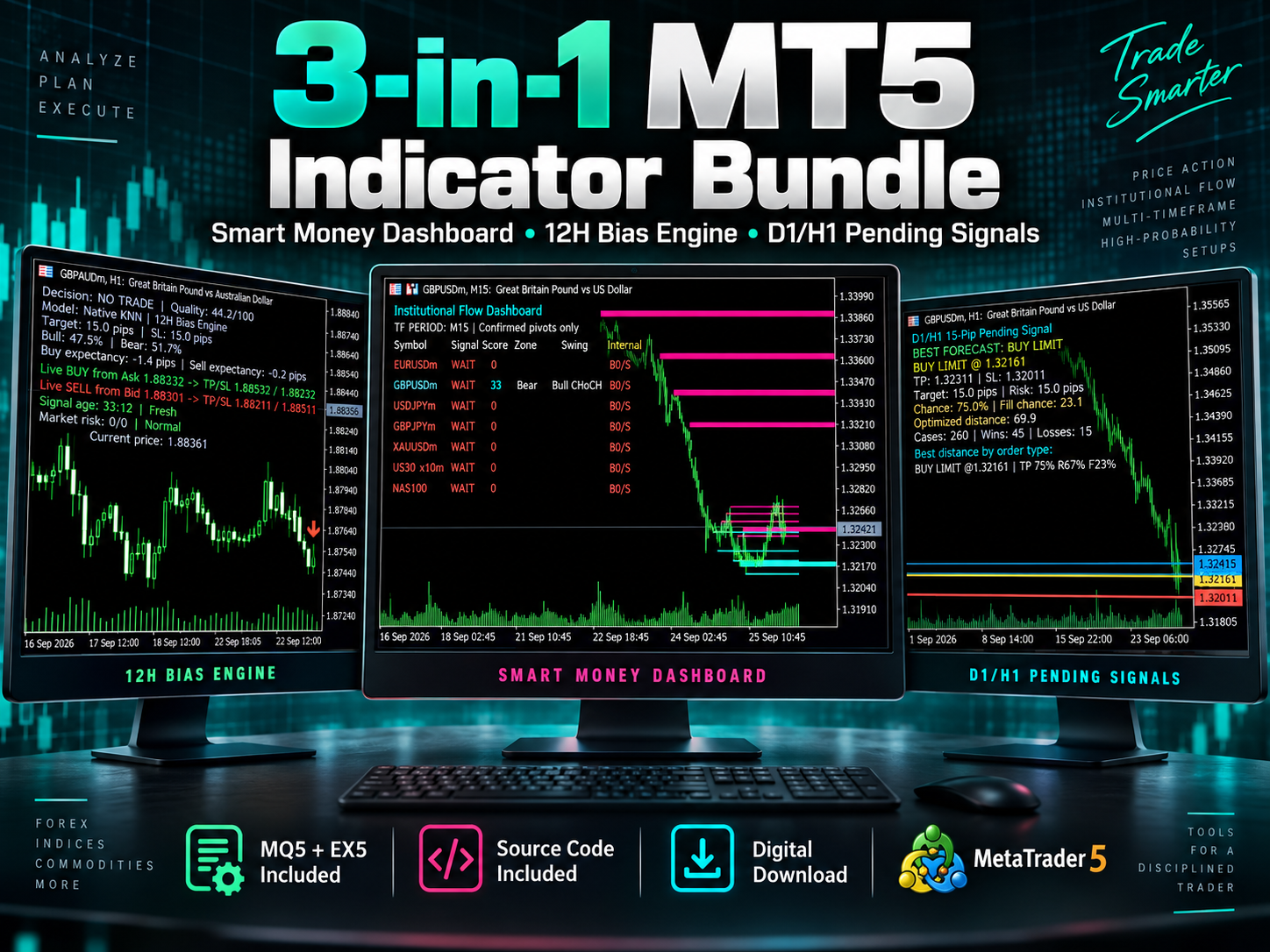
3-in-1 MT5 Indicator Bundle
12H Bias Engine, Smart Money Institutional Flow Dashboard and D1/H1 pending-signal logic with MQ5 + EX5 source included via Etsy.
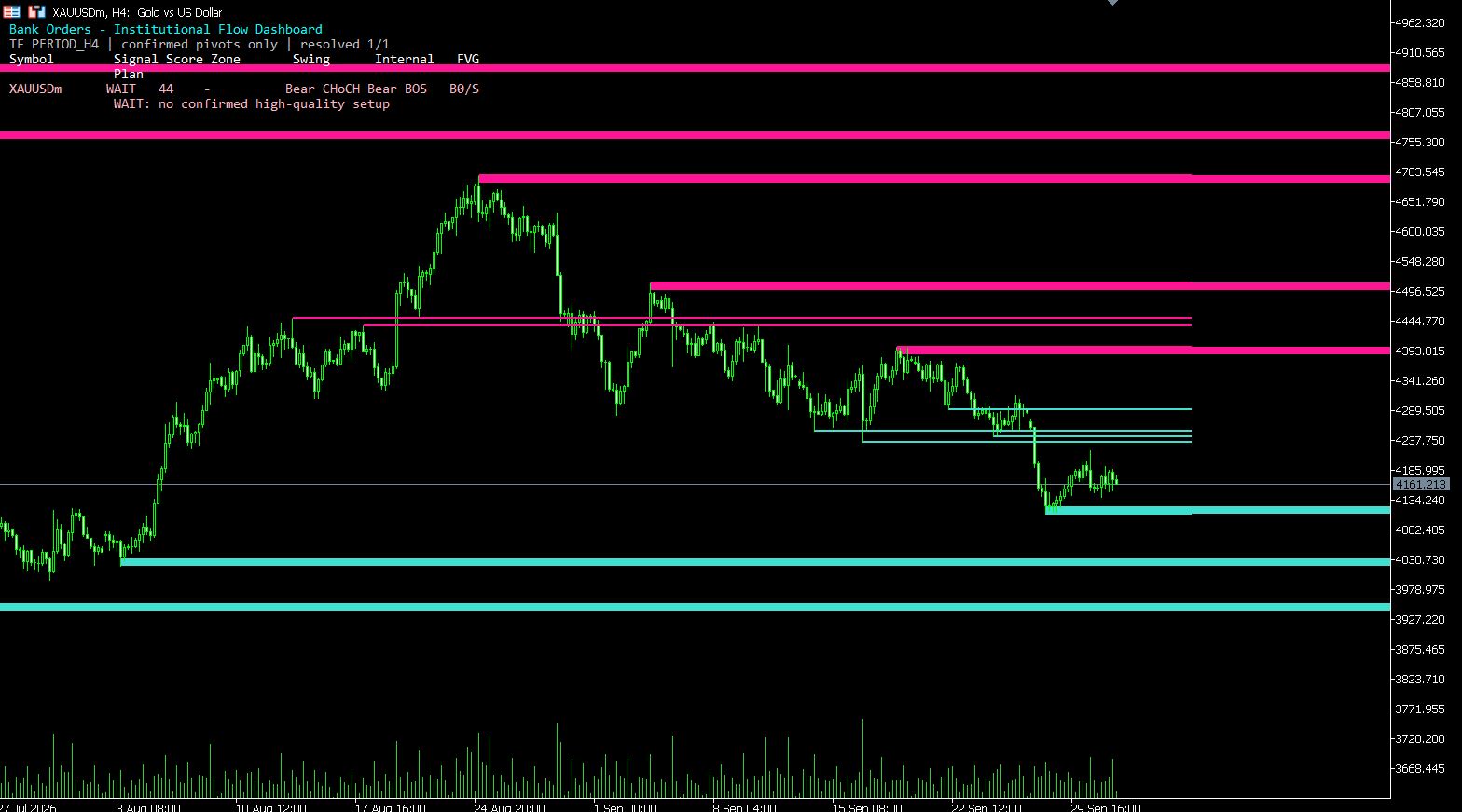
MT5 Bank Orders Institutional Flow Dashboard
Supply/demand zones, BOS/CHoCH, liquidity levels, FVG, equal highs/lows and confirmed trade-plan logic explained with EX5 download.
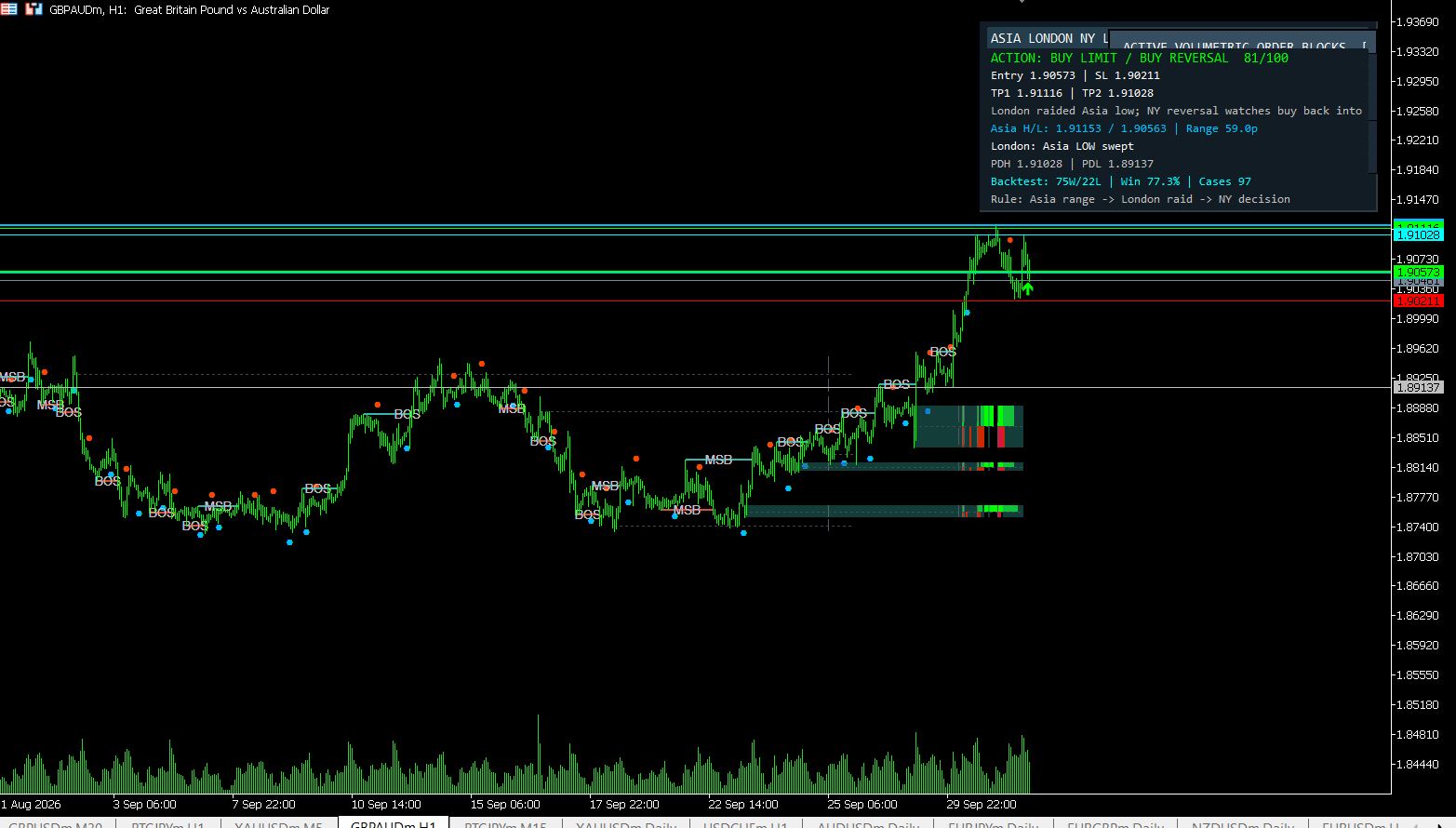
MT5 Asia London NY Liquidity Engine
Asia range, London raid and New York continuation/reversal planning with internal session backtest stats and entry/SL/TP dashboard.
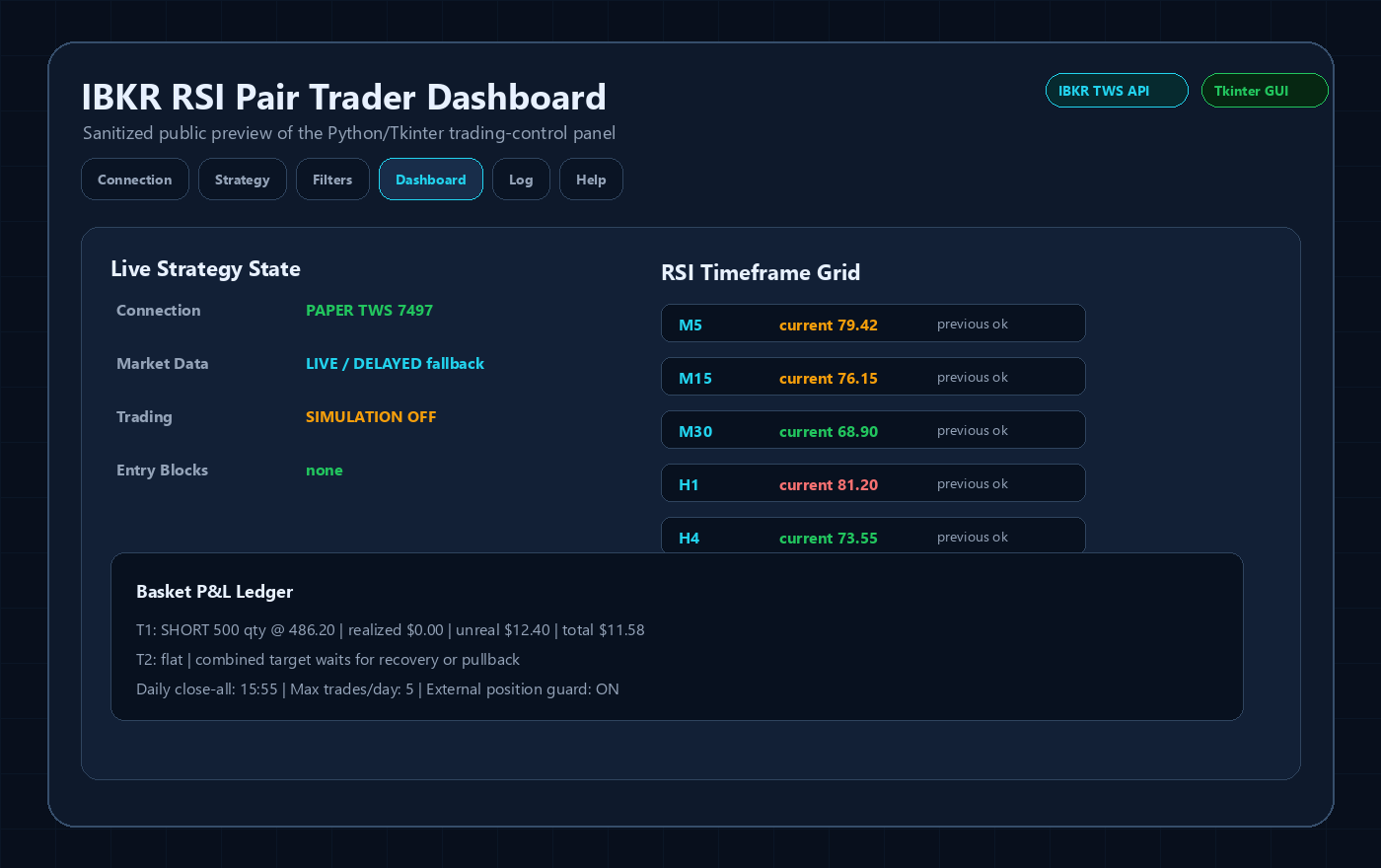
Interactive Brokers RSI Pair Trader
Tkinter desktop trading workflow, TWS API connection handling, RSI pair logic, risk controls and custom IBKR development positioning.
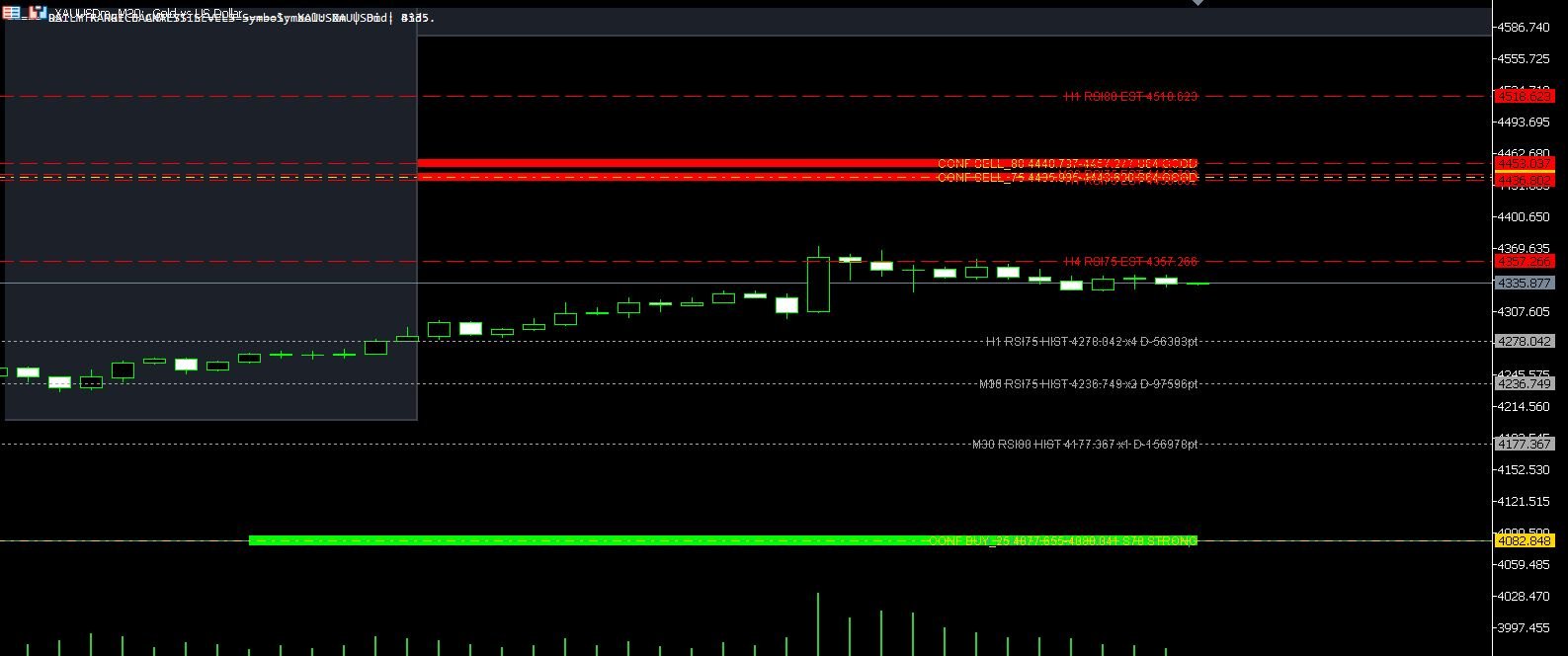
XAUUSD M30 CSV Data For Backtesting
Use clean MT5 historical data for Python backtests, strategy validation, spread checks and realistic gold EA research workflows.