Hire MQL4/MQL5 Developers: What a Senior MetaTrader Programmer Actually Delivers
Anyone can copy an EA template from a forum. The difference between a working trading system and a costly failure is what happens after the first 100 lines: architecture, event handling, optimization discipline, and a written test plan. This page shows exactly what senior-level MQL4/MQL5 development looks like — the technical depth, the case studies, and the questions you should ask before hiring anyone.
Table of Contents
What an MQL Developer Actually Does
An MQL4/MQL5 developer turns trading logic into deterministic software. That means the entry rule that lives in your head — "buy when the 50 EMA crosses above the 200 EMA during London, with an ATR stop" — becomes a system that executes the same way at 2:00 AM as it does at 2:00 PM, handles broker requotes, survives platform restarts, and produces a measurable backtest.
At senior level the work splits into four disciplines:
- System engineering. Event-driven architecture:
OnInit,OnTick,OnTradeTransaction,OnTester— knowing which function owns which responsibility, and why putting execution logic in a tick handler without guards is the classic beginner mistake. - Financial logic. Position accounting in netting and hedging modes, pip normalization across 4/5-digit brokers, margin calculation, swap costs, and the difference between "the strategy looks good" and "the strategy survives the broker's execution model."
- Optimization discipline. Genetic algorithms, walk-forward analysis, custom fitness functions — and the honesty to tell you when an optimization result is overfitted instead of selling it as profit.
- Delivery engineering. Modular source code, error handling, logging, documentation, and a defined acceptance test — the parts that matter when you need to modify the EA in six months.
For a deeper look at each layer, read the 9-layer MQL5 architecture blueprint and its MQL4 counterpart, the MQL4 architecture guide.
Technical Capabilities Matrix
What a senior MetaTrader programmer should be able to deliver — and the API surface behind each capability. This is the checklist we build against.
| Capability | What It Covers | Core MQL Functionality |
|---|---|---|
| Expert Advisors | Full automation: entries, exits, risk engine, trade management | OnInit / OnTick / OnDeinit, CTrade, OrderSend, PositionSelect, trailing & break-even managers |
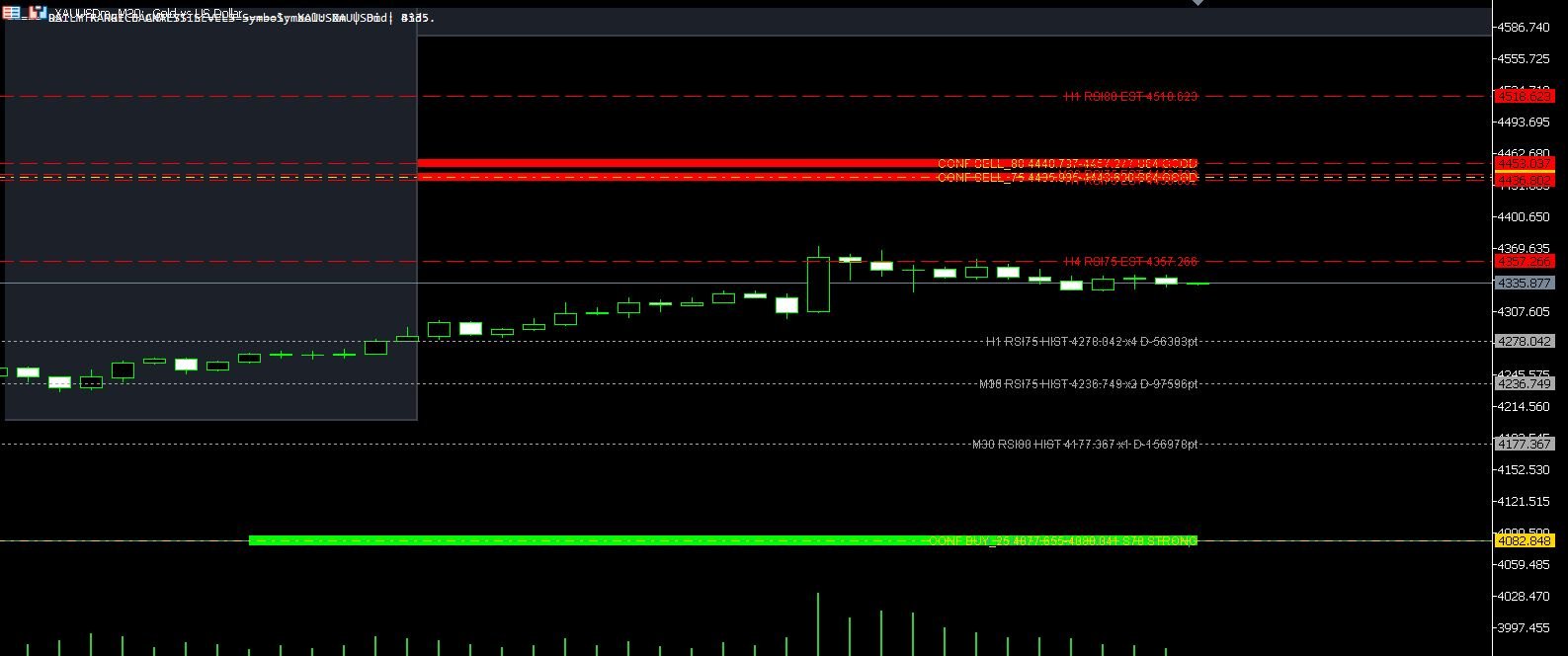
| Indicators | Custom indicators, no-repaint signal logic, multi-timeframe views | OnCalculate, SetIndexBuffer, 512 buffers, DRAW_LINE/HISTOGRAM/ARROW/ZIGZAG/FILLING — full guide |
| Trade copiers | Master-to-slave copying, lot scaling, partial-close sync | OnTradeTransaction, DEAL_ENTRY_IN/OUT, socket bridges, symbol-suffix mapping |
| Optimization | Parameter tuning without curve-fitting, stability testing | Genetic optimizer, OnTesterInit / OnTesterPass, walk-forward, MQL5 Cloud Network agents |
| Prop-firm compliance | Bots that cannot breach daily loss or drawdown rules | Equity monitoring, hard circuit breakers, news blackout via calendar feeds, SYMBOL_SPREAD guards |
| Cross-platform | Pine Script to MQL5 conversions, NinjaTrader, Python pipelines | Logic porting with parity backtests — see PineScript conversion |
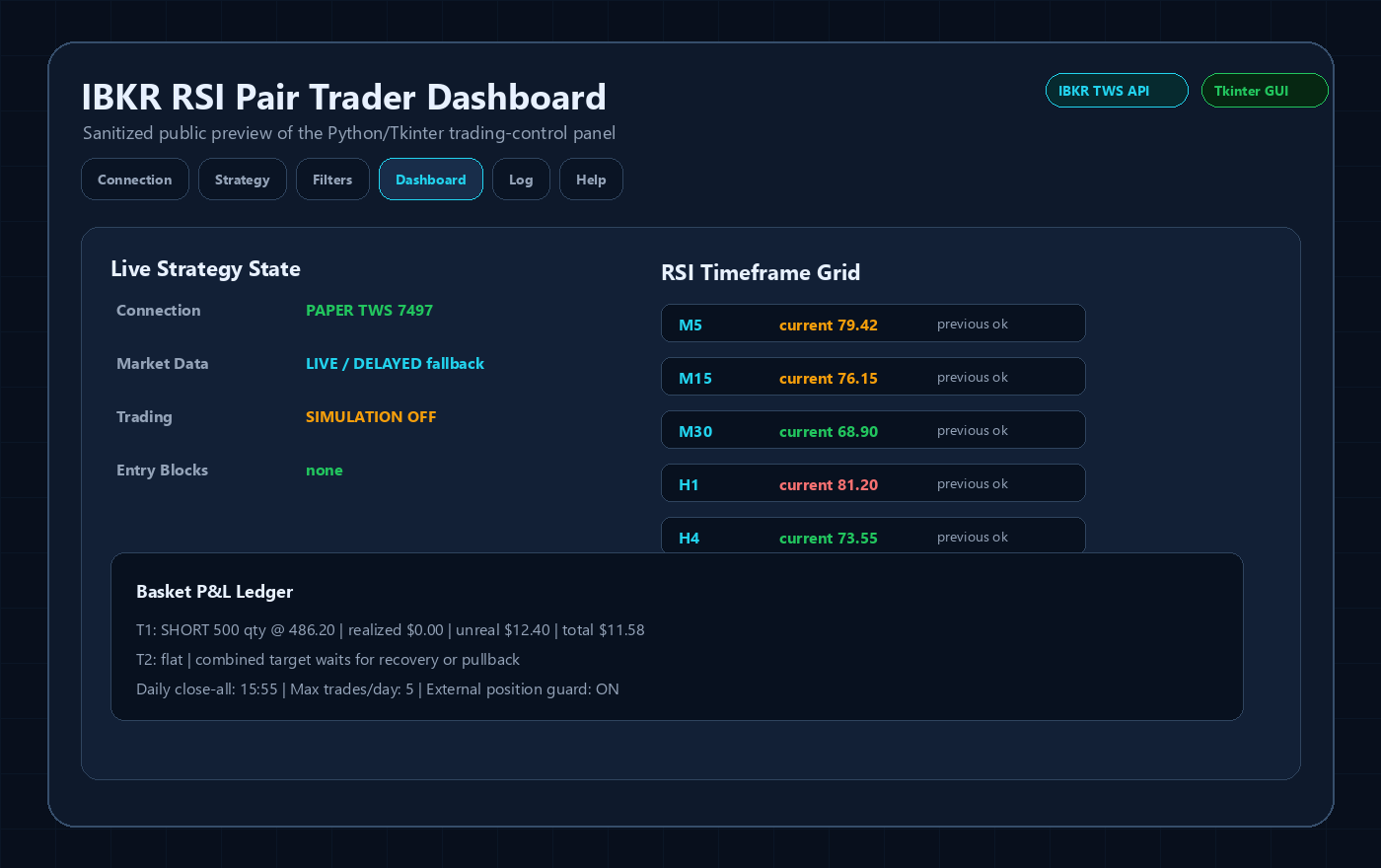
| Dashboards & tools | Panel indicators, equity monitors, news readers | Custom graphics, OBJ_RECTANGLE_LABEL panels, WebRequest data feeds |
MQL4 or MQL5 — Which Developer Do You Need?
MQL5 is the modern answer: multi-currency strategy tester, OnTradeTransaction event handling, full OOP, genetic and cloud optimization, and 512 indicator buffers against MQL4's 8. MQL4 is the compatibility answer: legacy brokers, existing client systems, and simpler single-pair bots where the older ecosystem is already paid for.
The practical rule: if you are starting fresh, build in MQL5. If you already own an MQL4 system that works, keep it and plan the migration properly — our migration case study shows the process with a real grid EA that survived the rewrite. The complete technical comparison of all 12 differences is in MQL4 vs MQL5 development.
A senior developer is fluent in both — because half of MQL5 work is upgrading MQL4 systems. If a developer can only write MQL4, you are hiring for yesterday's platform.
Case Studies With Measured Results
Claims are cheap. Here are three engineered results from our own build history — each one is a full article with the technical detail:
- The EA builder: 958 clean compiles. A generator that assembles 37 indicators, AND/OR logic and a full risk layer into compiling .mq4/.mq5 source — verified across 958 MetaEditor runs with 0 errors, 0 warnings. Read inside the EA builder.
- The MT5 trade copier. A free production copier handling partial closes, SL/TP edits and lot scaling across accounts — built on
OnTradeTransactionrather than order polling. Read the copier architecture. - The MQL4 grid EA migration. A legacy multi-pair grid system rewritten for MT5 netting with parity-validated backtests before and after the port. Read the migration case study.
And for the client-side view of hiring, the 15-question hiring guide applies the same standard to evaluating us — or anyone else you interview.
How a Professional Build Works
- 1. Specification. Your logic written down to the level of "if X and Y then Z" — including risk rules, sessions, and no-trade conditions. A two-page spec beats a two-hour call.
- 2. Architecture. Module design, event model, error-handling strategy, and the parameter list agreed before coding starts.
- 3. Build & unit checks. Development with targeted tester runs per module — every entry type, every exit type, every error path.
- 4. Optimization & validation. Parameter search with walk-forward validation, not just a pretty final curve. The full methodology is in MQL5 optimization mastery.
- 5. Delivery. Complete commented source code, compile instructions, a user guide, and a defined revision window.
If you already have a working product that needs a specific feature — prop-firm guards, a news filter, a trailing-stop engine — start at prop firm EA development for the most requested upgrade.
What It Costs in 2026
| Deliverable | Typical Range | What You Should Get |
|---|---|---|
| Custom indicator | $50 – $150 | .mq5 source, buffers configured, no-repaint logic if required |
| Simple EA | $150 – $400 | Single strategy, fixed SL/TP, basic money management |
| Complex EA | $400 – $1,500+ | Multi-condition entries, ATR stops, trailing, break-even, % risk, session filters |
| Infrastructure | $500 – $3,000+ | Copiers, dashboards, multi-symbol portfolio systems, external data feeds |
| Optimization / maintenance | $100 – $400 / month | Re-optimization cycles, broker updates, small changes |
Prices below these ranges are not automatically bad — but they usually mean no source code, no revision policy, or a template with your parameters pasted in. Our pricing page shows fixed packages for each level.
The 15-Question Vetting Checklist
Ask any candidate these questions before paying a deposit. Each one separates a senior developer from a template assembler — the full reasoning behind every question is in the hiring guide.
- Do you deliver full source code, or only compiled files?
- Show me one of your EAs — and its worst backtest, not its best one.
- How do you structure the entry logic: inside
OnTickdirectly, or in a separate signal module? - How do you handle a requote or busy error (138/146) in MQL4?
- Explain
OnTradeTransactionand when you would use it instead of polling positions. - Do you support netting accounts, hedging accounts, or both?
- How do you test the EA on a 5-digit broker versus a 4-digit broker?
- What is walk-forward analysis and why does it matter?
- How do you prevent the EA from trading during high-impact news?
- How would you add a daily loss limit that survives a platform restart?
- What happens if the broker rejects a stop-loss modification mid-trade?
- Can you produce an MT4 and an MT5 version from the same logic?
- What does your revision policy cover after delivery?
- Can you show a backtest matching a live statement of the same EA?
- Why should a prop-firm EA cap drawdown internally instead of relying on the firm's dashboard?
If a candidate cannot answer questions 3, 5, and 8, walk away — those are the core of modern MQL engineering.
Frequently Asked Questions
How much does it cost to hire an MQL5 developer?
Market rates in 2026: custom indicators $50-150, simple EAs $150-400, complex EAs $400-1,500+, infrastructure projects like copiers $500-3,000+, and optimization retainers $100-400 per month. Always agree on source code delivery and an acceptance test before starting.
Should I hire an MQL4 or MQL5 developer?
Hire for the platform your broker supports. MQL5 is the modern choice — multi-currency backtests, OnTradeTransaction events, genetic and cloud optimization, 512 indicator buffers. MQL4 still matters for legacy brokers. A senior developer should be fluent in both.
Do I get the source code when hiring an MQL developer?
You should. A professional contract includes full commented .mq4/.mq5 source, a written specification and a revision policy. Developers who refuse to hand over source code lock you in permanently. AlgoSpecial delivers complete source with every project.
What is a realistic profit expectation from a custom EA?
Nobody can honestly guarantee profits — any developer promising 95% win rates or fixed monthly returns is a red flag. A realistic goal is an EA that follows your strategy exactly, survives prop-firm rules, and shows stable out-of-sample performance in walk-forward validation.
How long does custom MQL5 EA development take?
Indicators: 1-3 days. Well-specified EAs: 3-10 working days. Complex systems like copiers or prop-firm compliant bots: 2-6 weeks including testing. The biggest delay factor is an incomplete specification, not the coding.
What technical skills should a senior MQL5 developer have?
OOP design with modular .mqh libraries, the full event model (OnInit, OnTick, OnTradeTransaction, OnTester*), CTrade and raw OrderSend, netting and hedging accounting, indicator buffer architecture, walk-forward optimization, retry logic for errors, and proof via backtests, live demos and source samples.
Hire a Developer Who Can Prove the Engineering
We built the EA builder that compiled 958 times without a single error, the copier traders run every day, and the migration process that keeps legacy systems alive. Tell us what your EA should do — you will get a written spec, a fixed quote, and the source code at the end.