Luxembourg Trading Tax: The 6-Month Speculation Rule
Luxembourg has one of Europe's simplest — and most punishing — rules for short-term traders: sell a moveable asset within 6 months of buying it and the gain is taxed as speculation income at your full progressive rate, up to 42.8% (or 43.6% for some taxpayer classes — plus the 1.4% dependency contribution). Hold it longer and the gain can be completely exempt. Here is exactly how the rule works for traders, EA users and crypto in 2026.
The Rule in One Table
| Scenario | Tax treatment (verified via Guichet.lu) |
|---|---|
| Sold within 6 months of purchase | Speculation gain — taxed at full progressive rate (0% to 42.8%, or 43.6% for some taxpayer classes) plus the 1.4% dependency contribution. |
| Held >6 months, stake <10% | Exempt — no tax on the capital gain. |
| Held >6 months, stake ≥10% | Taxed at half the global rate, with a EUR 50,000 allowance. |
| Speculation losses | Cannot offset other income. |
Source: Guichet.lu (official government portal) — "Buying and selling shares" page. Progressive rates apply to your total taxable income in Luxembourg, not just the trade.
Why Every EA Trade Is a "Speculation" Trade
The 6-month clock runs from purchase to sale of each position. A trading bot or EA that opens and closes positions in minutes, hours or days never comes close to six months — which means, under the standard reading of the rule, short-term trading gains are consistently taxable as speculation income. The practical consequences for algo traders in Luxembourg:
- Your marginal rate depends on your total income — for higher earners this approaches the 42.8% ceiling on top of the 1.4% dependency contribution.
- Losses from speculation cannot offset salary or other income — losing trades do not reduce your bill.
- For long-term investing (hold >6 months, small stakes), gains can be entirely tax-free — which is why structure (trader vs investor) matters enormously.
What About Crypto in Luxembourg?
Luxembourg's tax authority has not published a dedicated crypto-gains page equivalent to the shares guidance. In practice, practitioners apply the general movable-asset/speculation principles — the 6-month logic — to crypto disposals, but this is not codified in an official public ruling, so treat crypto treatment as uncertain and get professional advice. What is official: Luxembourg is a major MiCA hub — Ripple received a full MiCA CASP licence from the CSSF on July 6, 2026, alongside B2C2, Banking Circle, Standard Chartered and Stripe's Bridge — so the exchange you use is increasingly likely to be CSSF-supervised and reporting-ready.
Forex & CFDs: Same Framework
Forex and CFD trading fall under the same general capital-movement rules — short-term activity for profit is treated as speculation income under the same 6-month principle. Luxembourg applies EU-wide restrictions to CFDs (MiFID product intervention: leverage caps, and from 2026 ESMA has clarified that perpetual futures fall under CFD rules, including the 2:1 crypto leverage cap) — so your MT4/MT5 broker's leverage is limited by EU law, not broker choice. If you run EAs from Luxembourg, verify your broker is licensed for your residency and keep a full trade log: every disposal matters for the 6-month analysis.
Frequently Asked Questions
What is Luxembourg's 6-month speculation rule?
Gains on moveable assets (like shares) sold within 6 months of purchase are taxed as speculation income at your progressive rate — 0% to 42.8% (43.6% for some taxpayer classes) plus the 1.4% dependency contribution. Holdings of more than 6 months with a stake under 10% can be fully exempt.
Do I pay tax on forex gains in Luxembourg?
Under the general framework, short-term trading for profit is treated as speculation income, taxed at your progressive rate. Luxembourg has no special lower rate for forex — unlike some neighbours, active trading gains are not automatically exempt.
Is crypto taxed in Luxembourg in 2026?
There is no dedicated official crypto-gains guidance. Practitioners generally apply the movable-asset speculation principles (the 6-month logic), but official certainty is lacking — confirm with a Luxembourg tax adviser.
Can I offset trading losses against my salary in Luxembourg?
No — speculation losses cannot offset other income. This makes short-term trading asymmetric for tax purposes: gains are taxed, losses are not deductible.
Which crypto platforms are CSSF-licensed in 2026?
Ripple (full MiCA CASP licence, July 6, 2026), B2C2, Banking Circle, Standard Chartered and Stripe's Bridge have all received CSSF MiCA licences during 2026. Always verify current status on the CSSF register.
Trading from Luxembourg with an EA?
With short-term gains taxed at up to 42.8%, accuracy and records matter. We build MT4/MT5 EAs with complete trade logging, plus prop-firm-safe risk guards — built for European leverage limits.
Sources: Guichet.lu — "Buying and selling shares" (capital gains / speculation section); ESMA product intervention measures; CSSF MiCA licence announcements 2026 (CoinDesk, Luxembourg Times). This page is general information, not tax or legal advice — Luxembourg tax rules depend on your personal situation. Related reading: NZ IRD crypto crackdown · TFSA trading bots & the CRA · CSSF warnings & EA scams. See our Terms.
Go from article to implementation
Read the proof, then test the idea with calculators, free tools, case studies and a fixed-price build path.
Go deeper before you build, download or automate
Hand-picked engineering articles, indicator breakdowns and trading-system tools so visitors keep exploring instead of leaving after one page.
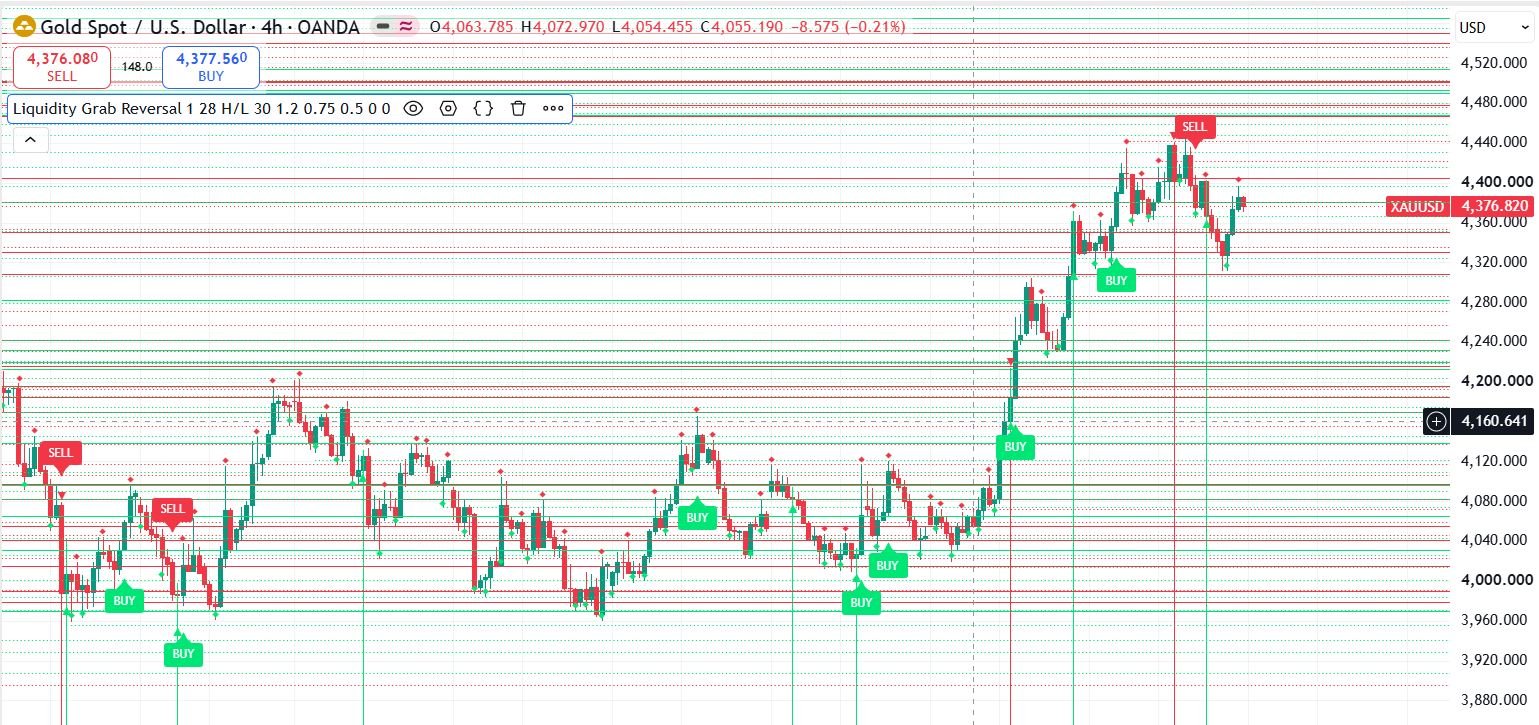
Pine Script to MT4/MT5 Conversion Planner
Analyze Pine strategies, repainting risk, TradingView alert bridges, MTF synchronization and the correct MQL4/MQL5 build path before paying for conversion.
Open planner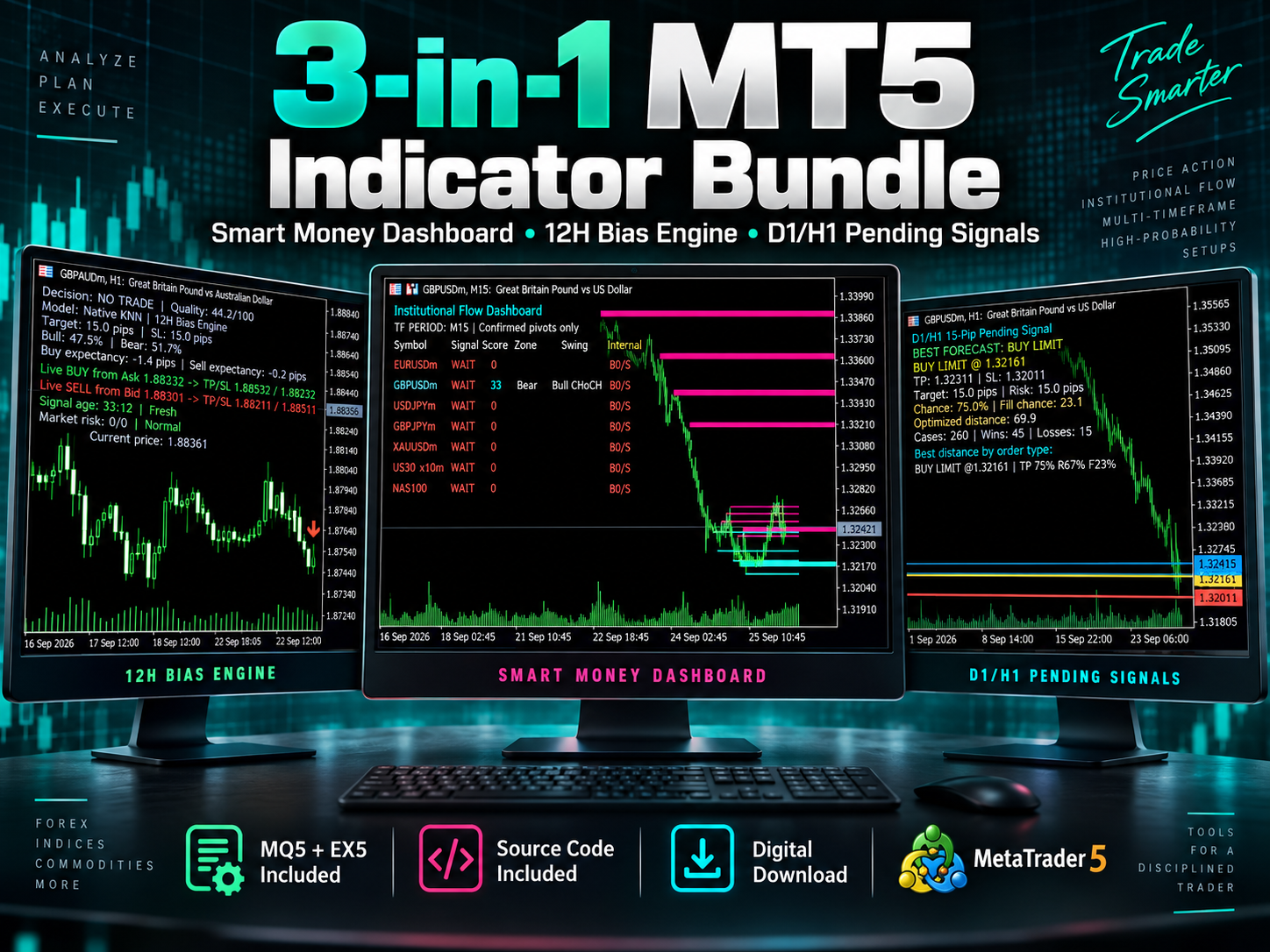
3-in-1 MT5 Indicator Bundle
12H Bias Engine, Smart Money Institutional Flow Dashboard and D1/H1 pending-signal logic with MQ5 + EX5 source included via Etsy.
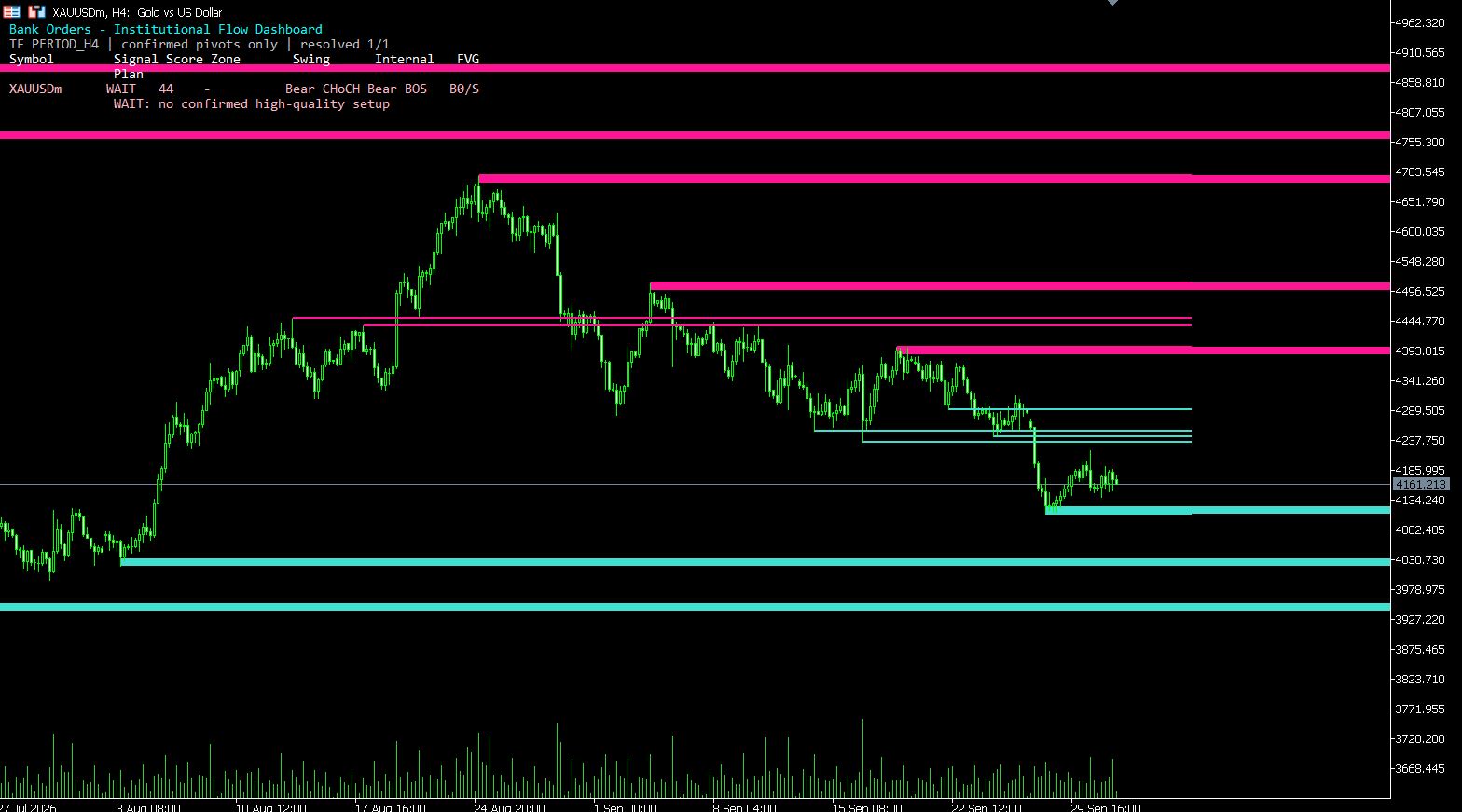
MT5 Bank Orders Institutional Flow Dashboard
Supply/demand zones, BOS/CHoCH, liquidity levels, FVG, equal highs/lows and confirmed trade-plan logic explained with EX5 download.
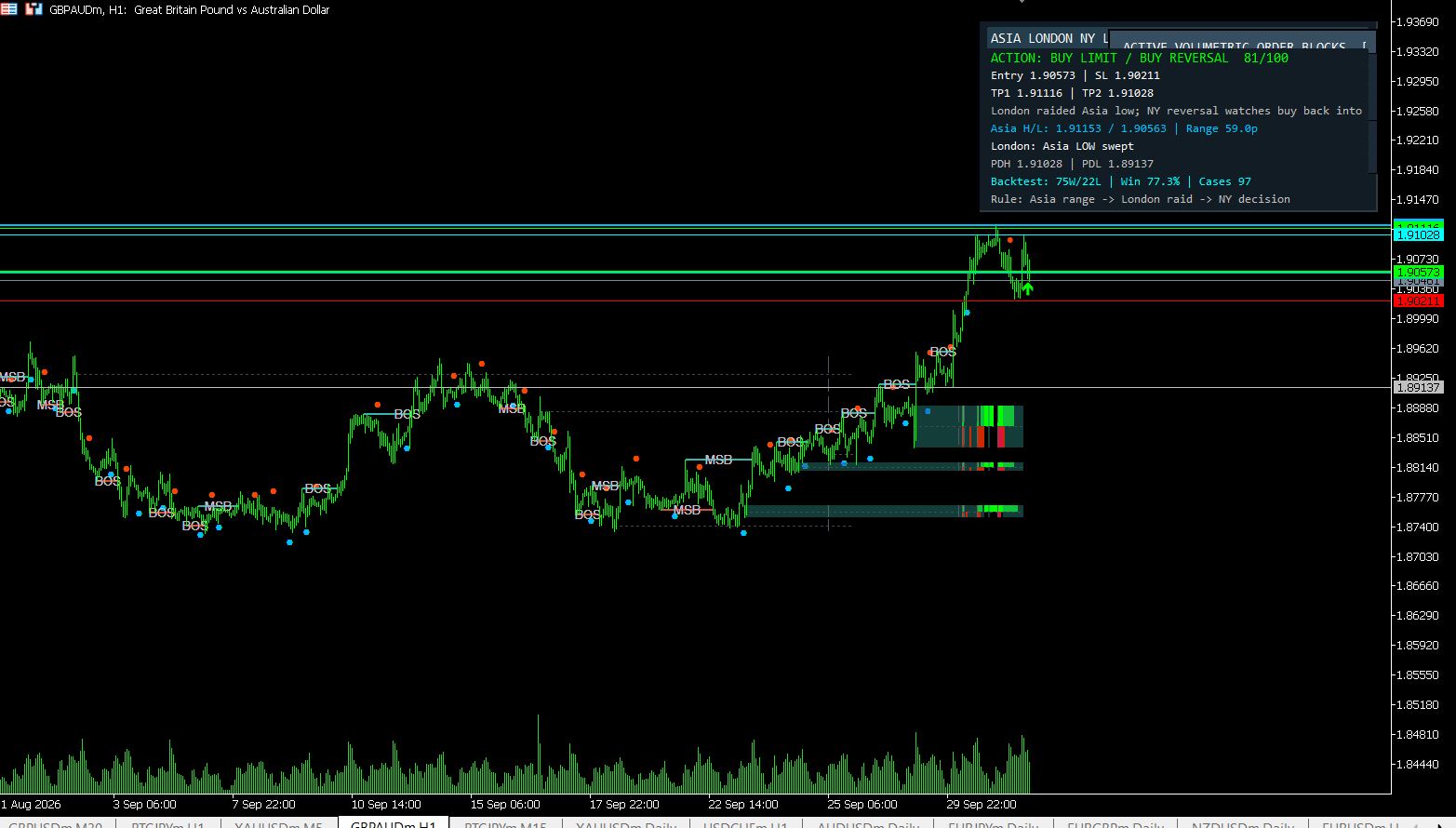
MT5 Asia London NY Liquidity Engine
Asia range, London raid and New York continuation/reversal planning with internal session backtest stats and entry/SL/TP dashboard.
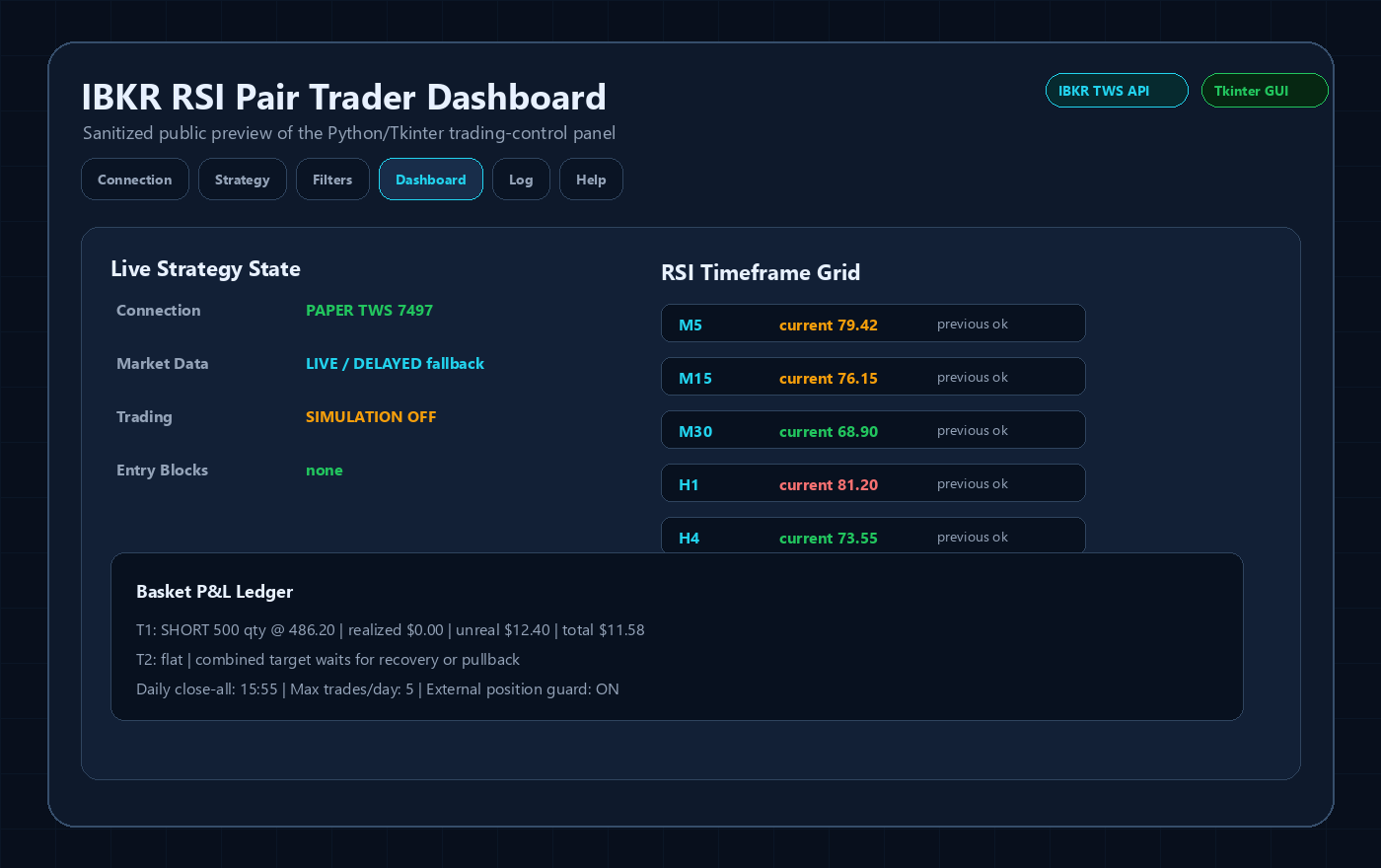
Interactive Brokers RSI Pair Trader
Tkinter desktop trading workflow, TWS API connection handling, RSI pair logic, risk controls and custom IBKR development positioning.
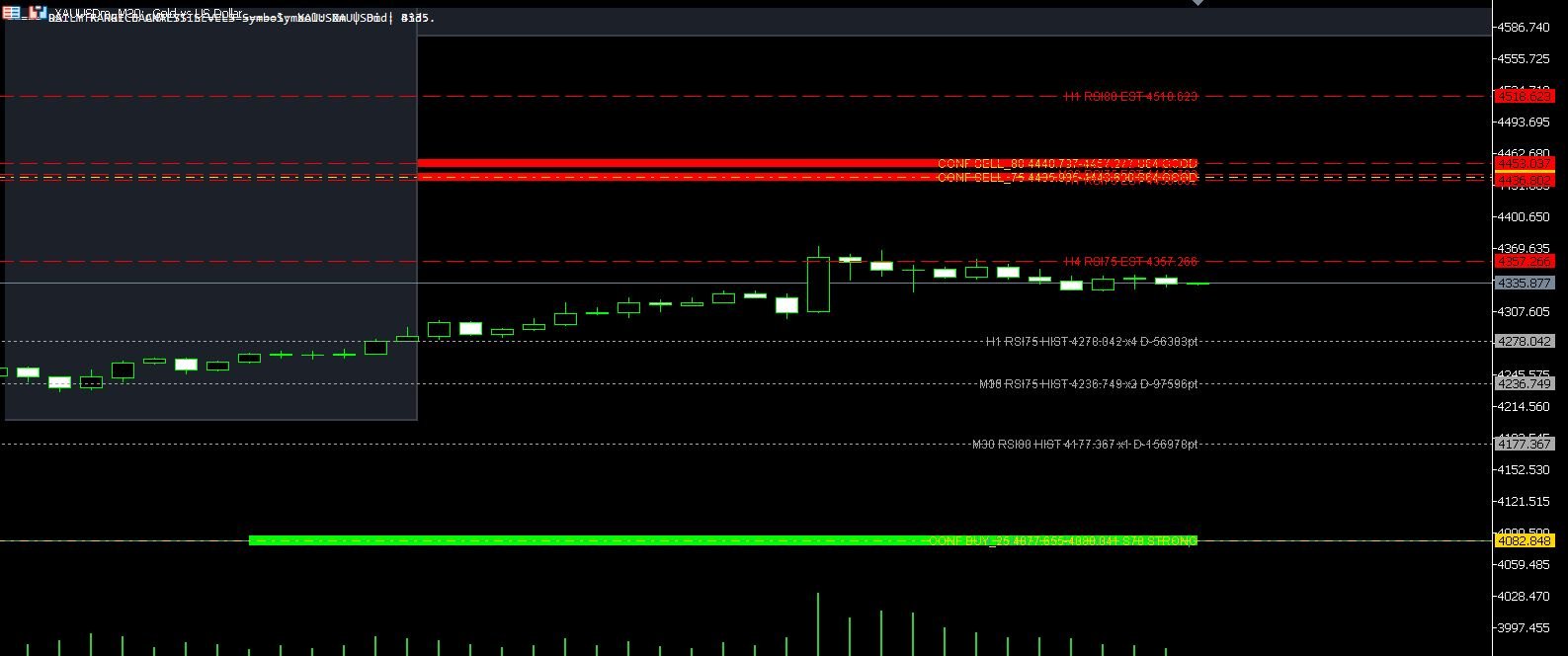
XAUUSD M30 CSV Data For Backtesting
Use clean MT5 historical data for Python backtests, strategy validation, spread checks and realistic gold EA research workflows.