Currency Strength Meter
30-day momentum of all 7 majors against the USD, computed from daily ECB reference rates. Positive = strengthening, negative = weakening. Data through 2026-10-14.
Methodology: ECB daily reference rates (EUR-based, via Frankfurter, free) → converted to a USD base → each currency's USD cross constructed (EURUSD = 1/R(EUR); USDJPY = R(JPY); etc.) → 30-calendar-day momentum = % change of the USD cross. A rising EURUSD means the EUR is strengthening; a falling USDJPY means the JPY is strengthening. Reference rates are informational, not transaction prices.
Intraday Momentum — Last 24 Hours
Intraday quotes from the public Yahoo Finance endpoint (hourly, cached 10 min, unofficial — no SLA). 30-day momentum remains ECB-based.
How To Trade The Strength Meter
The classic pair-trade: buy the strongest currency against the weakest. If AUD reads +1.1% and JPY reads −1.3%, AUDJPY carries the strongest directional bias on the board. Confirm with the correlation matrix to avoid taking three trades that are really one position.
Strength is momentum, not valuation — a strong currency can be overextended. Use it as a bias filter for entries, not as a signal by itself.
FAQ
What does the currency strength meter measure?
The percentage change of each currency against the USD over the last 30 calendar days, using daily ECB reference rates. It captures momentum and interest-rate differentials, not intraday flow.
How often is the data updated?
ECB reference rates publish every working day around 16:00 CET; the meter refreshes its cache every 6 hours.
Is the currency strength meter free?
Yes — free, no signup, no API key. The same data powers our free calculators and historical data library.
Trade Strength Automatically
Choose the next useful step
Most visitors arrive with one question: build, test, price, or trust. These shortcuts keep the path practical.
Go deeper before you build, download or automate
Hand-picked engineering articles, indicator breakdowns and trading-system tools so visitors keep exploring instead of leaving after one page.
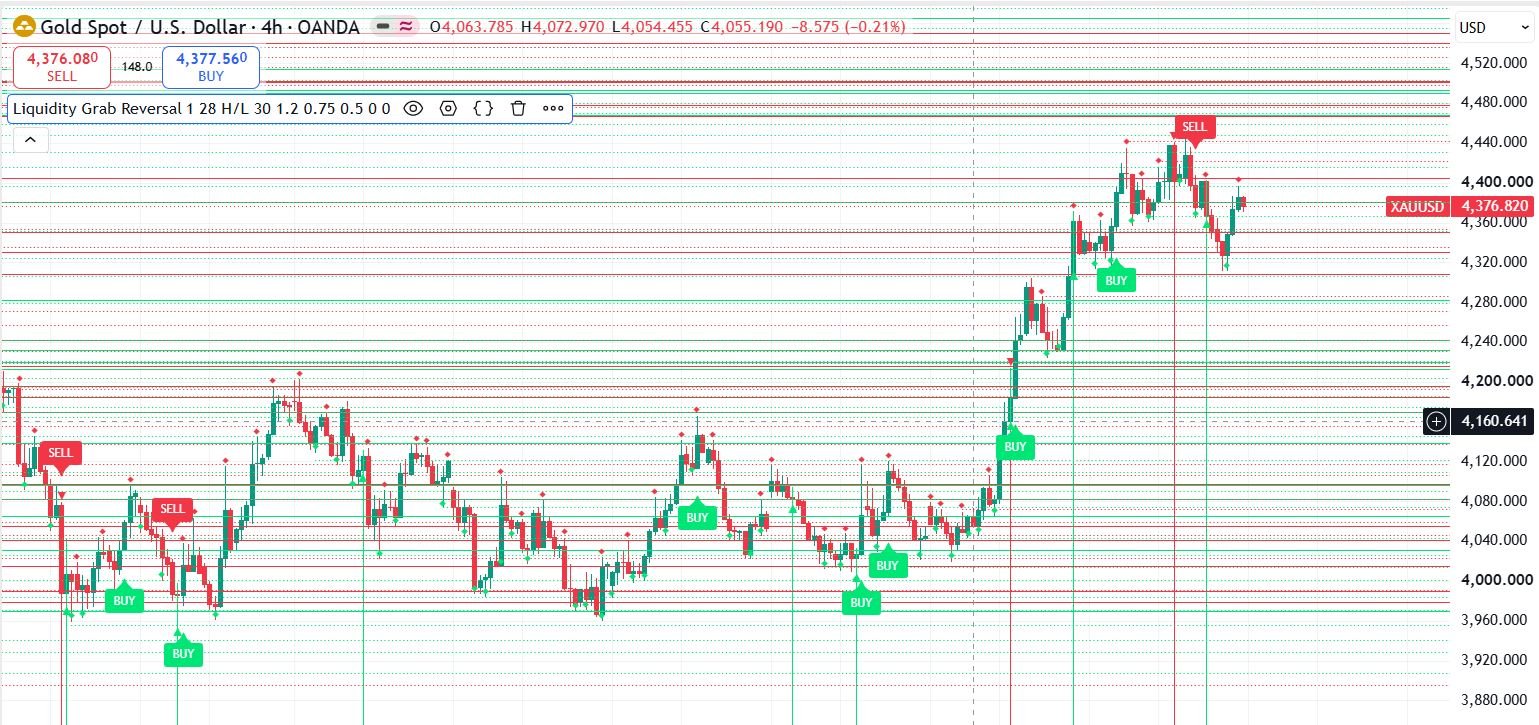
Pine Script to MT4/MT5 Conversion Planner
Analyze Pine strategies, repainting risk, TradingView alert bridges, MTF synchronization and the correct MQL4/MQL5 build path before paying for conversion.
Open planner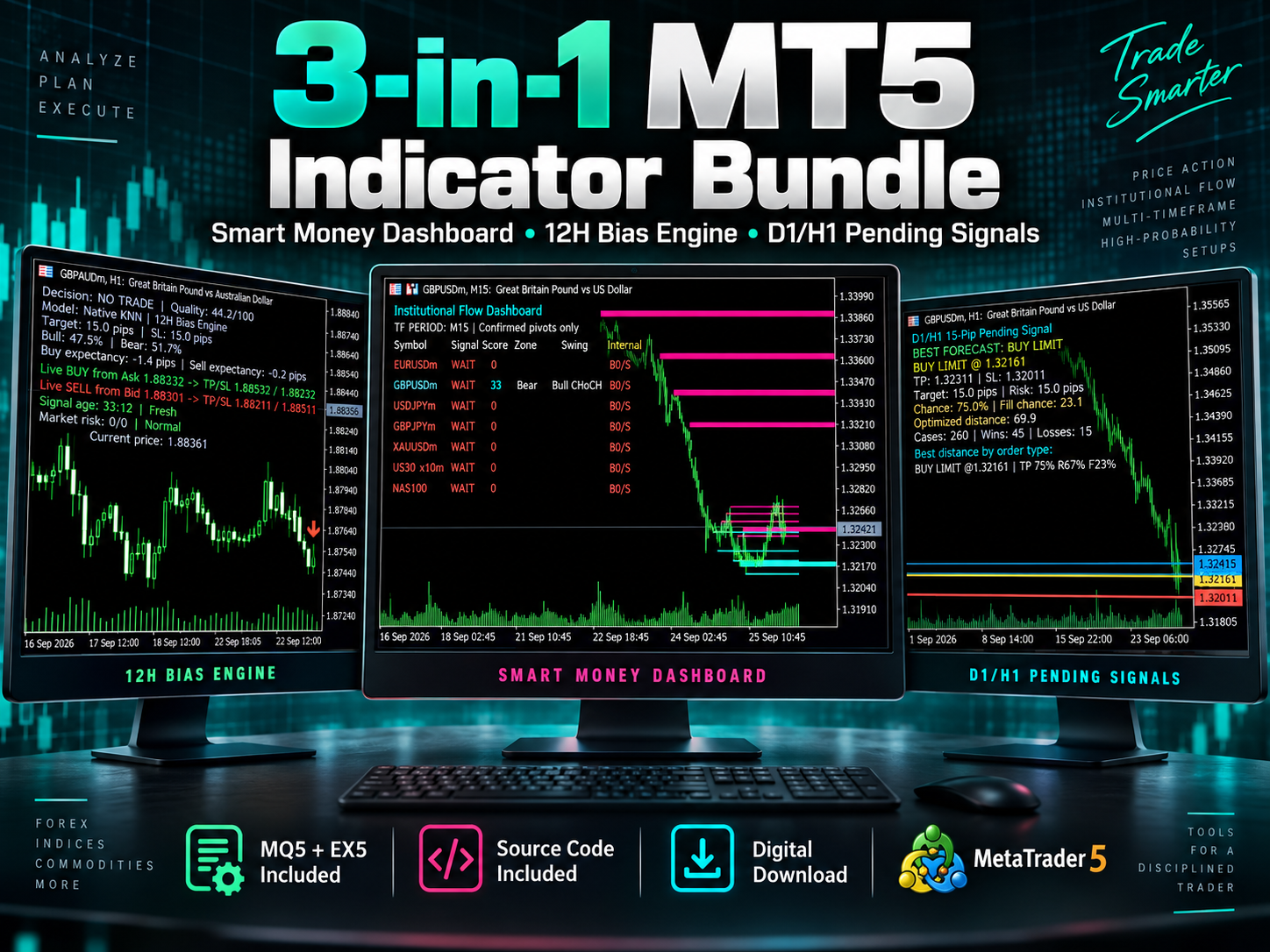
3-in-1 MT5 Indicator Bundle
12H Bias Engine, Smart Money Institutional Flow Dashboard and D1/H1 pending-signal logic with MQ5 + EX5 source included via Etsy.
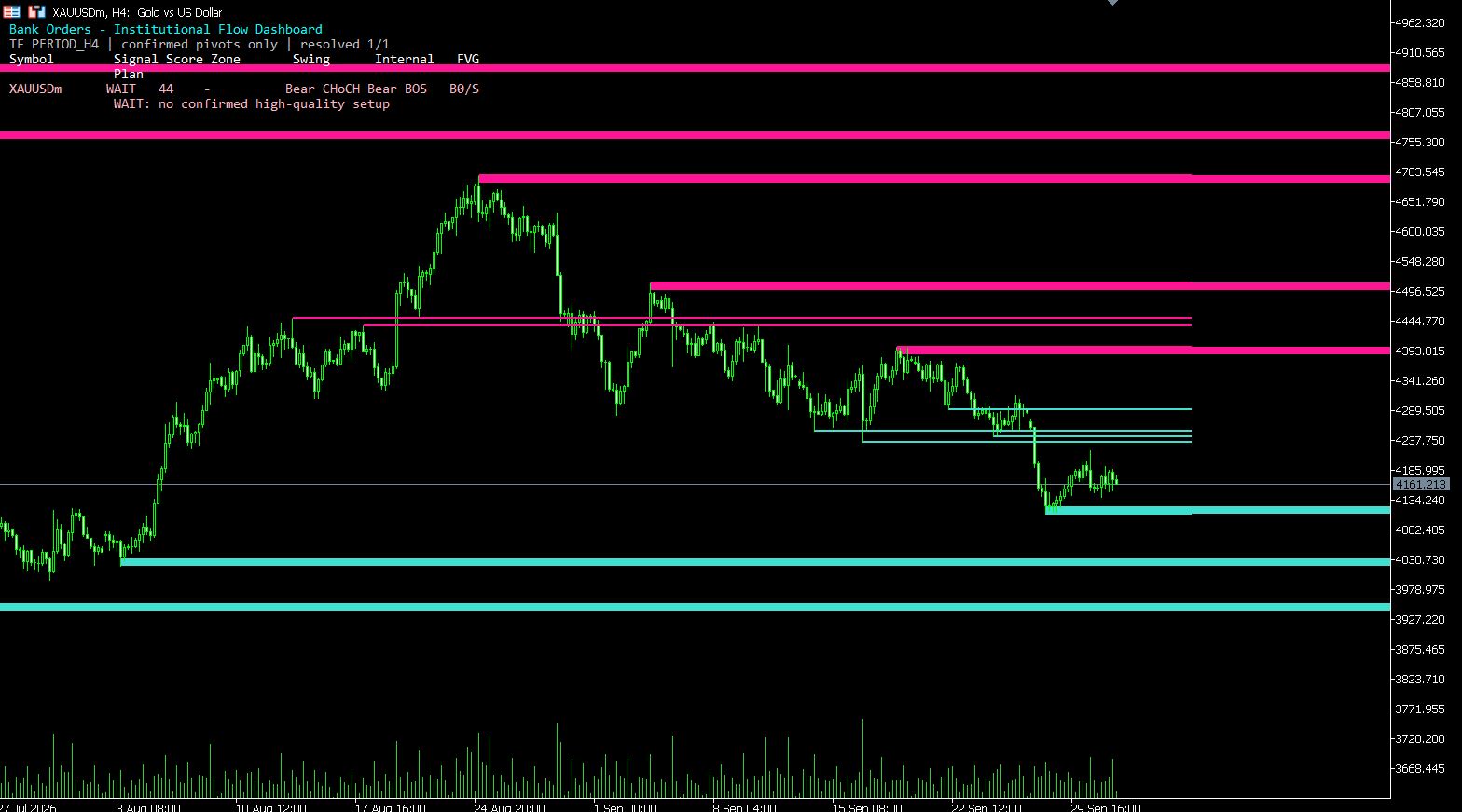
MT5 Bank Orders Institutional Flow Dashboard
Supply/demand zones, BOS/CHoCH, liquidity levels, FVG, equal highs/lows and confirmed trade-plan logic explained with EX5 download.
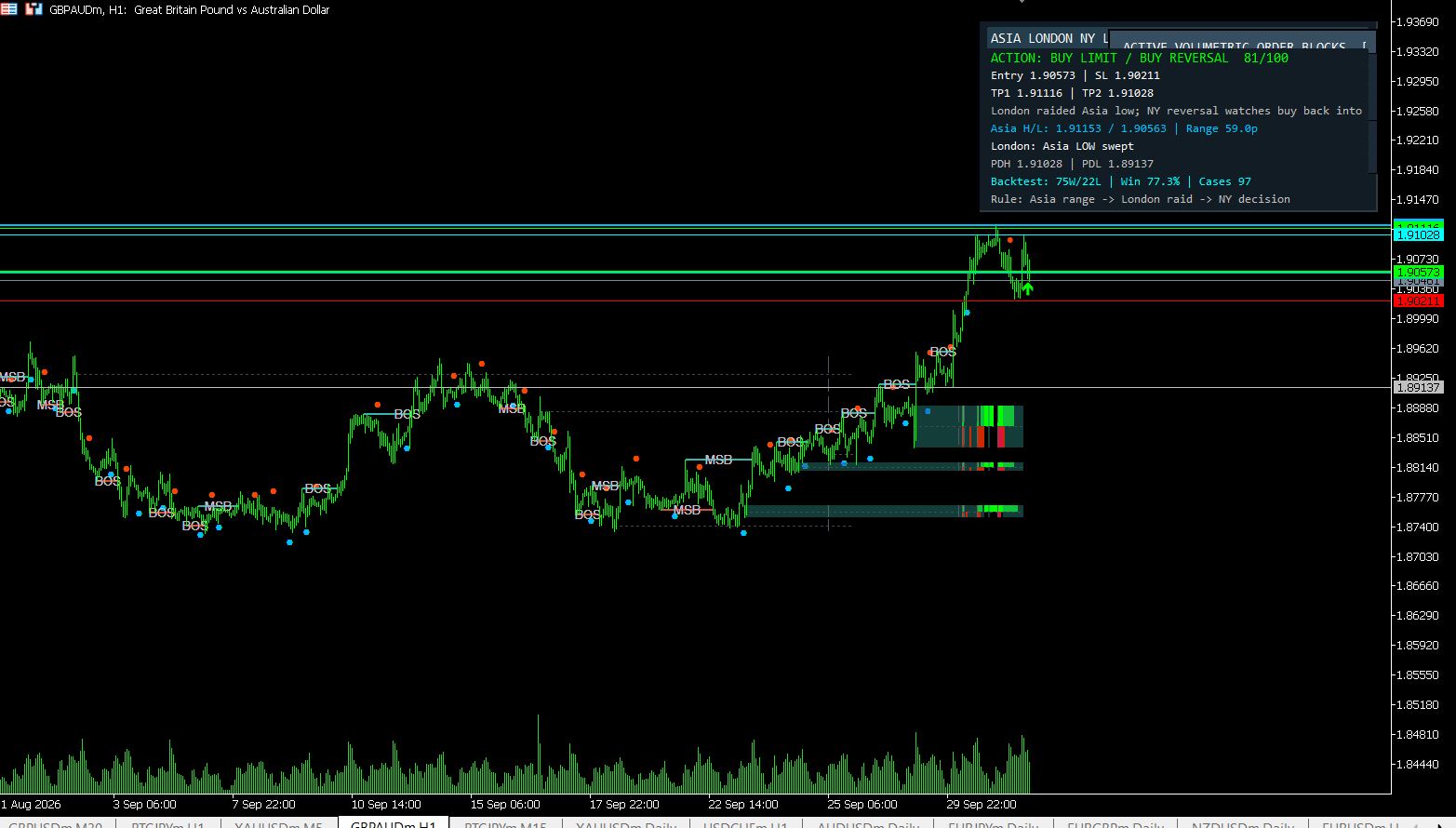
MT5 Asia London NY Liquidity Engine
Asia range, London raid and New York continuation/reversal planning with internal session backtest stats and entry/SL/TP dashboard.
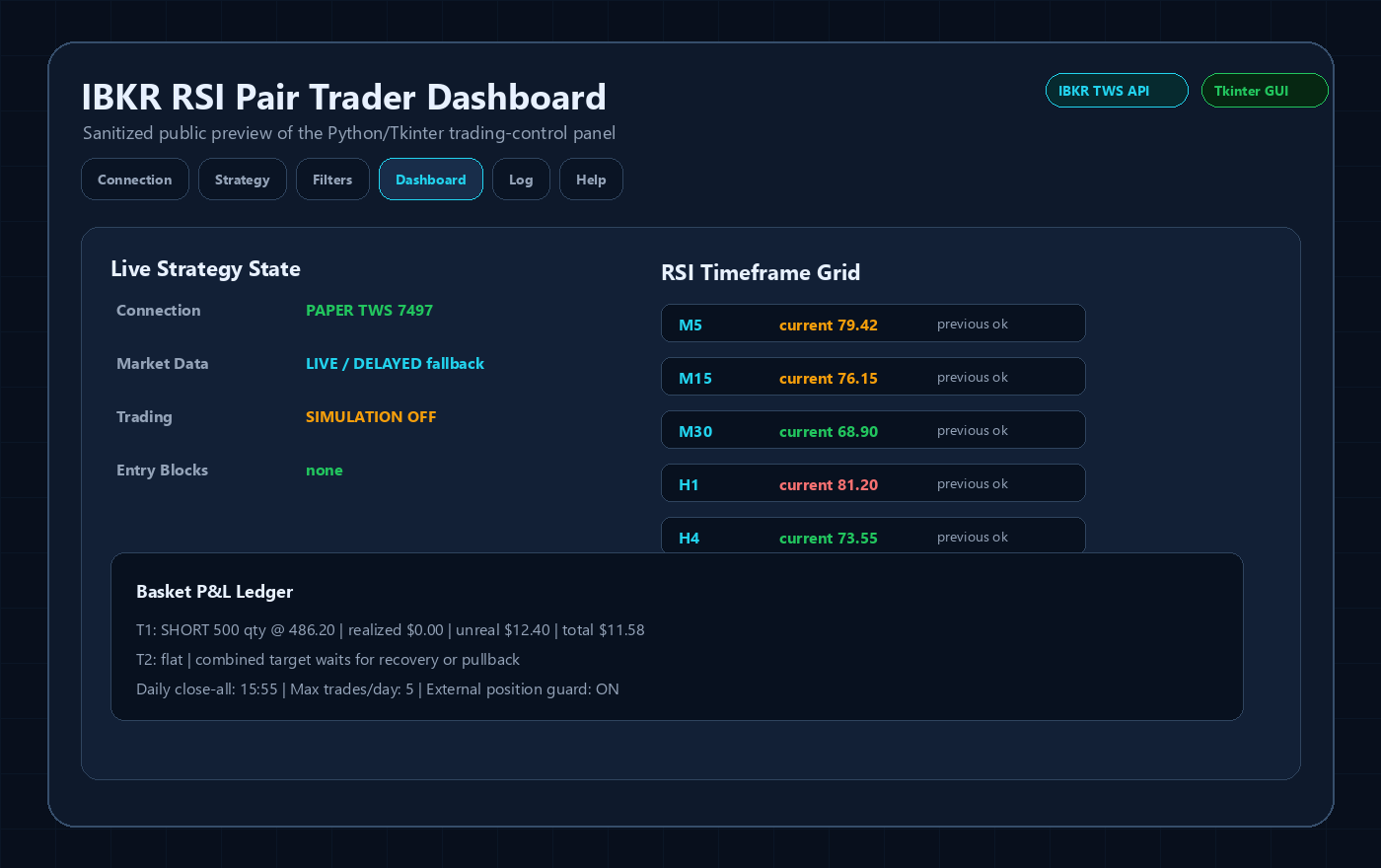
Interactive Brokers RSI Pair Trader
Tkinter desktop trading workflow, TWS API connection handling, RSI pair logic, risk controls and custom IBKR development positioning.
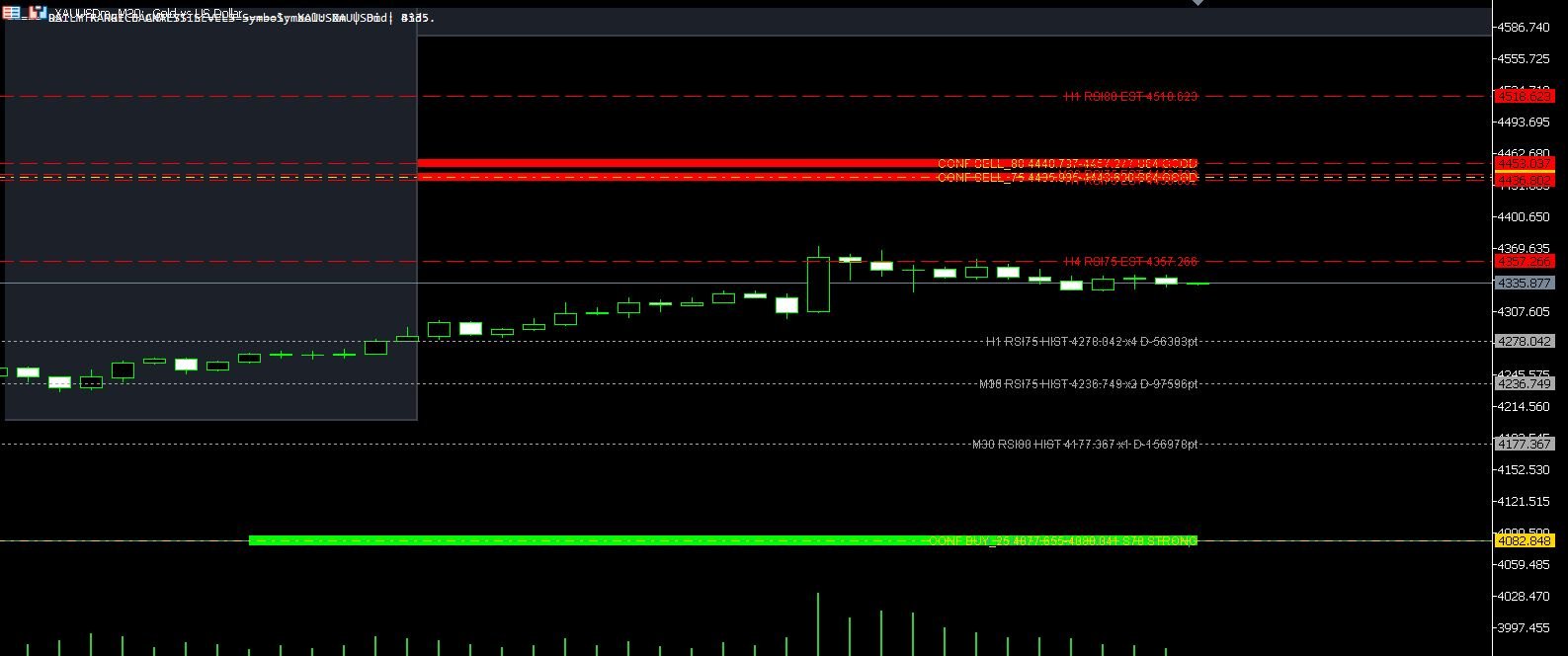
XAUUSD M30 CSV Data For Backtesting
Use clean MT5 historical data for Python backtests, strategy validation, spread checks and realistic gold EA research workflows.