Foundation gaps. Start with budgeting, emergency fund, credit score, and debt payoff pages before advanced topics.
High-demand finance quiz
Financial Literacy Test
Take a deeper financial literacy test that goes beyond a short trivia quiz. The questions cover budgeting, saving, credit, debt, mortgages, investing, retirement, inflation, risk, and applied finance calculations.
50-question master test
Mixed beginner to advanced topics
Weak-area score report
What This Financial Literacy Test Measures
A useful financial literacy score should show more than right or wrong answers. This test separates cash-flow basics, borrowing decisions, long-term investing, protection, and technical finance reasoning.
Working knowledge. Review weak categories, then move into mortgage, investing, inflation, and retirement quizzes.
Strong control. Challenge yourself with academic finance and calculation-heavy scenario questions.
Topic coverage map
Skills tested in this Financial Literacy Test
This page is not just a keyword page. The question mix is organized around measurable subtopics so learners can identify which area needs review.
4Credit Score4Budgeting4Student Loans4Investing Basics4Emergency Fund4Debt Management4Saving4Mortgages
Start the 50-Question Financial Literacy Test
Answer 50 questions. This test samples the full finance quiz bank and gives a practical score profile across money management, borrowing, investing, risk, and calculation topics.
Continue the Finance Quiz Path
One quiz gives a score. A cluster gives a learning map. Move from personal-finance basics into bachelor-level finance and calculation-heavy scenarios, then use the explanations to spot weak areas.
Hardest quiz
Open quiz Finance Scenario Calculations Quiz
82 applied calculation questions on NPV, WACC, CAPM, bonds, ratios, options, FX, margin, and valuation.
Bachelor level
Open quiz Academic Finance Quiz
Corporate finance, investments, capital budgeting, portfolio risk, derivatives, and financial statement interpretation.
Personal finance
Open quiz Credit Score Quiz
Payment history, utilization, inquiries, credit reports, disputes, and practical borrowing habits.
Money safety
Open quiz Emergency Fund Quiz
Cash reserve sizing, access, job-risk, deductibles, debt pressure, and refill discipline.
Quiz quality notes
Reviewed for educational accuracy and search usefulness
These finance pages are written as learning and practice material. They avoid personal recommendations, show explanations after answers, and separate general education from financial, tax, legal, or investment advice.
AlgoSpecial educational content team, maintained for site accuracy, formatting, and quiz logic.
Formula meaning, answer-key consistency, plain-language explanations, mobile usability, and no collection of sensitive financial data.
September 4, 2026. Finance rules can change, so official sources should be checked before real decisions.
Learning Path After This Quiz
These supporting guides give this quiz a stronger content cluster and help you review the exact ideas behind the questions.
Budgeting Mistakes to Avoid
A practical guide to the budgeting mistakes that quietly break monthly cash flow, savings goals, and debt payoff plans.
Read guideHow Credit Utilization Affects Your Score
Understand why revolving balances, limits, statement timing, and reported utilization can change credit-score outcomes.
Read guideCompound Interest Examples
Simple examples showing how compounding changes savings growth, debt cost, inflation-adjusted returns, and long-term outcomes.
Read guideWhy a 50-Question Financial Literacy Test Works Better
Short financial literacy quizzes are easy to finish, but they often miss topic gaps. A 50-question mixed test gives a broader signal while still remaining practical for mobile users.
Cash-Flow Decisions
Budgeting, emergency savings, debt payoff, and credit utilization show whether day-to-day money choices are stable.
Borrowing and Housing
Credit score, mortgage ratios, PMI, student loans, and interest behavior show how borrowing cost and approval risk connect.
Long-Term Finance
Investing, retirement, inflation, compounding, and risk tolerance show whether a plan can survive time and uncertainty.
Financial Literacy Test FAQ
What is a financial literacy test?
A financial literacy test checks understanding of practical money topics such as budgeting, saving, credit, debt, investing, inflation, retirement, and risk.
Is this financial literacy quiz free?
Yes. The test is free, and answer explanations are shown during the quiz.
How many questions are in this test?
This page uses 50 mixed questions from the AlgoSpecial finance quiz bank.
Is this personal finance test financial advice?
No. It is educational practice only and should not be treated as financial, investment, tax, legal, or academic cheating advice.
What should I do after the test?
Review the weak-area breakdown, read the matching learning guides, and take focused quizzes for the lowest-scoring topics.
Continue Your Build
Choose the next useful step
Most visitors arrive with one question: build, test, price, or trust. These shortcuts keep the path practical.
Trust
Client Reviews
See verified feedback before hiring a solo MT4/MT5 developer.
Proof
Case Studies
Review dashboards, backtests, overlays and market-structure builds.
Tools
Free Calculators
Check pip value, lot size, drawdown, spread, swap and prop-firm risk.
Build
EA Development
Turn the idea into MQL4/MQL5 code with source and testing.
Technical reading path
Go deeper before you build, download or automate
Hand-picked engineering articles, indicator breakdowns and trading-system tools so visitors keep exploring instead of leaving after one page.
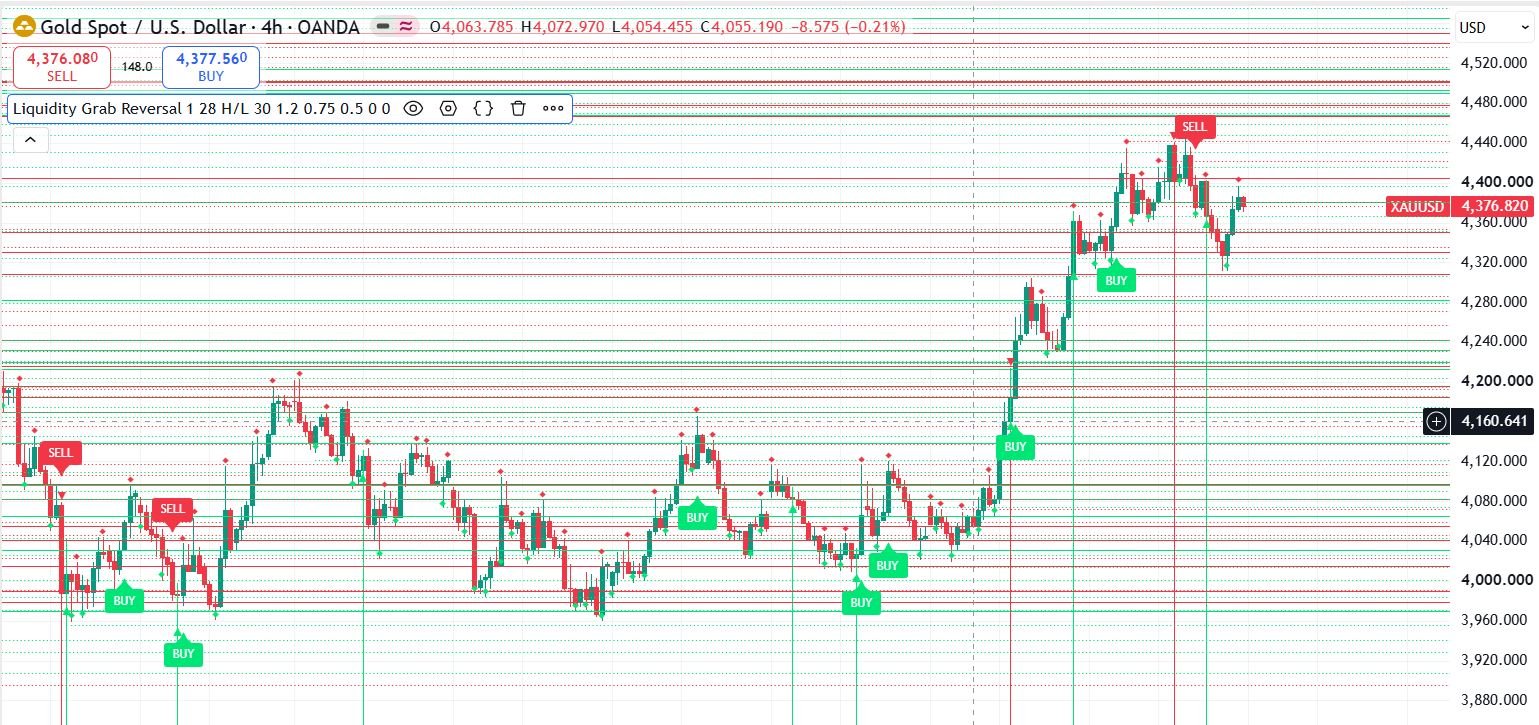
Conversion Architecture
Pine Script to MT4/MT5 Conversion Planner
Analyze Pine strategies, repainting risk, TradingView alert bridges, MTF synchronization and the correct MQL4/MQL5 build path before paying for conversion.
Open planner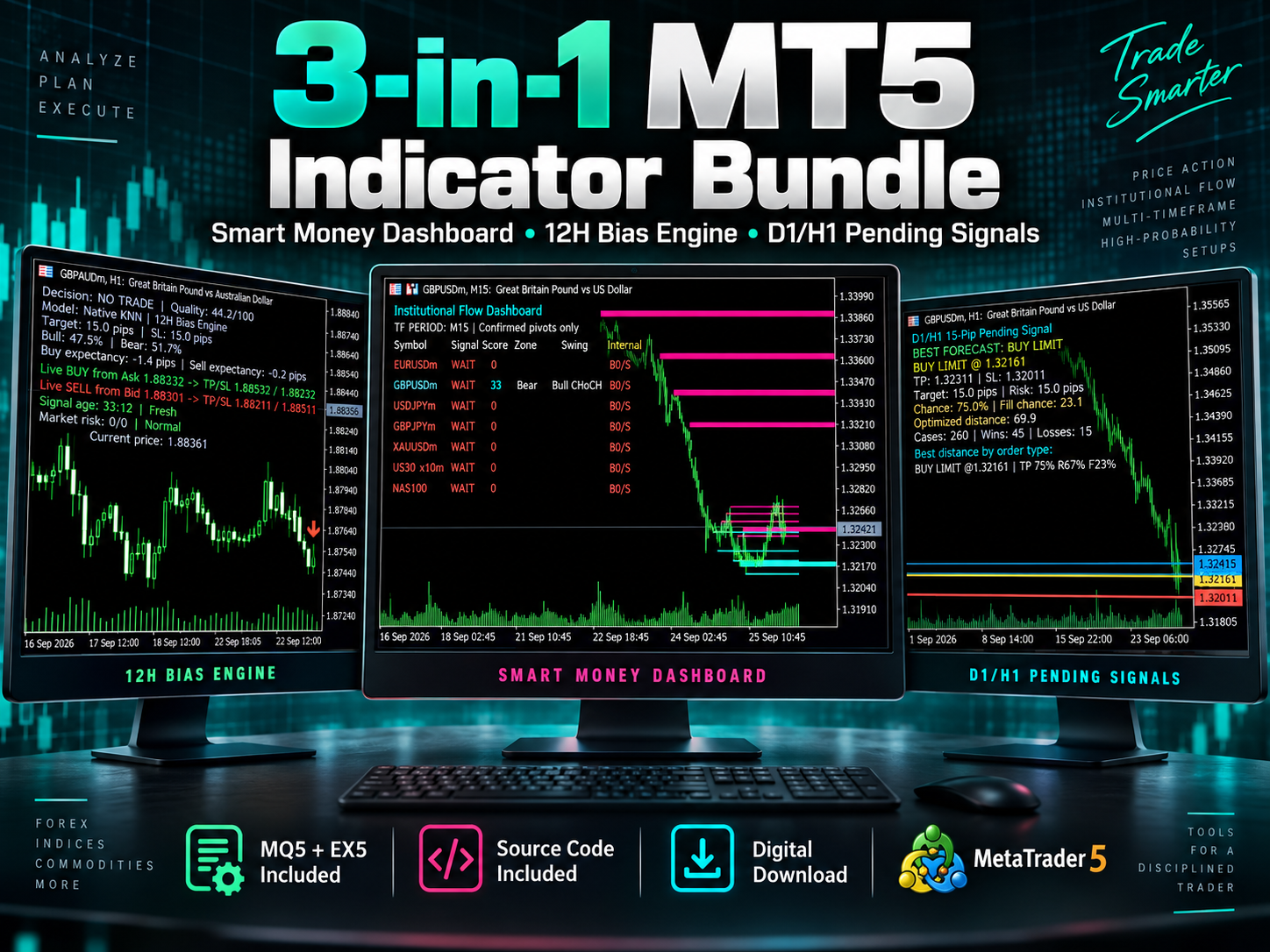
Source-Code Bundle
3-in-1 MT5 Indicator Bundle
12H Bias Engine, Smart Money Institutional Flow Dashboard and D1/H1 pending-signal logic with MQ5 + EX5 source included via Etsy.
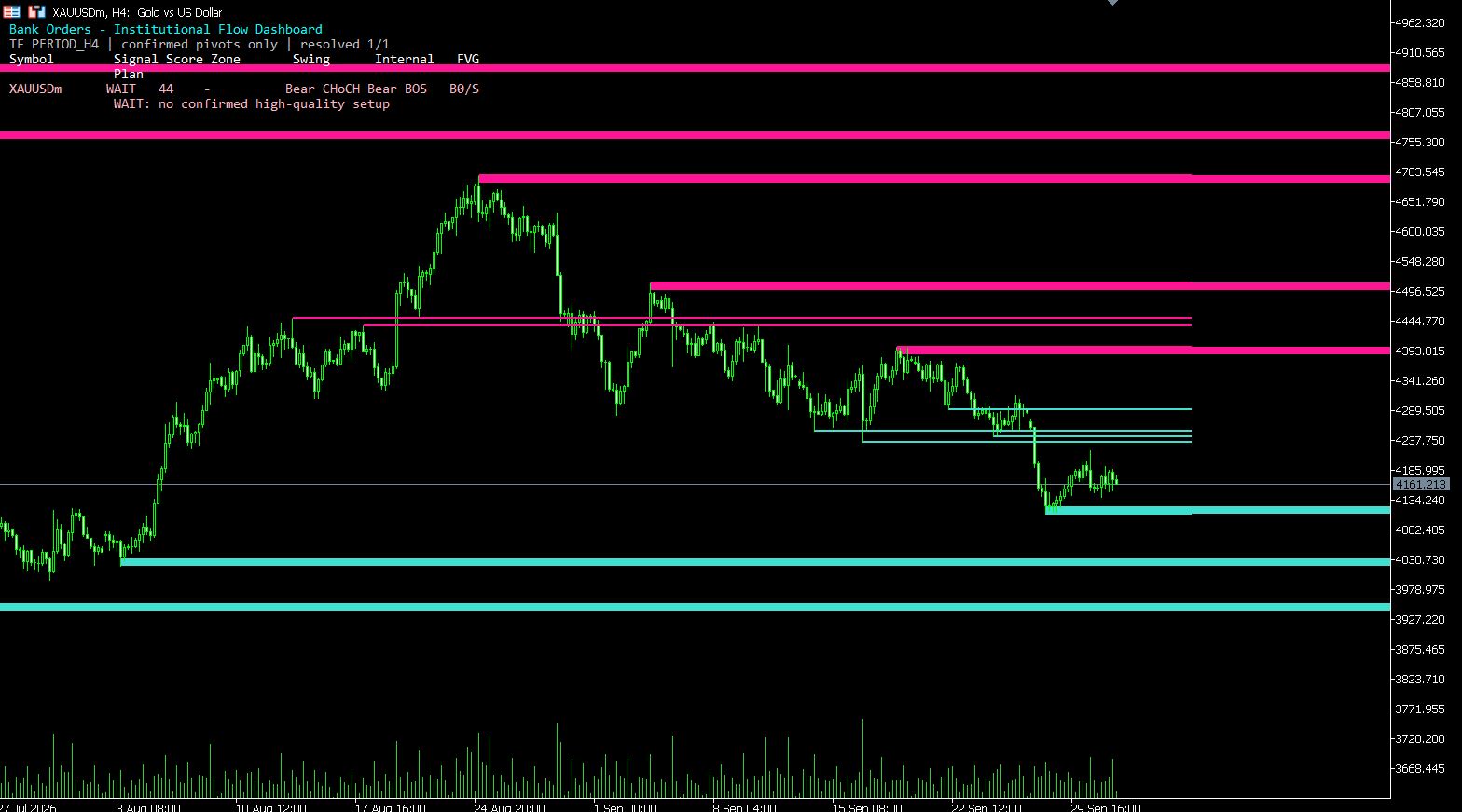
Free Indicator
MT5 Bank Orders Institutional Flow Dashboard
Supply/demand zones, BOS/CHoCH, liquidity levels, FVG, equal highs/lows and confirmed trade-plan logic explained with EX5 download.
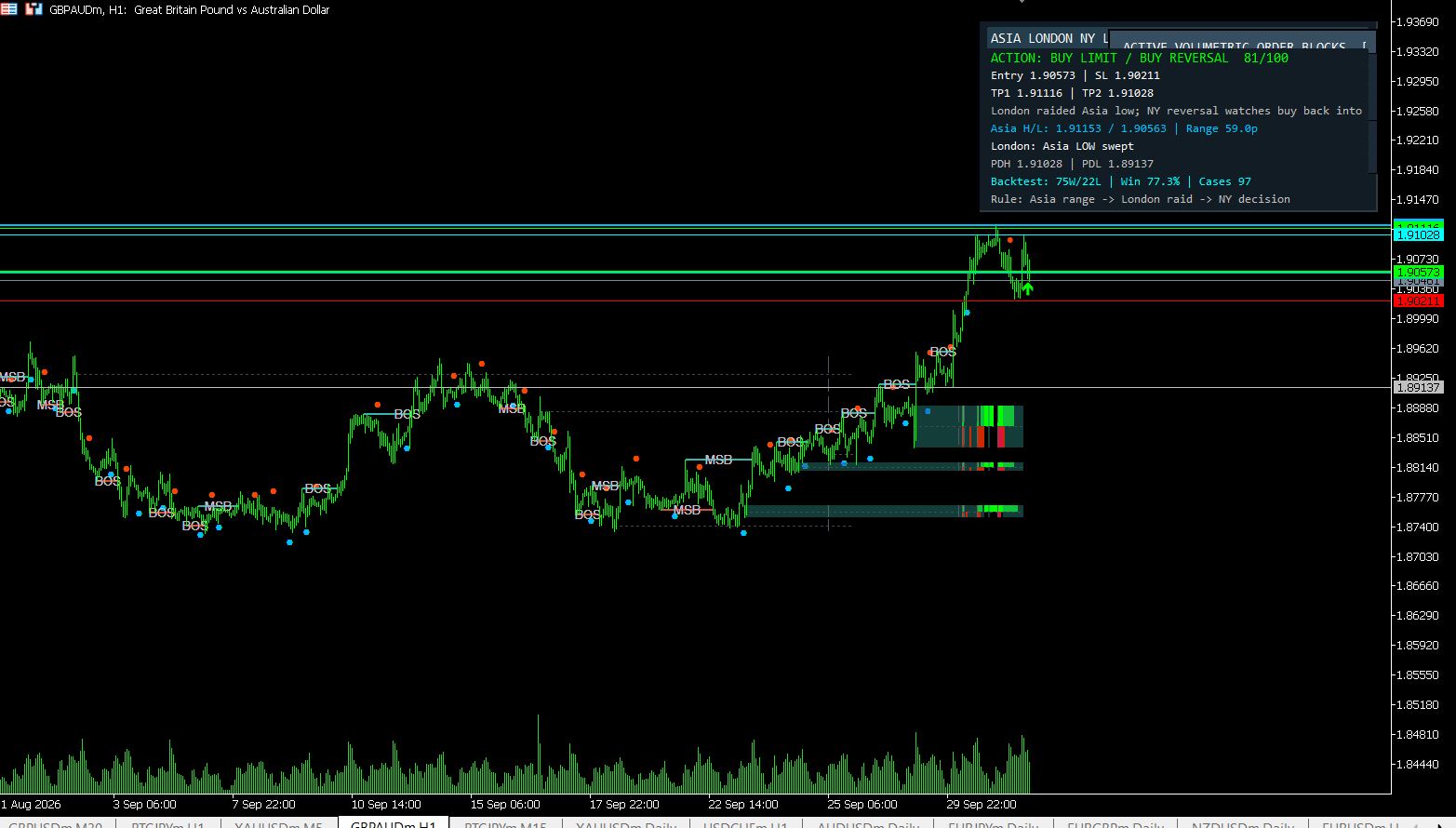
Session Liquidity
MT5 Asia London NY Liquidity Engine
Asia range, London raid and New York continuation/reversal planning with internal session backtest stats and entry/SL/TP dashboard.
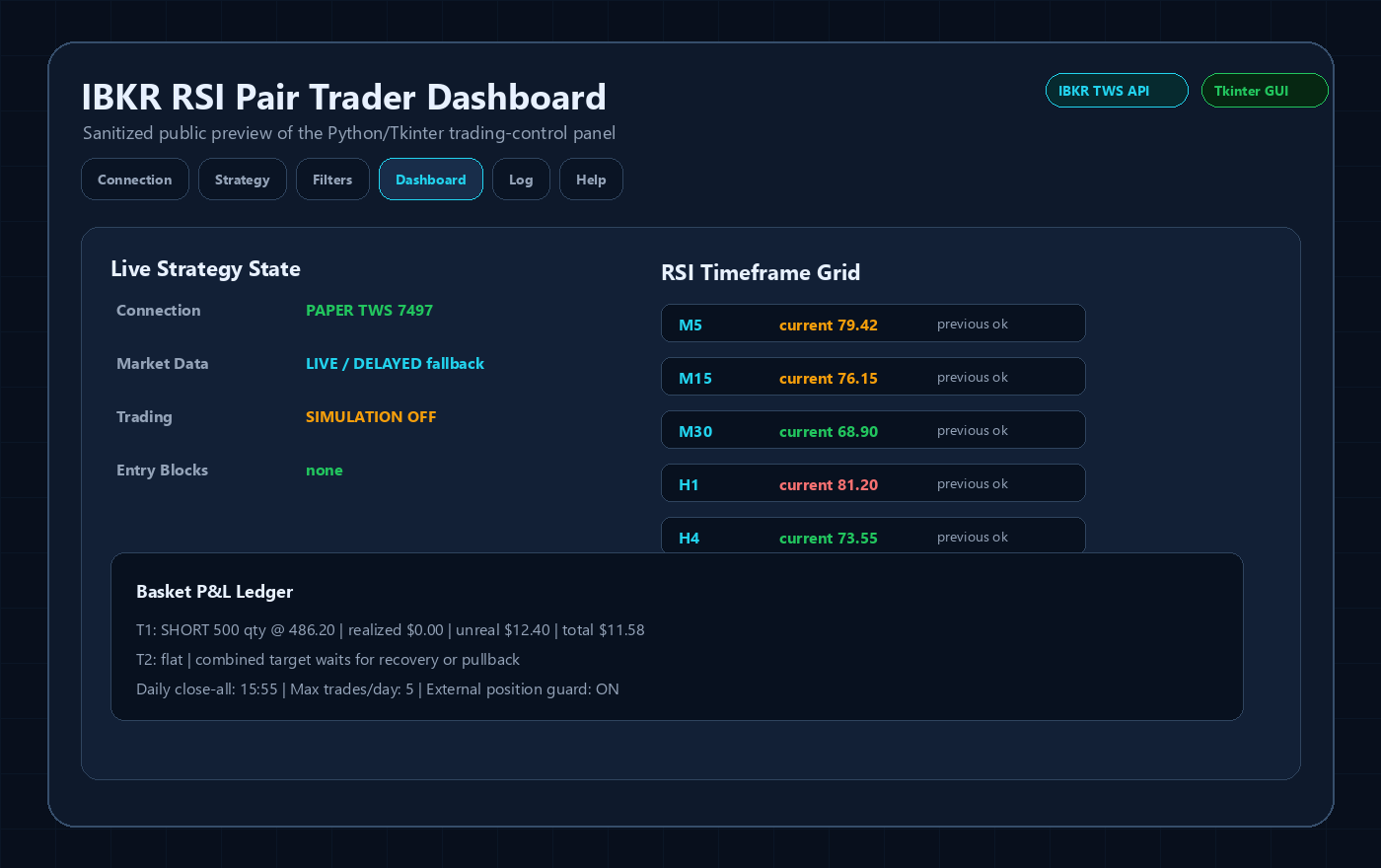
Python Trading App
Interactive Brokers RSI Pair Trader
Tkinter desktop trading workflow, TWS API connection handling, RSI pair logic, risk controls and custom IBKR development positioning.
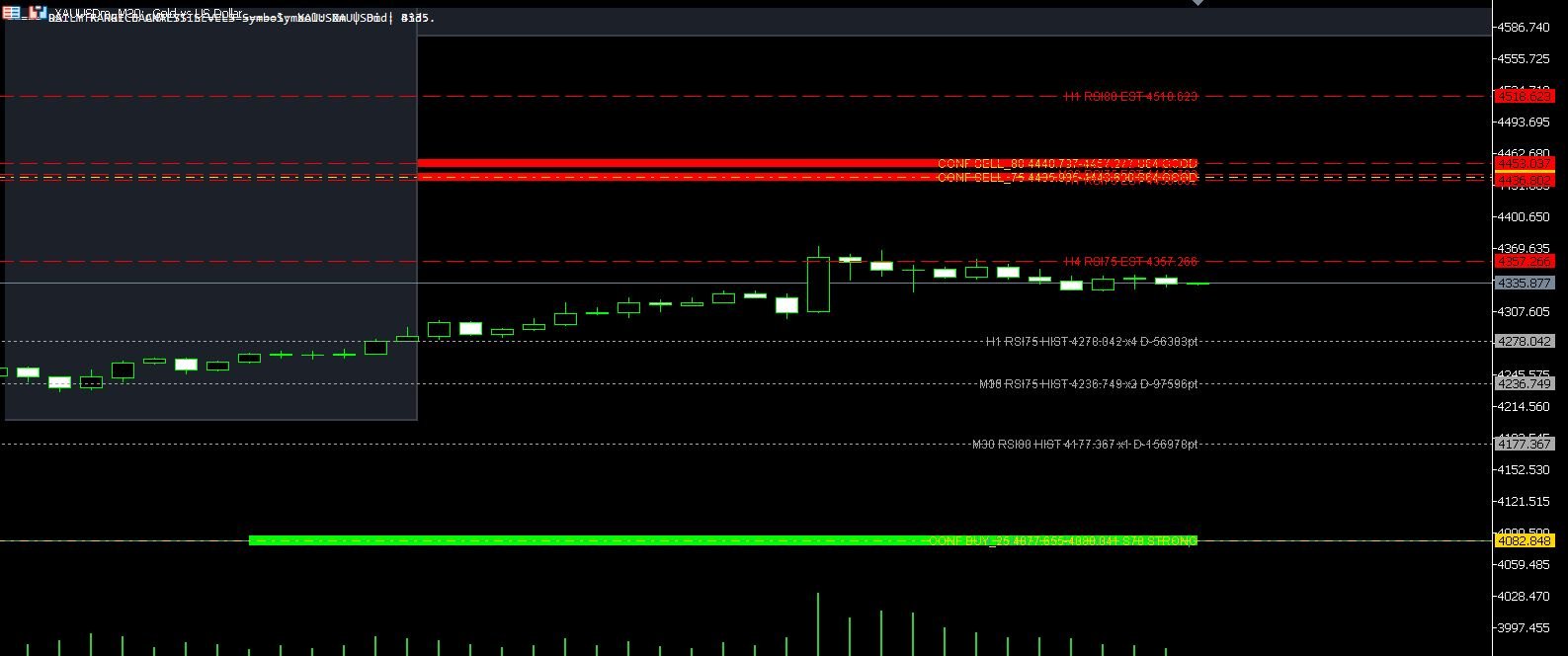
Historical Data
XAUUSD M30 CSV Data For Backtesting
Use clean MT5 historical data for Python backtests, strategy validation, spread checks and realistic gold EA research workflows.