Forex Trading Guidelines › Guideline 14
Why Martingale Fails in Forex: The Math Behind the Blow-Up
How Martingale Works (And Looks Great at First)
Classic martingale: after every loss, double the next position. One win recovers all previous losses plus a small profit. On a 50/50 coin flip with unlimited money, it "always wins" — but no account has unlimited money. The flaw is exactly that: you need a win before the streak runs out of capital.
| Loss # | Position size (starting 0.01) | Cumulative loss so far |
|---|---|---|
| 1 | 0.01 | -$10 |
| 2 | 0.02 | -$30 |
| 3 | 0.04 | -$70 |
| 4 | 0.08 | -$150 |
| 5 | 0.16 | -$310 |
| 6 | 0.32 | -$630 |
| 7 | 0.64 | -$1,270 |
| 8 | 1.28 | -$2,550 |
| 9 | 2.56 | -$5,110 |
| 10 | 5.12 | -$10,230 |
After 10 losses, a strategy that started at 0.01 lots owes $10,230 — a $1,000 account is long gone at loss #7. This is why martingale backtests look like a miracle: the equity curve climbs steadily for months, then goes vertical, down.
The Probability of the Fatal Streak (It Is Not Rare)
Martingale gamblers believe long losing streaks are "impossible". They are not — in forex they are inevitable, because losing streaks are clustered (trends, volatility regimes) and the odds are not 50/50:
| Win rate | Chance of 6 losses in a row | Chance of 8 losses in a row | Chance of 10 losses in a row |
|---|---|---|---|
| 50% | 1 in 64 trades | 1 in 256 | 1 in 1,024 |
| 40% | 1 in 24 | 1 in 60 | 1 in 152 |
| 30% | 1 in 11 | 1 in 29 | 1 in 77 |
A trader with 40% win rate who takes 5 trades a day hits an 8-loss streak roughly every 12 trading days. In a market where losses cluster (Friday afternoons, news events, regime changes), it comes even faster. The martingale account is not waiting to die — it is already dead, it just has not had the streak yet.
Grid and Averaging Down Are the Same Disease
- Averaging down: buying more of a losing position to lower the average entry. In a trend, every add is another loss compounding at larger size. "It will come back" is a hope, not a plan.
- Grid trading: placing buy/sell orders at fixed intervals. In range markets it grinds profit; in trends it accumulates a full-directional position against you until margin dies.
- Hedging a loser: opening the opposite trade to freeze a loss is just martingale with extra steps — the combined position is a one-way bet with the same streak risk.
What Replaces Martingale: The Boring Math That Works
A fixed-risk system survives streaks by construction: at 1% risk, 8 consecutive losses cost ~8%. No recovery needed — the next trades simply continue. That is the entire advantage: survival is the edge. Fixed risk + a real 9-part strategy (Guideline 11) + journal proof (Guideline 12) is the slow, compounding, unglamorous alternative. The 90% of traders who fail are mostly people who chose the fast curve.
Trade the Rules, Not the Streaks
FAQ
Does martingale work in forex?
Martingale works until it catastrophically doesn't. It produces a steady stream of small wins interrupted by one blow-up. Over enough trades, the blow-up is guaranteed by probability, not bad luck.
Why do martingale backtests look profitable?
Because the fatal streak did not occur inside the tested period. The backtest shows the same equity curve a casino gambler sees: smooth gains, then the vertical drop the moment the streak arrives.
Is averaging down ever a good idea?
Only if the add is a fresh, valid setup on its own — the same entry criteria as the original trade, same stop discipline. "It will come back" averaging is martingale in disguise and has the same streak risk.
Why do EAs use martingale?
Because it backtests beautifully and sells well — buyers see the smooth curve, not the terminal drop. It is the most common reason retail EAs blow up. Guideline 18 of the EA rules bans it outright.
Choose the next useful step
Most visitors arrive with one question: build, test, price, or trust. These shortcuts keep the path practical.
Go deeper before you build, download or automate
Hand-picked engineering articles, indicator breakdowns and trading-system tools so visitors keep exploring instead of leaving after one page.
Pine Script to MT4/MT5 Conversion Planner
Analyze Pine strategies, repainting risk, TradingView alert bridges, MTF synchronization and the correct MQL4/MQL5 build path before paying for conversion.
Open planner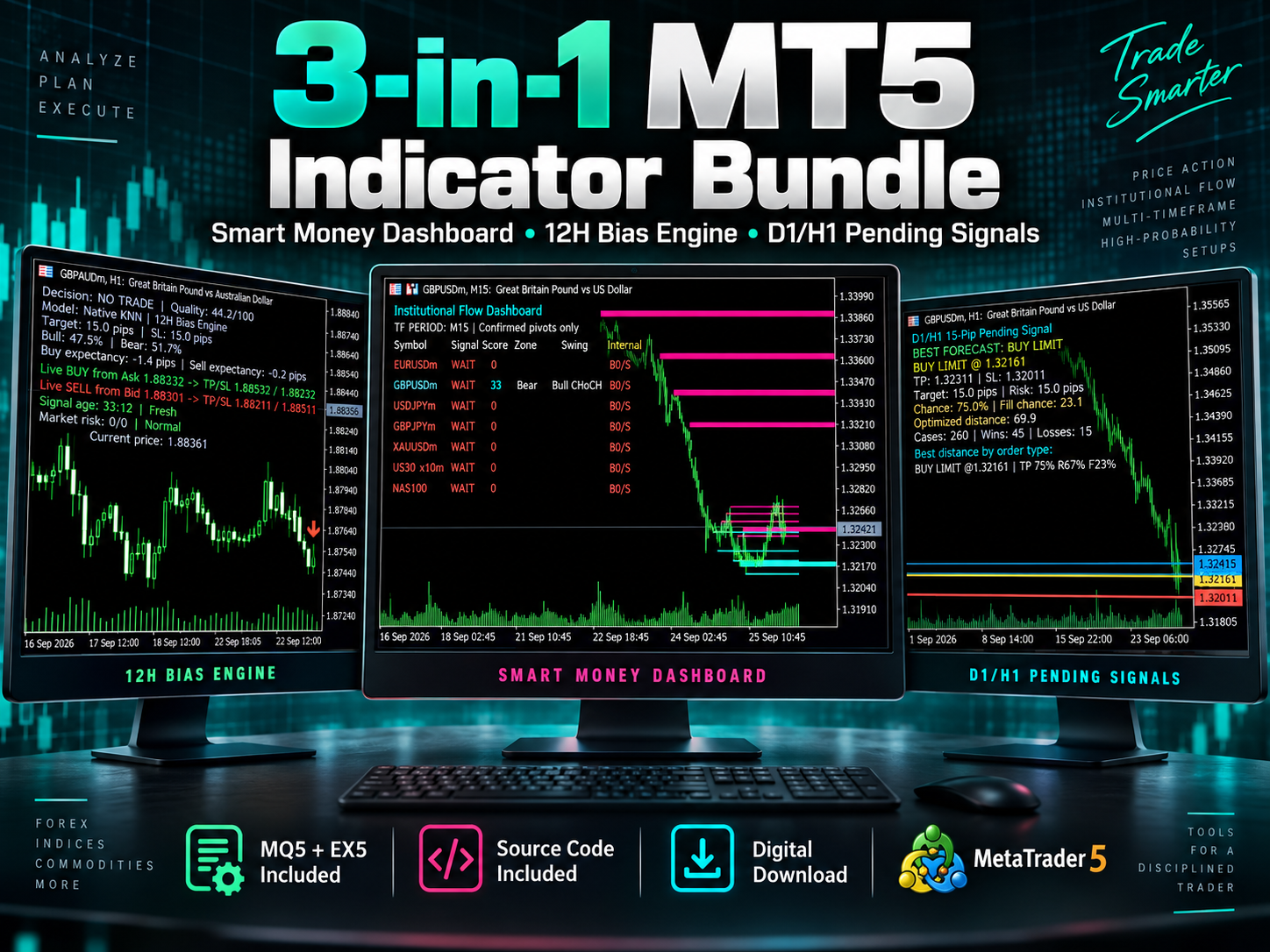
3-in-1 MT5 Indicator Bundle
12H Bias Engine, Smart Money Institutional Flow Dashboard and D1/H1 pending-signal logic with MQ5 + EX5 source included via Etsy.
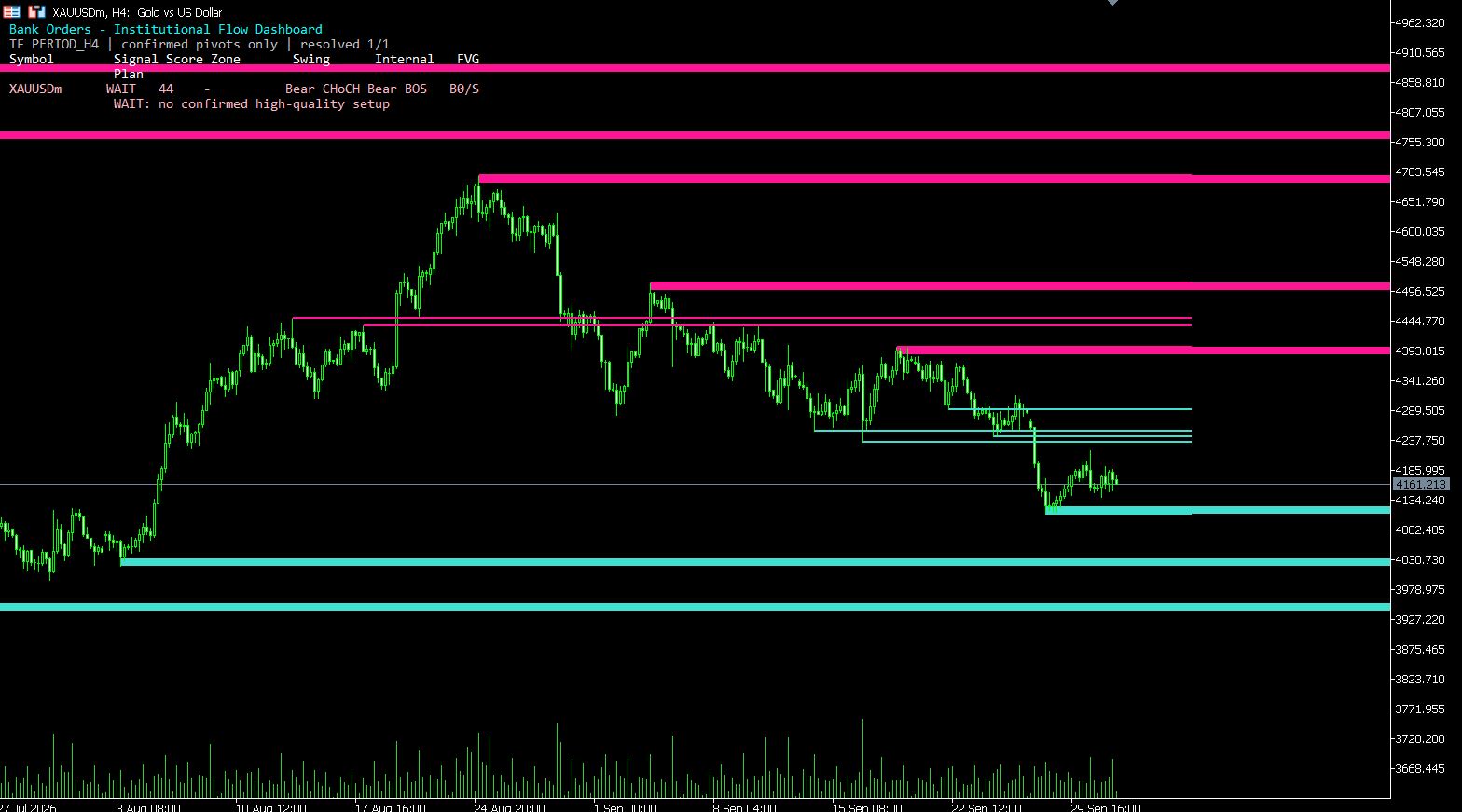
MT5 Bank Orders Institutional Flow Dashboard
Supply/demand zones, BOS/CHoCH, liquidity levels, FVG, equal highs/lows and confirmed trade-plan logic explained with EX5 download.
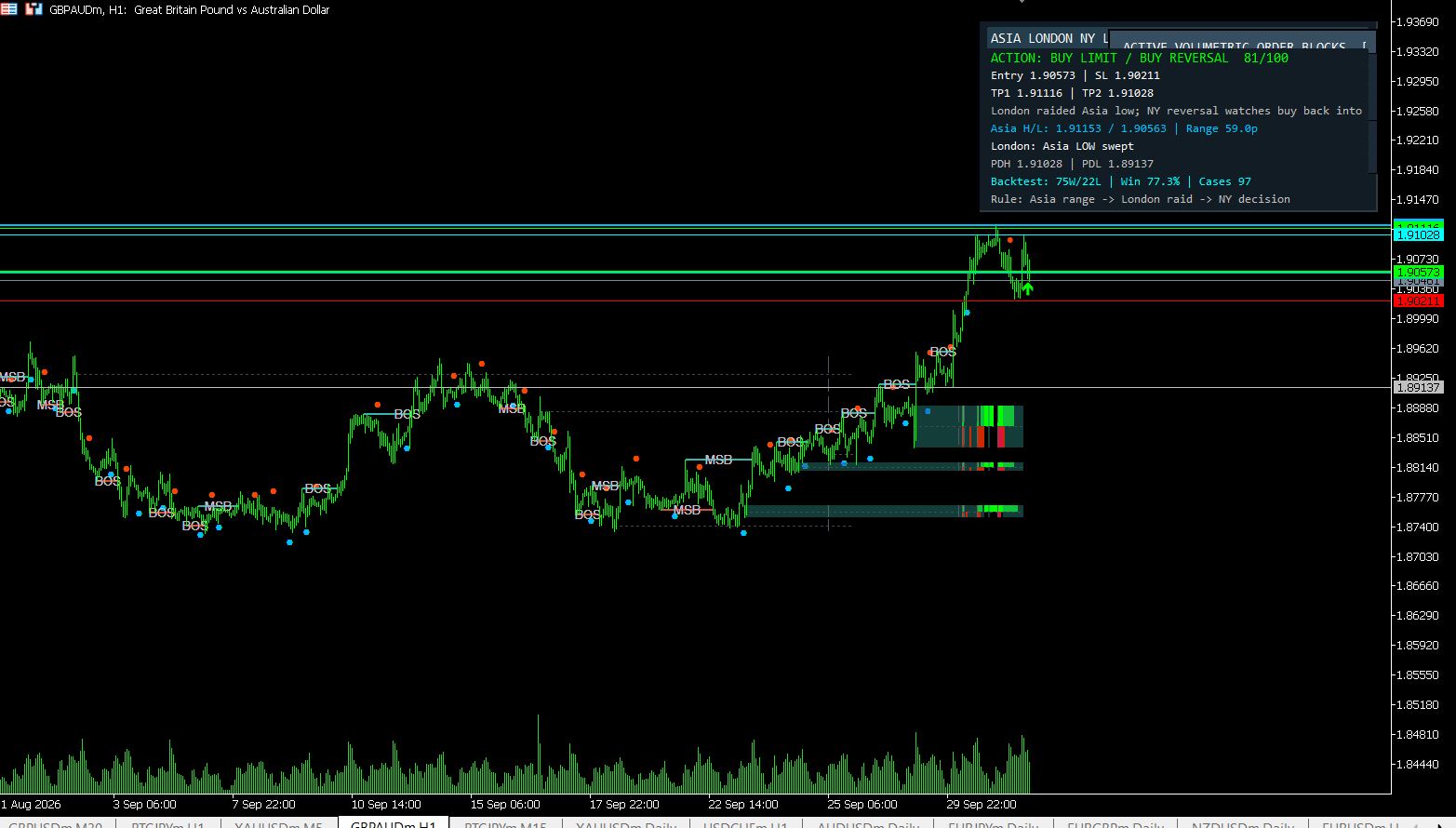
MT5 Asia London NY Liquidity Engine
Asia range, London raid and New York continuation/reversal planning with internal session backtest stats and entry/SL/TP dashboard.
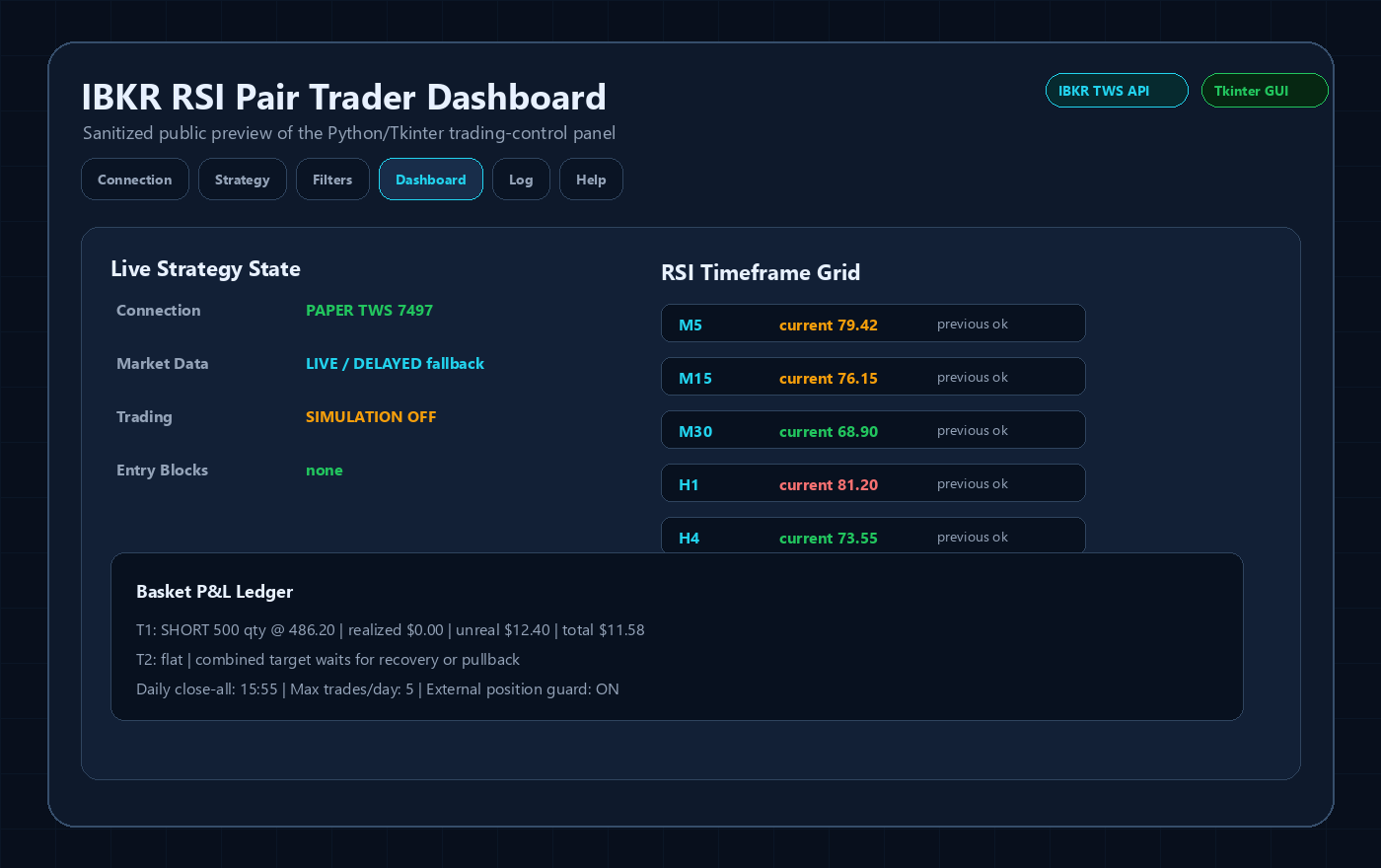
Interactive Brokers RSI Pair Trader
Tkinter desktop trading workflow, TWS API connection handling, RSI pair logic, risk controls and custom IBKR development positioning.
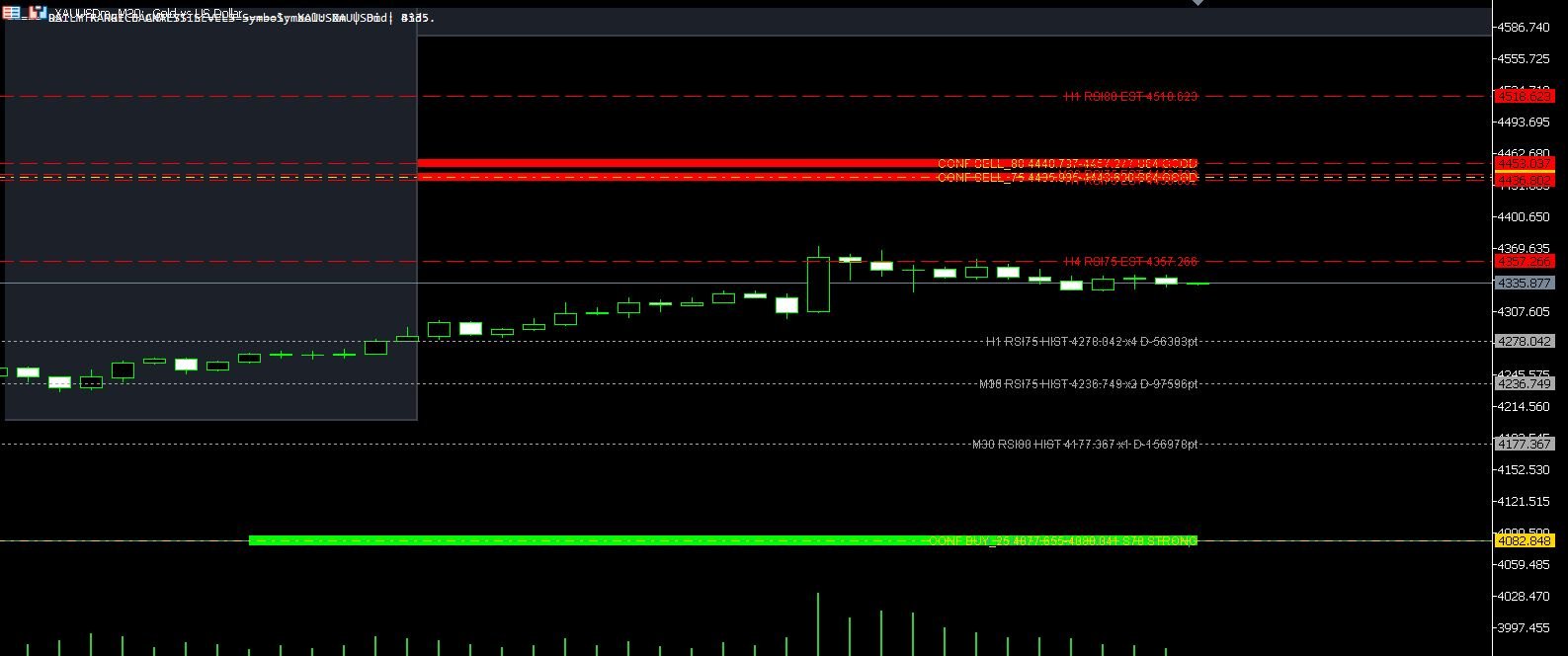
XAUUSD M30 CSV Data For Backtesting
Use clean MT5 historical data for Python backtests, strategy validation, spread checks and realistic gold EA research workflows.