Forex Trading Guidelines › Guideline 17
Profit Withdrawal & Scaling Rules: Keep What You Make
The Monthly Withdrawal Rule
Traders who never withdraw have a paper account, not an income. The withdrawal rule is simple: at the end of each month, withdraw the profits above your starting balance for that month. Three effects:
- Risk stays constant. The next month's risk % applies to the same base — the account cannot grow into a risk monster that loses "only 1%" of a huge number.
- Profit becomes real. Money in your bank is a decision already made; money in a trading account is still an open risk.
- Withdrawal discipline is tested early. If the broker makes withdrawal painful, you want to know in month one, not month twelve (Guideline 13's deposit protocol).
Compounding alternative: some traders reinvest 100% while the account is small ($500-2,000). That is a legitimate choice — just set the threshold: withdraw monthly once the account reaches X. The rule is the decision, written in advance.
The Halve-After-Drawdown Rule
| Equity change | Action | Why |
|---|---|---|
| -5% to -6% from peak | Halve position size (0.5% risk per trade) | You are in a losing streak or regime mismatch; cutting size stops the streak from compounding (Guideline 3) |
| Back within 2% of peak | Restore full size | Recovery proves the edge is back |
| -10% from peak | Stop trading; review strategy on demo | Below -10% the problem is likely the strategy-market fit, not luck |
This rule is why monitoring your caps matters: you cannot apply the halving rule to a loss you did not measure. Note the parallel with prop firms: most funded challenges are lost to one unprotected drawdown, never to the entry rules.
Scaling Up: The Level-Up Rule
- Earn the level. Scale up only after equity holds at +10% above the last level for at least one month (i.e. you did not immediately give it back).
- Scale in steps, not doubles. Increase risk by 0.5% per level (1% → 1.5% → 2%), never jump from 1% to 5%.
- Scale the base, not the method. The strategy, stops and checklist do not change — only the risk % (Guideline 1) and therefore the lots.
- Proof first. The 90% rule gates the first scale-up: 100+ journaled trades with positive expectancy (Guideline 12).
+10% equity held 1 month → 1.5% risk
+10% again held 1 month → 2.0% risk (ceiling)
Every -5% → back one level (halve)
Keep What You Make
FAQ
How often should I withdraw trading profits?
Monthly is the professional standard: withdraw profits above the month-start balance so the risk base stays constant. Set a written threshold if you prefer compounding while the account is small.
When should I increase my position size?
Only after the account holds +10% above the last level for a month, with 100+ journaled trades showing positive expectancy. Increase risk by 0.5% steps, never doubles.
What should I do after a 10% drawdown?
Stop trading and review: check the journal for rule breaks (Guideline 12), test the strategy on demo in the current regime, and return at reduced size only after the review finds a fixable cause.
Is it better to compound or withdraw profits?
Withdrawing converts gains into kept money and keeps risk constant; compounding grows the account faster but increases the absolute dollars at risk. The standard split: withdraw monthly above a written threshold; compound while the account is below it.
Choose the next useful step
Most visitors arrive with one question: build, test, price, or trust. These shortcuts keep the path practical.
Go deeper before you build, download or automate
Hand-picked engineering articles, indicator breakdowns and trading-system tools so visitors keep exploring instead of leaving after one page.
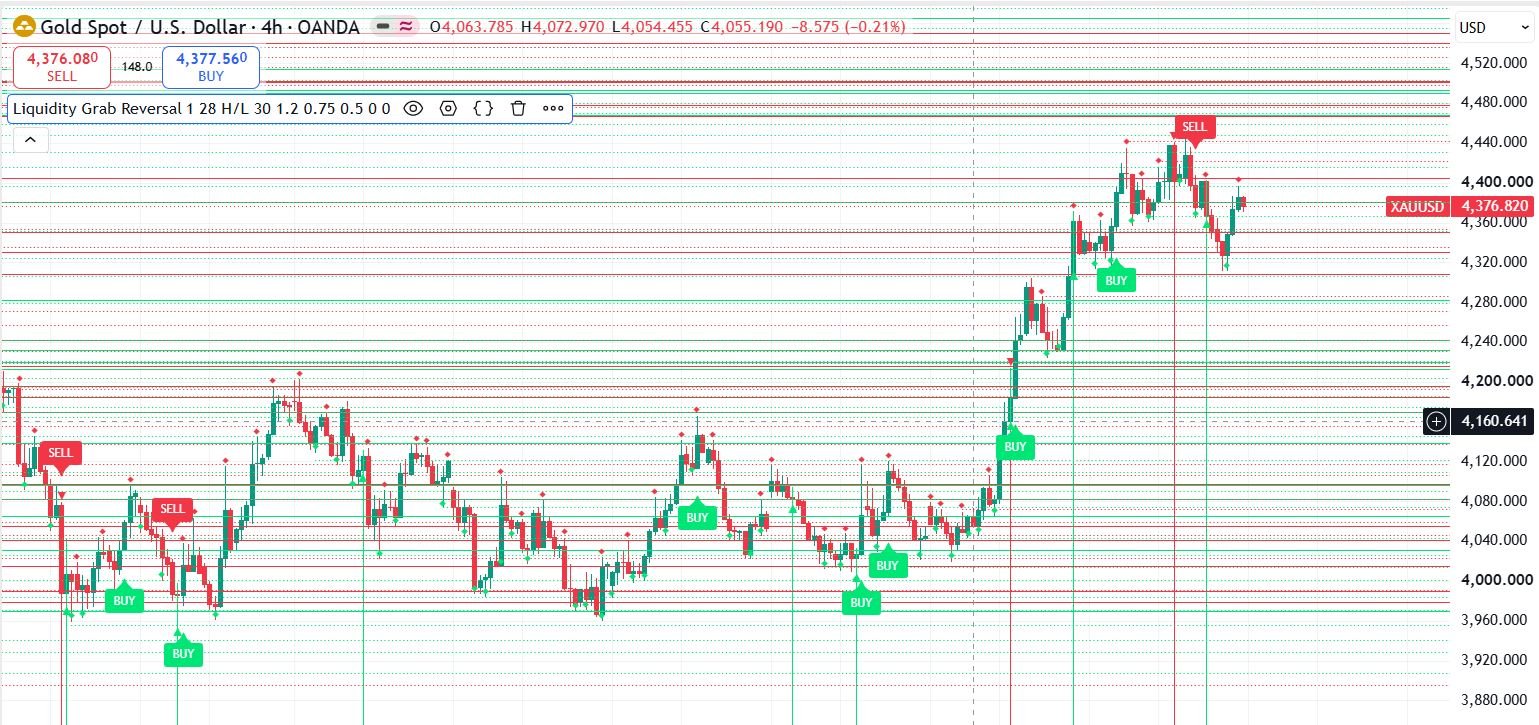
Pine Script to MT4/MT5 Conversion Planner
Analyze Pine strategies, repainting risk, TradingView alert bridges, MTF synchronization and the correct MQL4/MQL5 build path before paying for conversion.
Open planner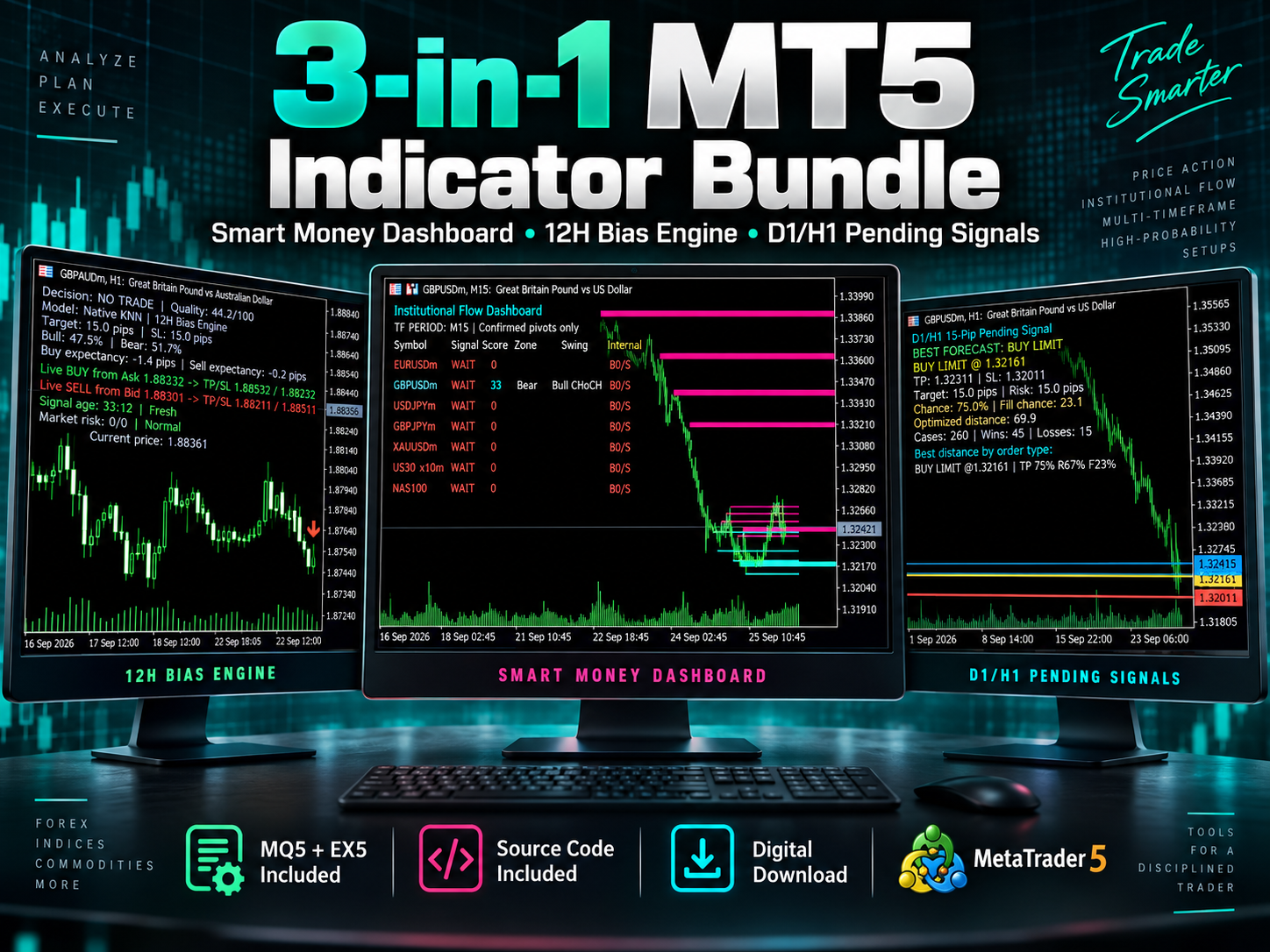
3-in-1 MT5 Indicator Bundle
12H Bias Engine, Smart Money Institutional Flow Dashboard and D1/H1 pending-signal logic with MQ5 + EX5 source included via Etsy.
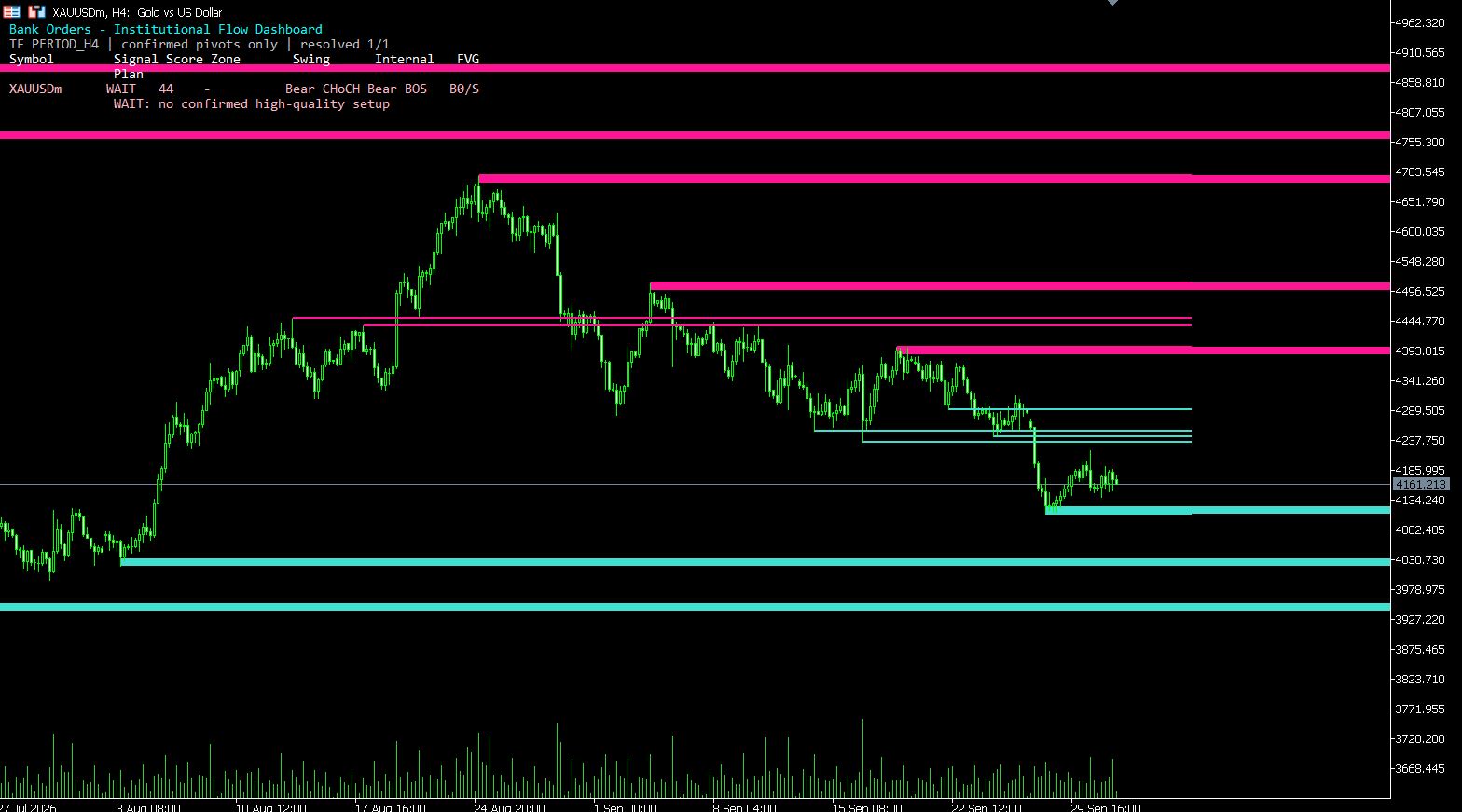
MT5 Bank Orders Institutional Flow Dashboard
Supply/demand zones, BOS/CHoCH, liquidity levels, FVG, equal highs/lows and confirmed trade-plan logic explained with EX5 download.
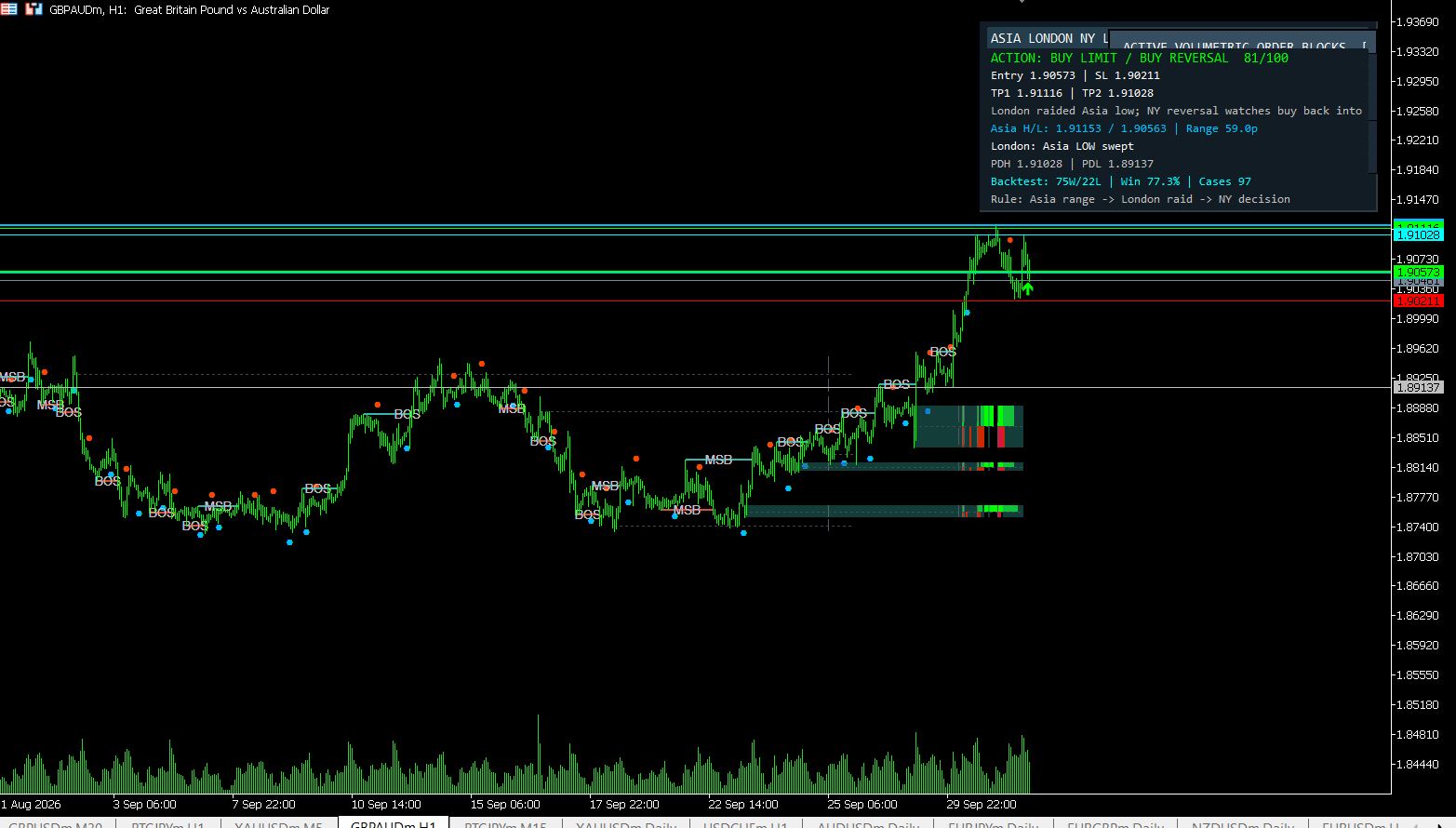
MT5 Asia London NY Liquidity Engine
Asia range, London raid and New York continuation/reversal planning with internal session backtest stats and entry/SL/TP dashboard.
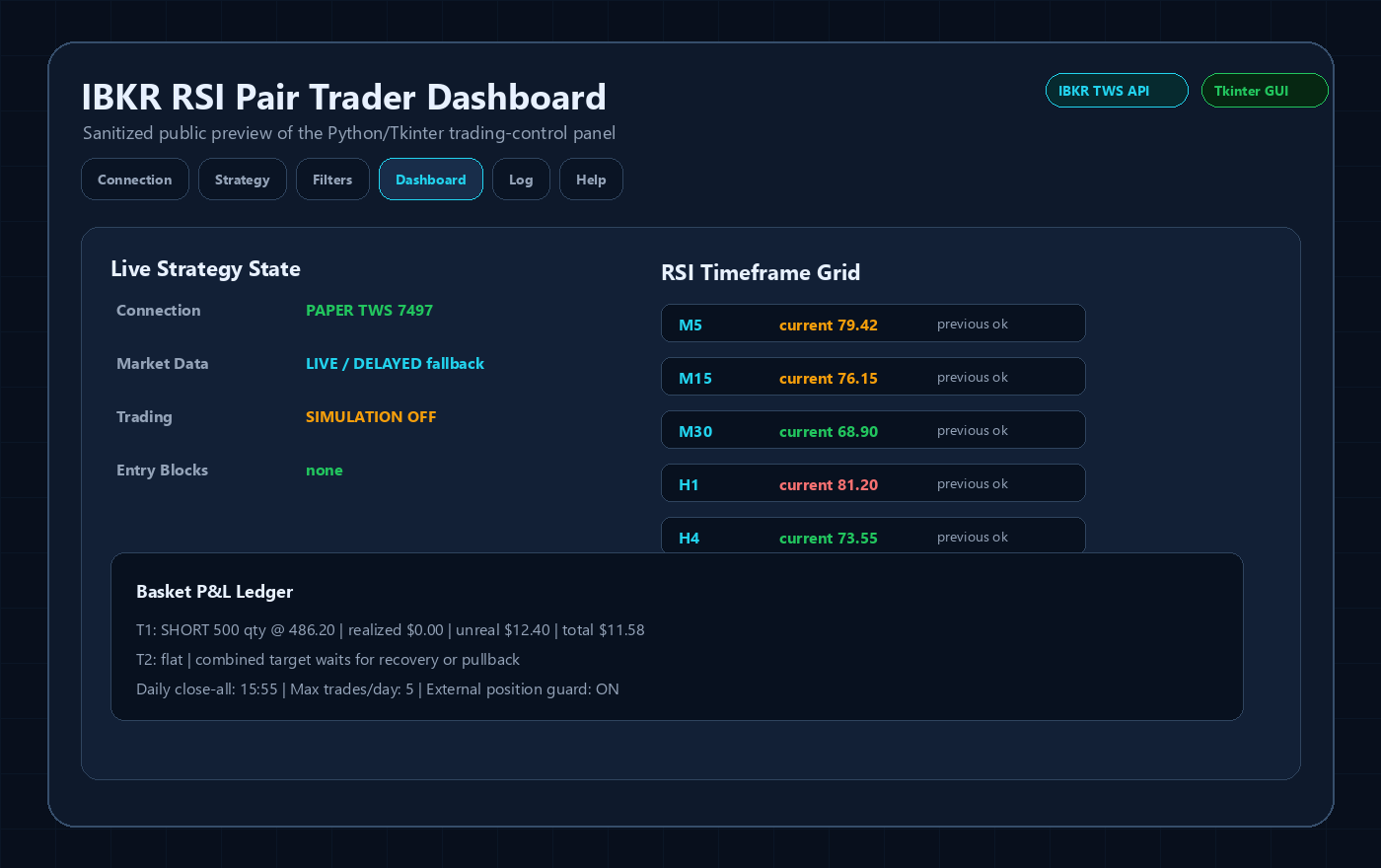
Interactive Brokers RSI Pair Trader
Tkinter desktop trading workflow, TWS API connection handling, RSI pair logic, risk controls and custom IBKR development positioning.
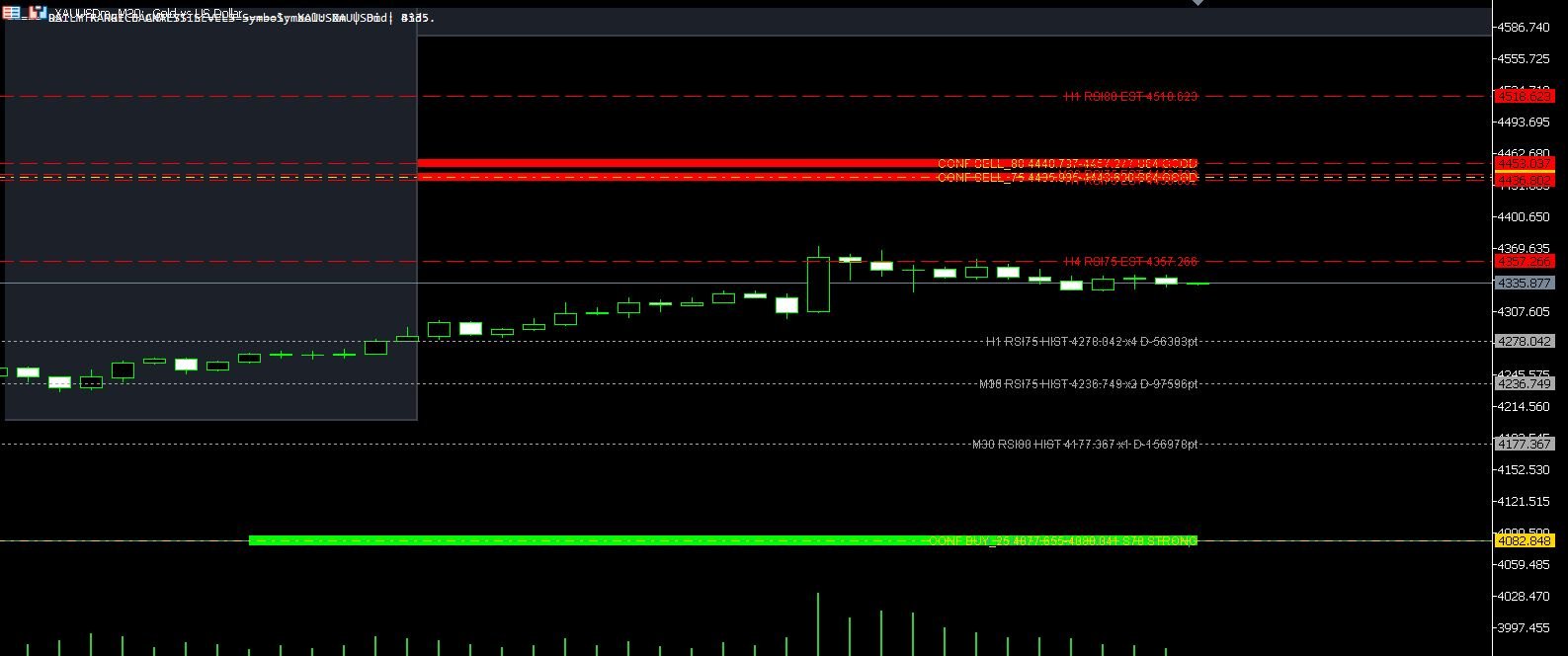
XAUUSD M30 CSV Data For Backtesting
Use clean MT5 historical data for Python backtests, strategy validation, spread checks and realistic gold EA research workflows.