XAUUSD Buy the Dip Strategy: Gold-Specific Pullback Rules
Gold needs its own contract: absolute price units, broker specifications, event windows, session behavior and volatility-aware position sizing.
Quick answer
A gold dip setup should begin with higher-timeframe XAUUSD structure, normalize the pullback with ATR or recent range, require a predeclared support or breakout-retest location, and confirm recovery on a completed bar. Size in account currency from the actual broker contract. Disable entries around unmodeled macro events, abnormal spreads and volatility shocks.
A gold-specific dip-buying contract
These are research inputs, not universal settings. Test them on the broker symbol, session and cost structure you expect to trade.
| Decision | Testable rule | Why it matters |
|---|---|---|
| Contract identity | Record broker symbol, digits, tick size, tick value, contract size and account currency. | XAUUSD specifications vary and pip terminology is inconsistent. |
| Higher-timeframe regime | Use H4 or daily structure declared before examining the entry chart. | Gold can reverse sharply when a local pullback is actually a regime change. |
| Depth | Measure decline in absolute dollars and ATR units. | Both values are needed for interpretation and monetary risk. |
| Location | Prior breakout, accepted support or higher-timeframe swing zone. | A low RSI value away from structure is not a location rule. |
| Session | Name the permitted session and how boundaries use timezone and daylight changes. | Liquidity and spread behavior differ across the trading day. |
| Event filter | Block declared windows around high-impact macro releases unless explicitly tested. | Gold can gap or reprice faster than normal stop assumptions. |
| Spread guard | Reject entry above a tested spread in price units. | Wide spread distorts entry, stop distance and reward. |
| Account risk | Size from actual tick value and stop, with daily and portfolio caps. | Fixed lots create inconsistent risk as volatility changes. |
Use gold price units instead of ambiguous pips
Traders use the word pip differently for gold. One broker may quote two decimals, another three, and communities may call a ten-cent or one-dollar move by the same informal name. Write the setup in absolute XAUUSD price distance, ticks and account-currency loss. The EA can then query the broker symbol and convert the approved risk correctly.
For example, define the pullback as a decline of a tested ATR fraction from a completed reference high, while also recording the dollar distance. Define spread, stop and target in the same units. This removes a common source of backtest-to-live disagreement and makes broker comparisons possible.
Gold structure should lead the lower-timeframe trigger
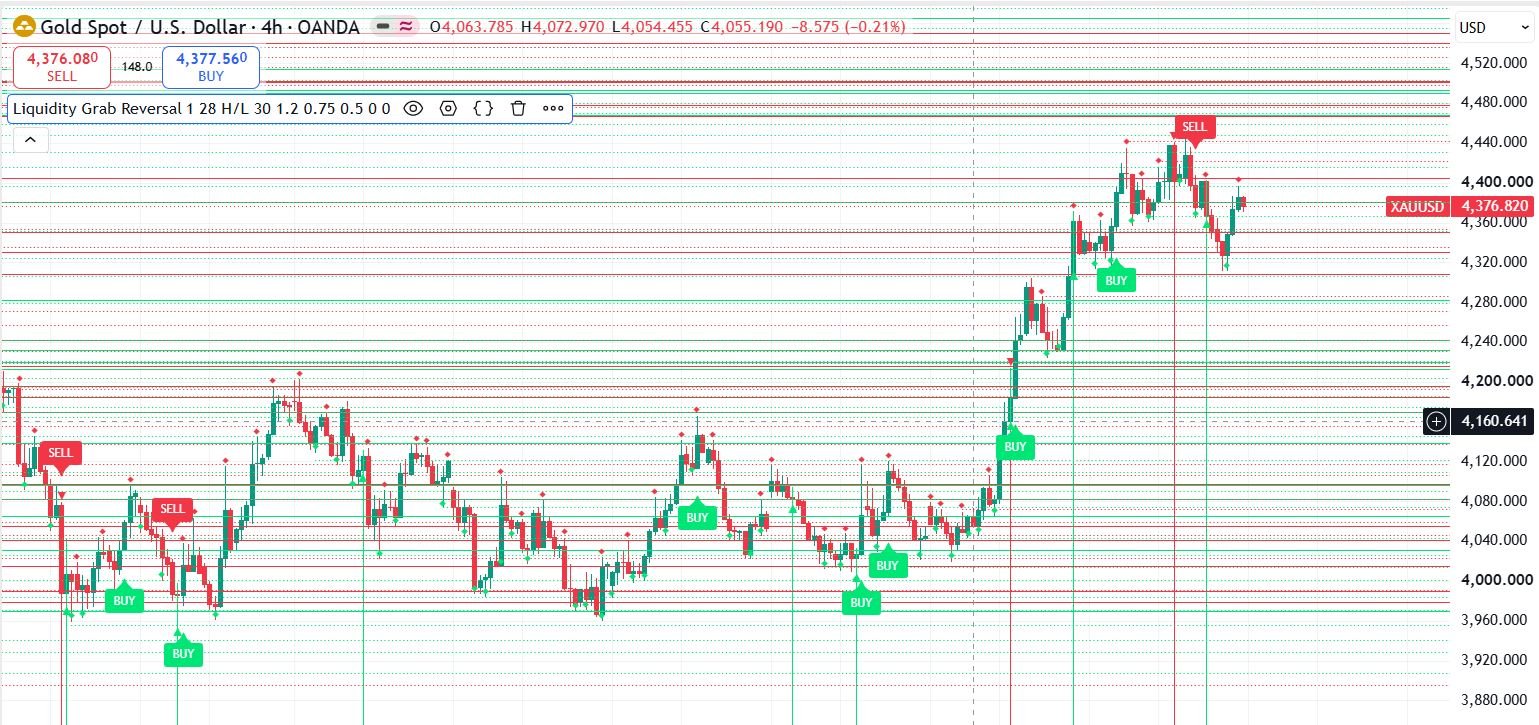
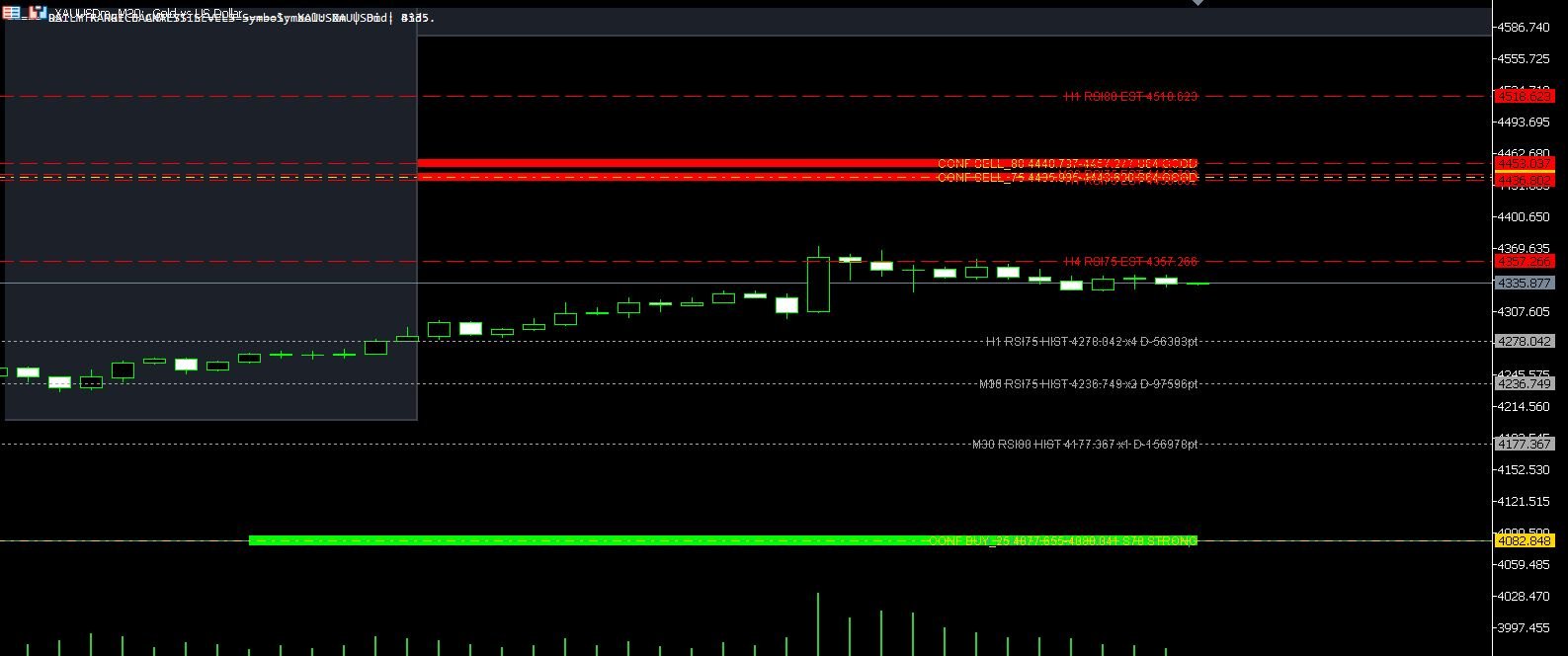
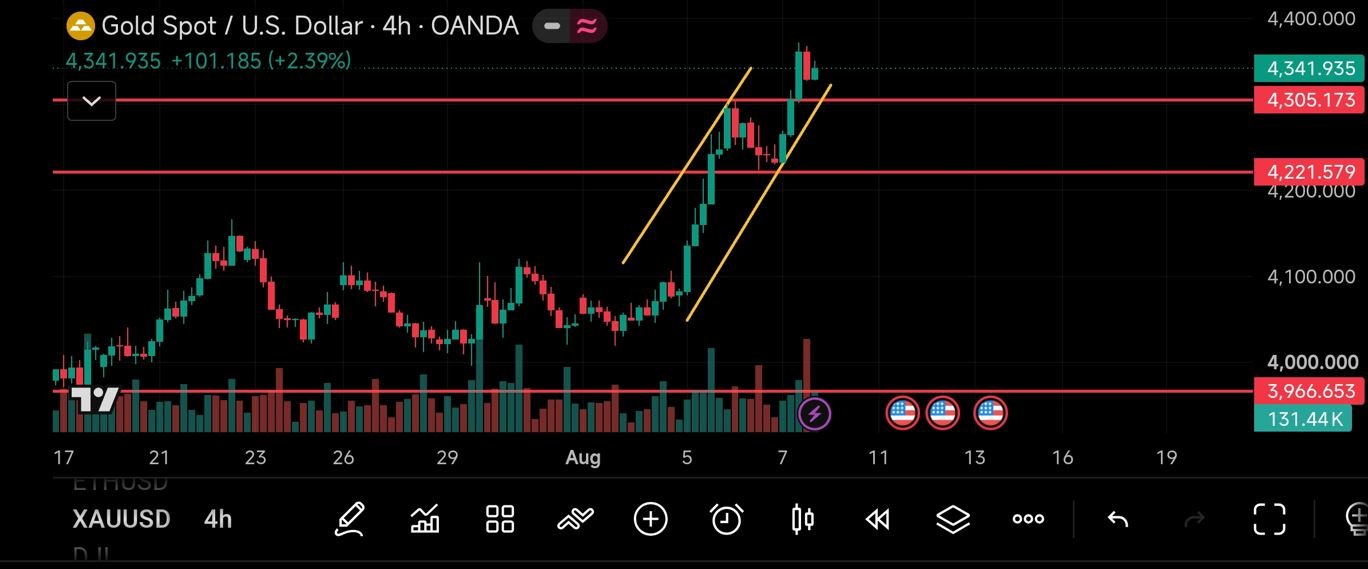
A one-hour bullish candle can appear inside a daily downtrend. Establish the higher-timeframe state first: recent swing sequence, accepted breakout level and whether the latest completed close preserves the thesis. Only then use the lower timeframe to measure a pullback and wait for stabilization.
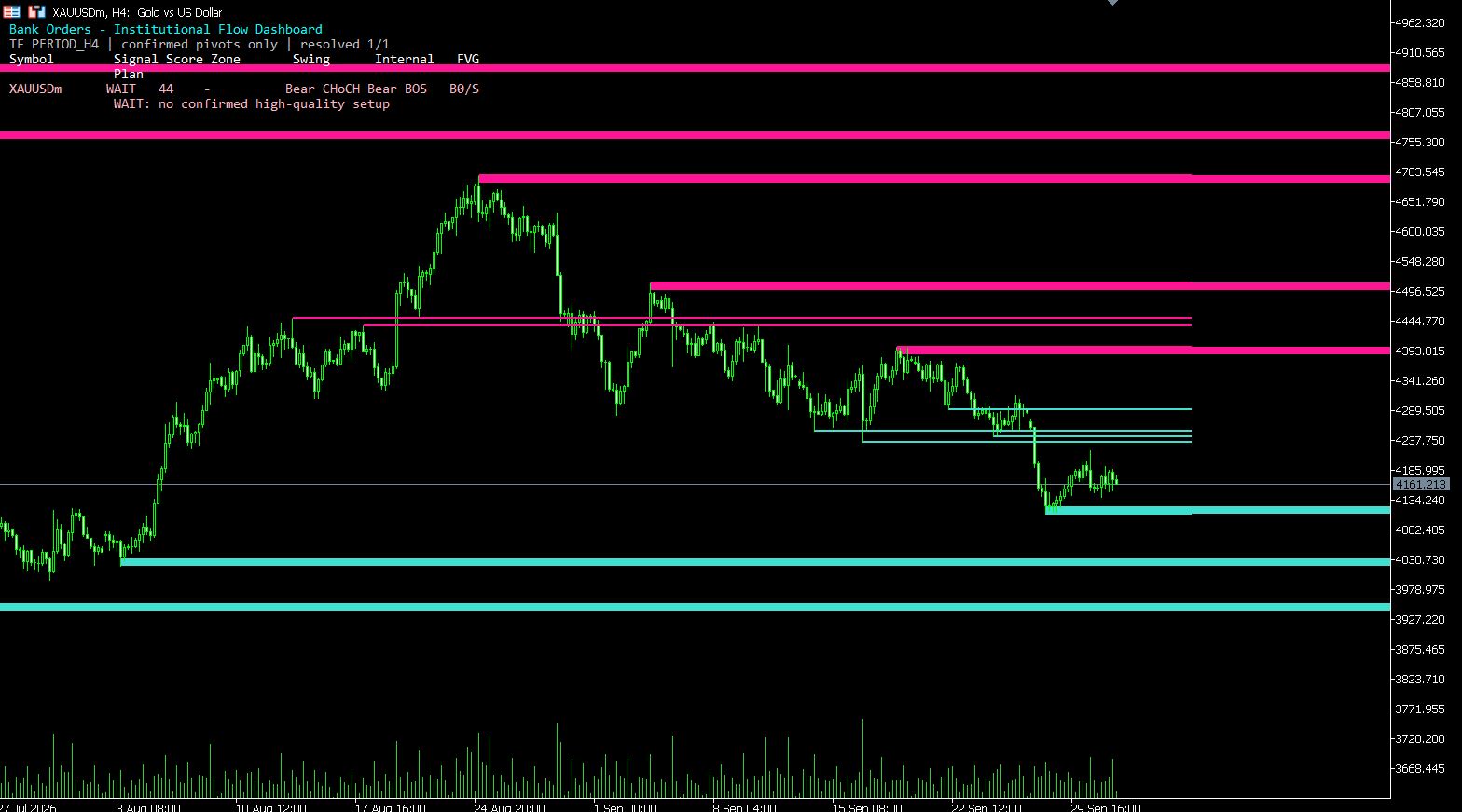
The location can be a prior breakout that has not yet been accepted below, an H4 swing zone or a value area defined without future bars. Draw the zone mechanically and record its width. A zone expanded after price turns is hindsight, not a testable input.
- Declare the higher-timeframe swing algorithm and confirmation delay.
- Record whether the entry is the first retest or a later revisit.
- Reject the setup after completed acceptance below the structural boundary.
Sessions affect liquidity, not just opportunity count
Gold trades across the day, but participation and spread are not constant. A session filter should state its timezone, daylight-saving behavior and whether positions may remain open outside the entry window. Test Asian, London and New York periods separately rather than assuming one popular session is superior.
The overlap around major US data can produce both clean continuation and violent repricing. A strategy that relies on a closed-bar reclaim may fill far from its theoretical price during fast conditions. Include spread and slippage by session, and reject a session advantage that disappears under realistic costs.
Macro events can invalidate normal-volatility assumptions
Inflation releases, labor data, central-bank decisions and unexpected geopolitical news can change gold's range and correlations. A simple event filter does not predict direction. It states that the strategy was not designed to interpret the first repricing phase and will wait until the declared blackout and stabilization conditions pass.
If an EA depends on a calendar source, define what happens when the source fails or an event changes time. Fail-closed behavior is safer than interpreting missing data as no event. Unscheduled news cannot be completely filtered, which is why gap and slippage stress remain necessary.
Prop-firm constraints change the objective
A strategy can be profitable over a long sample yet violate a daily-loss or maximum-drawdown rule during one gold shock. Model the specific account rules separately from the market edge. Include floating-loss treatment, reset timezone, restricted-event rules, consistency conditions and the consequence of holding through market close.
Use the gold lot size calculator and prop-firm calculator to inspect single-trade and daily capacity. The EA should stop opening positions before the platform or firm boundary is reached, with a buffer for slippage and existing exposure.
Test gold across regimes, sessions and broker costs
A single XAUUSD backtest can hide changing contract data and concentrated event profits. Segment results before deciding that the dip logic is portable.
| Test | Record | Reject the idea when |
|---|---|---|
| Broker specification | Tick value, digits, spread and stop constraints used by the test. | Results rely on a different contract from deployment. |
| Session analysis | Trade count, expectancy and slippage by session. | One apparent edge is caused by unrealistic fill assumptions. |
| Event segmentation | Scheduled-event proximity and post-event stabilization. | Most profit or loss comes from unmodeled news bars. |
| Volatility buckets | ATR percentile, gap size and pullback depth. | Normal settings fail when gold changes range. |
| Prop-rule simulation | Daily loss, total drawdown and reset timezone. | The equity curve passes but account rules fail. |
Frequently asked questions
What is a good dip size for XAUUSD?
There is no universal dollar amount. Measure depth in both absolute gold price units and ATR, then test ranges on the intended broker and timeframe.
Which timeframe is best for buying gold pullbacks?
A common design uses daily or H4 context and H1 or lower confirmation, but the combination must be tested with realistic costs. The best timeframe depends on holding period and execution.
Should an XAUUSD dip strategy trade during news?
Only if news conditions and execution were explicitly modeled. Otherwise use a declared blackout and retain slippage protection because unscheduled events remain possible.
Can fixed lot size work for gold?
It produces changing monetary risk as stop distance and contract specifications change. Risk-based sizing is easier to control and audit.
Continue through the buy-the-dip cluster
Use the pillar as the central definition, then move to the page that matches the decision you are trying to formalize.
Technical references
Build the gold-specific protections into the EA
AlgoSpecial develops XAUUSD systems with broker-aware price units, spread and session filters, event controls, structural stops and account-level limits.
Explore gold EA developmentEducational research only. A dip-buying rule can lose money, fail in a new regime, gap through a stop, or behave differently across brokers and instruments. Backtests are hypothetical and must include realistic costs. MetaTrader, MT5, TradingView and other product names are used descriptively; their owners retain associated trademarks. AlgoSpecial is not affiliated with or endorsed by those owners.