BBFP EA Low Risk vs High Risk Set Files
Both presets trade the same session-box breakout logic. The difference is exposure: LOW_DD protects capital and restricts trading to S1; HIGH_RISK allows more sessions, more grid levels and larger positions.
Side-by-side comparison
| Setting | LOW_DD | HIGH_RISK | Effect |
|---|---|---|---|
| Initial risk | 0.25% | 1.00% | LOW_DD risks $25 on a $10,000 account; HIGH_RISK risks $100. |
| Max basket risk | 0.75% | 3.00% | Maximum modeled risk at the shared grid stop is $75 vs $300. |
| Grid levels | 2 | 4 | LOW_DD allows one grid addition; HIGH_RISK allows three. |
| Grid spacing | 1.0 ATR / 12 pips | 0.60 ATR / 8 pips | HIGH_RISK adds entries more often, increasing exposure. |
| Sessions | S1 only | S1 + S2 | LOW_DD avoids the weaker S2 sample; HIGH_RISK seeks more trades. |
| Max daily trades | 1 | 3 | LOW_DD is more selective. |
| Daily loss stop | 1% | 4% | LOW_DD stops earlier; HIGH_RISK tolerates more daily equity movement. |
| Max spread | 2.5 pips | 3.5 pips | LOW_DD is stricter about execution cost. |
| Target | 0.8 × box range | 1.2 × box range | LOW_DD targets faster; HIGH_RISK aims for larger moves. |
| Min / max RR | 3 / 5 | 2 / 8 | LOW_DD demands more reward per unit of risk. |
Which profile should you use?
Start with LOW_DD. It is the correct choice for a first forward test, a small account, or a prop-style risk framework. It trades less, disables S2, uses a lower risk percentage and caps the basket at 0.75% of equity.
Use HIGH_RISK only after independent testing. It keeps both session boxes, allows four total positions and increases the basket-risk ceiling to 3%. That is not a free upgrade; the extra entries and wider daily loss allowance increase the chance of a large drawdown.
Neither file is a guarantee. The supplied Strategy Tester screenshot is a short sample, not proof of future profit. Always include your broker's real spread, commission, swap and slippage in the test.
Why the low-risk file disables Session 2
Session 1 covers 23:00–06:00 GMT. Session 2 covers 06:00–13:00 GMT. In the XAUUSD M15 data used for the presets, S1 breakouts showed better follow-through than S2. LOW_DD therefore trades S1 only. HIGH_RISK keeps both sessions for more opportunity, but it accepts the weaker S2 sample and more daily exposure.
This is a data-informed choice, not a permanent rule. If your broker's session behavior differs, test both settings separately and compare the trade list, not just the final balance.
Risk math example
Assume a $10,000 account and a 100-pip XAUUSD stop. One pip is $0.10, so the stop is $10.00 per ounce-price unit. The EA converts that distance and the symbol's tick value into lot size.
- LOW_DD: $10,000 × 0.25% = $25 initial risk. Maximum basket risk = $75.
- HIGH_RISK: $10,000 × 1.00% = $100 initial risk. Maximum basket risk = $300.
If the shared stop is hit, the basket can lose up to the modeled cap before slippage and gaps. A gap through the stop can exceed the modeled amount. This is why the EA closes before weekends by default.
Risk profile FAQ
Can I use HIGH_RISK on a small account?
It is not recommended. Use LOW_DD first and verify lot sizing with your broker's minimum volume and tick value.
Can I increase the grid lot multiplier?
Do not use it as martingale recovery. Keep it at 1.0 unless you have independently tested the drawdown consequences.
Which file is included in the ZIP?
Both BBFP_LOW_DD.set and BBFP_HIGH_RISK.set, plus both tester INI files.
Choose the next useful step
Most visitors arrive with one question: build, test, price, or trust. These shortcuts keep the path practical.
Go deeper before you build, download or automate
Hand-picked engineering articles, indicator breakdowns and trading-system tools so visitors keep exploring instead of leaving after one page.
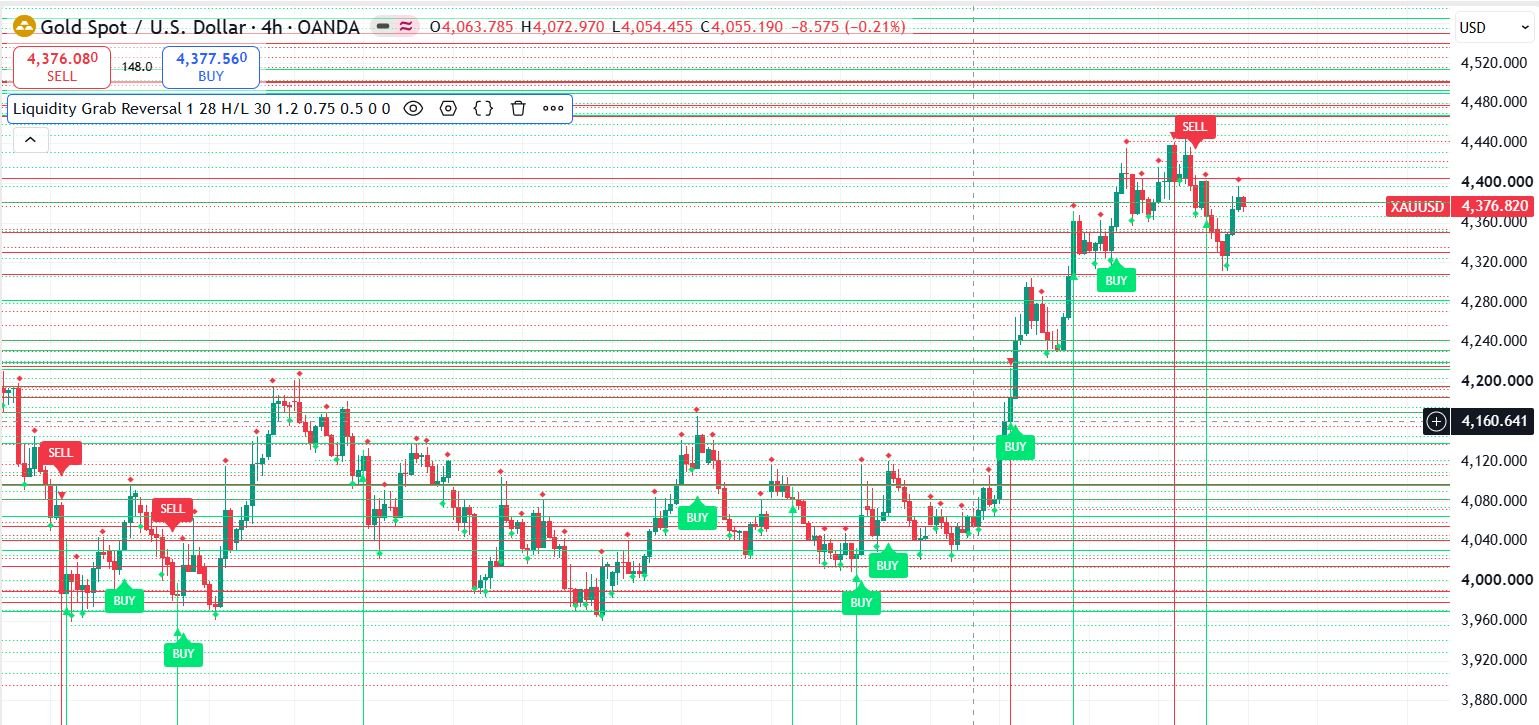
Pine Script to MT4/MT5 Conversion Planner
Analyze Pine strategies, repainting risk, TradingView alert bridges, MTF synchronization and the correct MQL4/MQL5 build path before paying for conversion.
Open planner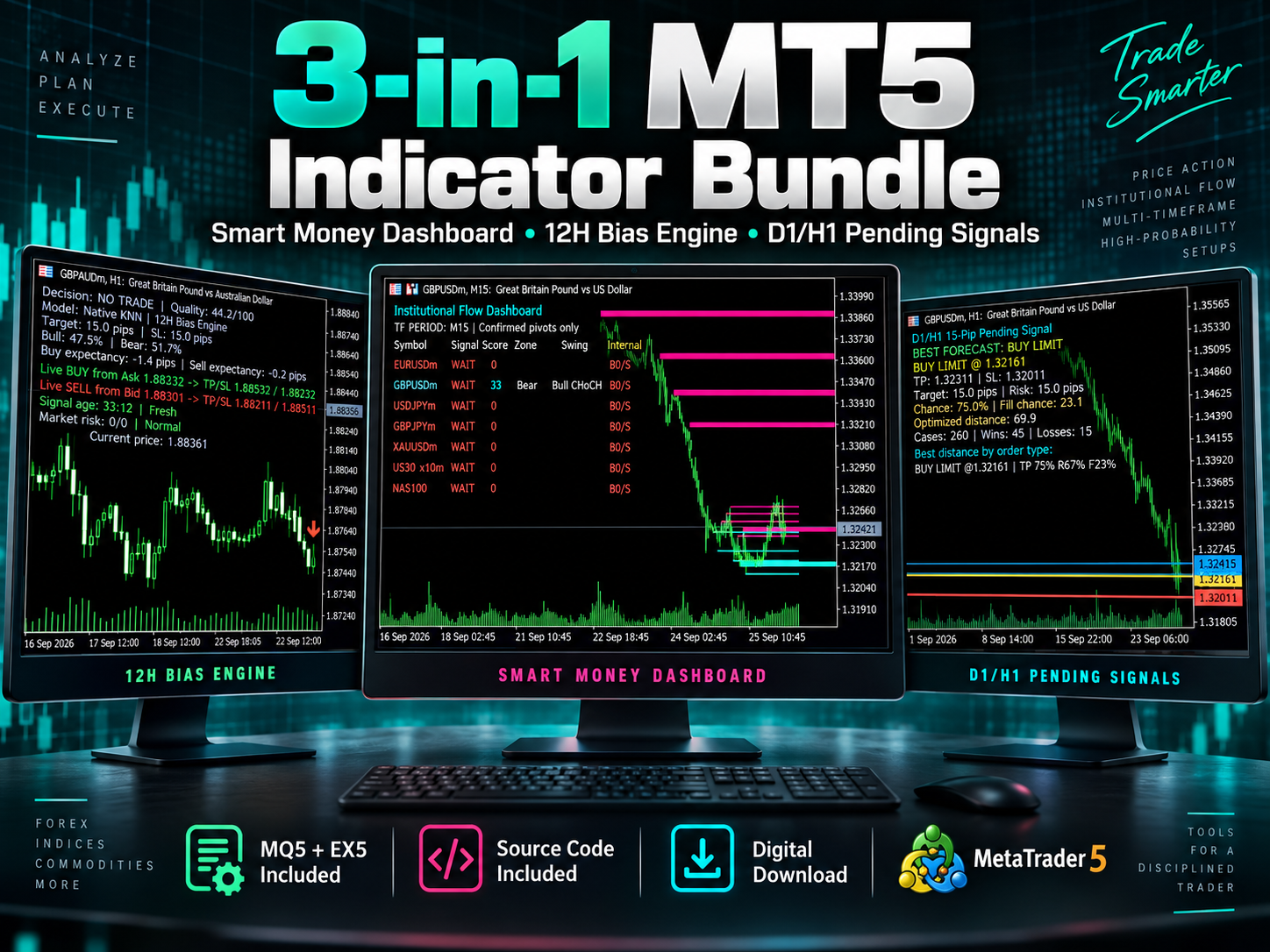
3-in-1 MT5 Indicator Bundle
12H Bias Engine, Smart Money Institutional Flow Dashboard and D1/H1 pending-signal logic with MQ5 + EX5 source included via Etsy.
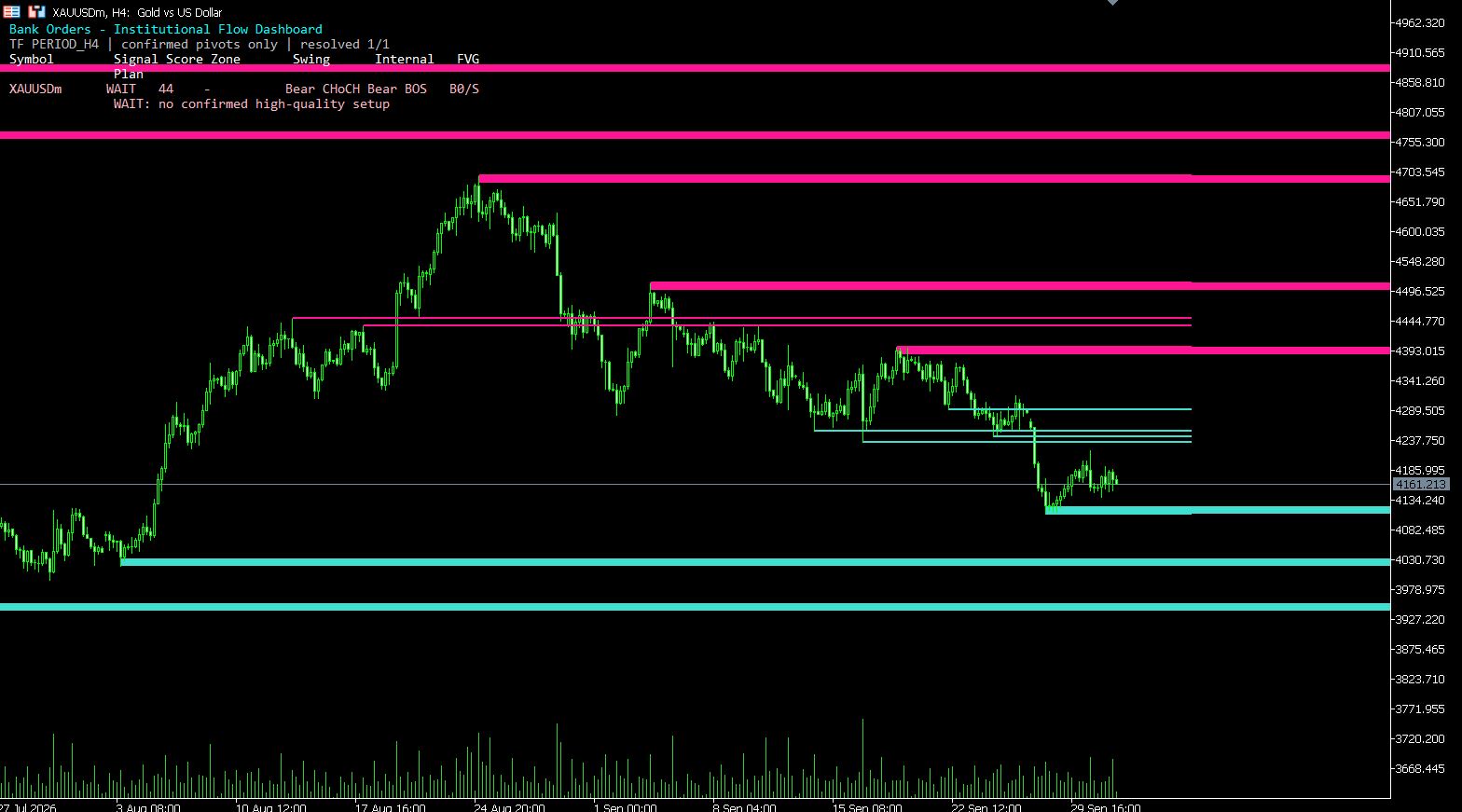
MT5 Bank Orders Institutional Flow Dashboard
Supply/demand zones, BOS/CHoCH, liquidity levels, FVG, equal highs/lows and confirmed trade-plan logic explained with EX5 download.
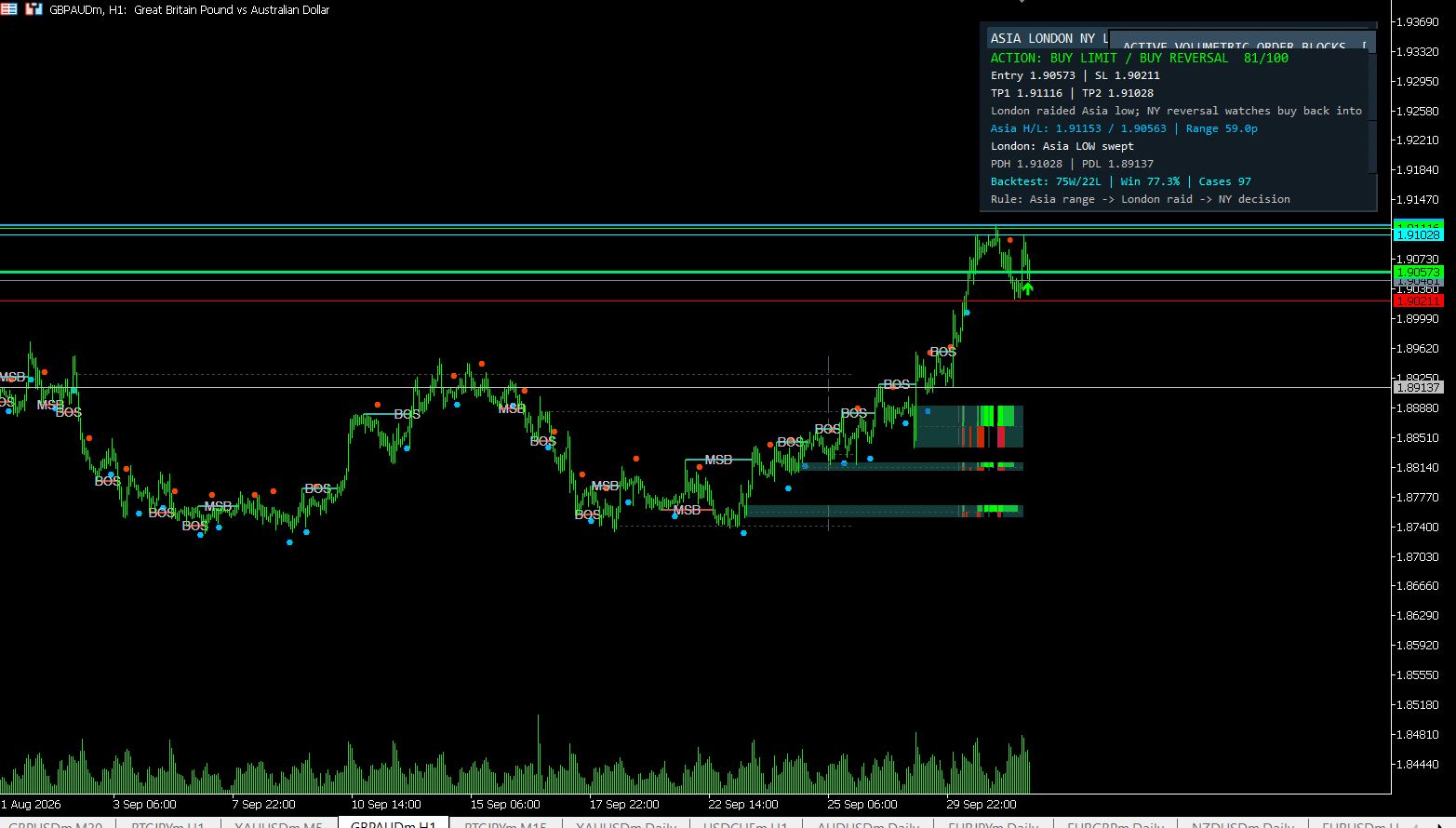
MT5 Asia London NY Liquidity Engine
Asia range, London raid and New York continuation/reversal planning with internal session backtest stats and entry/SL/TP dashboard.
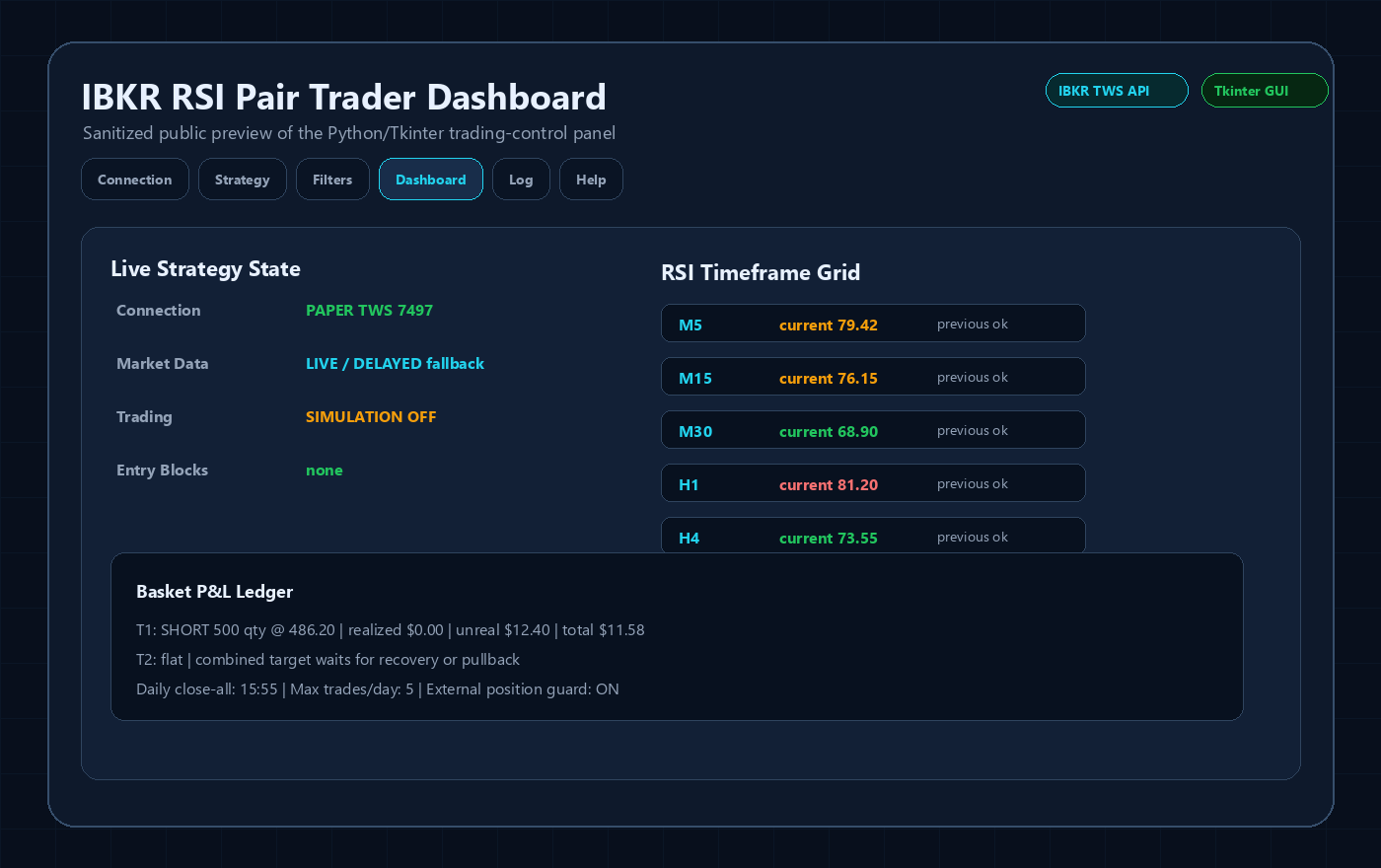
Interactive Brokers RSI Pair Trader
Tkinter desktop trading workflow, TWS API connection handling, RSI pair logic, risk controls and custom IBKR development positioning.
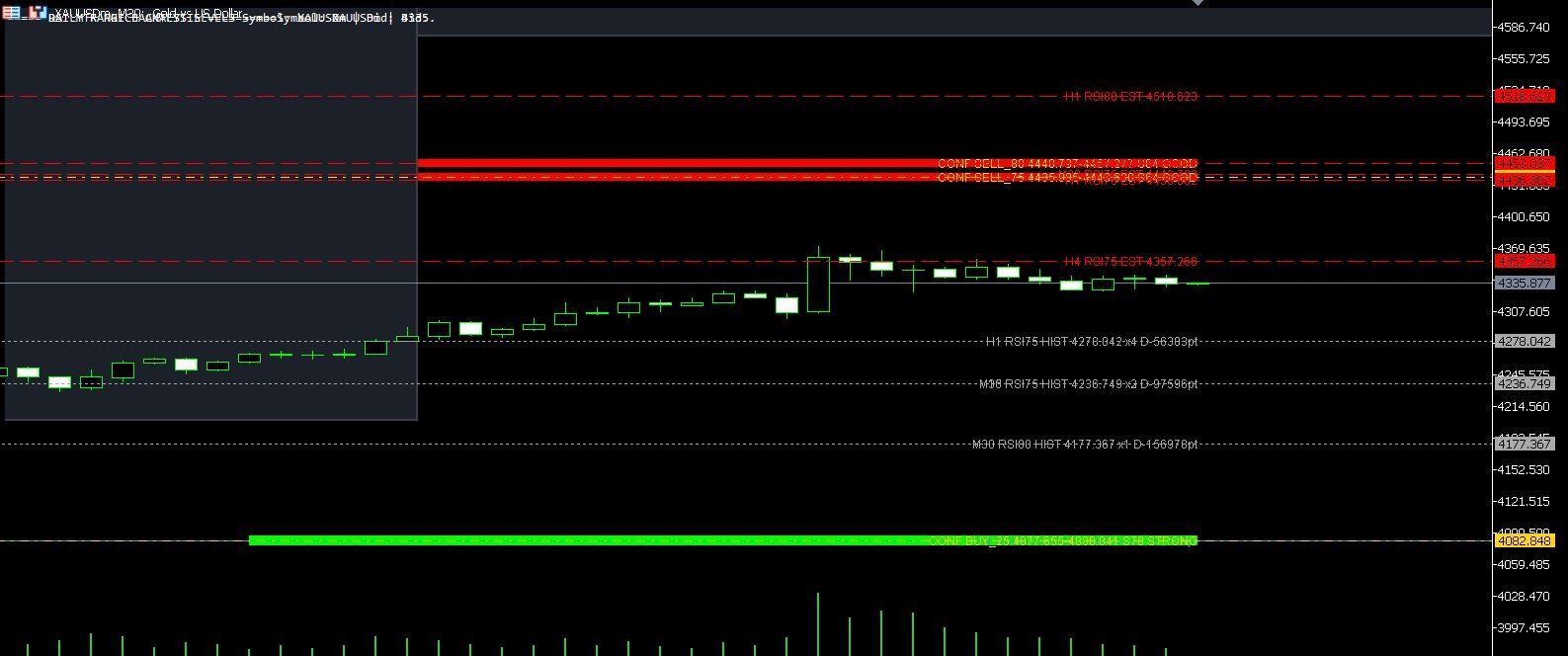
XAUUSD M30 CSV Data For Backtesting
Use clean MT5 historical data for Python backtests, strategy validation, spread checks and realistic gold EA research workflows.